

TL;DR:
- Recovering naturally after chemotherapy involves integrating evidence-based nutrition, gentle movement, and mindfulness practices to support bodily healing. It requires consulting your oncologist before adding supplements or therapies to ensure safety and personalized care. Consistent tracking of symptoms and progress helps tailor an effective recovery plan to restore energy, reduce side effects, and improve overall wellbeing.
Finishing chemotherapy is a milestone worth celebrating. But for most survivors, the days and weeks that follow bring a new set of challenges: exhaustion that sleep doesn’t fix, taste changes that make eating feel foreign, and an emotional weight that nobody warned you about. Learning how to recover from chemo naturally is not about replacing your medical team’s guidance. It’s about giving your body every possible advantage as it rebuilds. This guide walks you through practical, evidence-backed strategies to restore your energy, soothe lingering side effects, and reclaim your sense of wellbeing.
Key Takeaways
| Point | Details |
|---|---|
| Consult your oncologist first | Always discuss supplements and therapies with your care team before starting anything new. |
| Nutrition accelerates healing | Anti-nausea foods, proper hydration, and targeted supplements meaningfully reduce post-chemo side effects. |
| Movement matters more than you think | Even gentle exercise reduces fatigue and speeds up physical recovery after chemotherapy. |
| Integrative therapies have real evidence | Acupuncture, mindfulness, and TCM-based practices show measurable benefits for chemo survivors. |
| Track everything to improve faster | A daily symptom journal gives you and your care team the data needed to personalize your recovery. |
Before you start any natural recovery method
The single most important step you can take before adding any supplement or natural therapy is a direct conversation with your oncologist or primary care provider. This is not a formality. Some natural compounds genuinely interfere with how your body processes medications. Certain supplements like St. John’s Wort or high-dose antioxidants can alter drug metabolism in ways that affect your ongoing care.
Understanding the difference between complementary and alternative medicine matters here. Complementary therapies work alongside your conventional treatment to manage symptoms and improve quality of life. Alternative medicine, by contrast, attempts to replace standard care entirely and carries real safety risks. Everything in this guide falls into the complementary category.
Before you begin, consider taking these preparatory steps:
-
Schedule a post-chemo health review with your oncologist, covering current medications and any supplements you are considering.
-
Create a baseline symptom log documenting your current fatigue levels, digestive symptoms, sleep quality, and mood.
-
Set realistic recovery goals. Most survivors experience gradual improvement over weeks to months, not days.
-
Research supplement interactions using your care team’s resources or a pharmacist who specializes in oncology.
-
Check your functional health markers through lab testing to understand exactly what your body needs most right now.
Pro Tip: Ask your oncologist for a referral to an integrative oncology specialist. These physicians are trained in both conventional cancer care and evidence-based natural therapies, so they can help you build a recovery plan that is both safe and effective.
Nutrition for chemo recovery
Food is one of the most powerful tools you have to restore your body after chemotherapy. The challenge is that chemo often leaves you with nausea, taste changes, mouth sores, and appetite loss. Working with those symptoms rather than against them is the practical approach that actually moves the needle.
Hydration during chemotherapy and in the weeks following treatment alleviates side effects and supports your body’s natural detoxification processes. Water is your starting point, but electrolyte-rich broths and coconut water help replace minerals that chemotherapy depletes. Aim for at least eight cups of fluid daily, more if you are managing diarrhea or excessive sweating.
For nausea and taste changes, small adjustments make a meaningful difference. Eating food at room temperature and using plastic utensils reduces the metallic taste many chemo patients experience, because cold or metal-adjacent stimuli tend to amplify that effect. Ginger tea, ginger chews, and peppermint are well-supported options for calming nausea.
Here is a quick reference for foods and supplements that support natural healing after chemotherapy:
| Goal | Food or Supplement | Why It Helps |
|---|---|---|
| Reduce nausea | Ginger, peppermint, room-temp foods | Calms digestive inflammation and sensory triggers |
| Restore taste | Zinc supplementation | Chemo depletes zinc, which governs taste perception |
| Rebuild energy | Lean proteins, complex carbs | Fuel cellular repair and stamina restoration |
| Support detox | Cruciferous vegetables, beets | Activate liver enzymes that clear treatment residue |
| Reduce fatigue | B vitamins, magnesium | Support mitochondrial function and nerve health |
Short-term fasting is worth discussing with your oncologist. Dietary restriction, specifically around 200 calories per day from vegetable broths before and after chemo cycles, has shown improvements in quality of life and reduced fatigue in breast cancer patients. This is not something to attempt without medical supervision, but it illustrates how strategic eating patterns carry real therapeutic weight.
Pro Tip: If solid food feels impossible, focus on nutrient-dense liquids first: bone broth, smoothies with protein powder, and vegetable soups. Getting calories and micronutrients in any form is more valuable than pushing yourself to eat meals you cannot tolerate.
Healthspan Holistic’s article on holistic supplements for wellness covers additional micronutrient strategies worth exploring as you rebuild your nutritional baseline.
Integrative therapies that speed recovery
Natural healing after chemotherapy goes beyond what you eat. Your body needs physical movement, nervous system support, and practices that restore your emotional center. The good news is that the research on integrative therapies for cancer survivors has grown significantly, and the results are genuinely encouraging.

Movement and exercise
Exercise is one of the most counterintuitive recovery tools for people who feel exhausted after chemo. The instinct is to rest completely. But exercise during and after chemotherapy actually improves stamina, reduces the severity of side effects, and accelerates the return of physical function. Start with what feels manageable: a 10-minute walk, gentle yoga, or swimming. The goal is consistent, low-intensity movement rather than performance.
Traditional Chinese Medicine
TCM-based approaches have earned genuine clinical attention in cancer recovery. An evidence-based TCM nursing program combining acupoint massage, five-tone therapy, and exercise significantly reduced fatigue and improved patient compliance in breast cancer patients. In a separate study, TCM nursing interventions reduced cancer-related fatigue incidence from 80% down to 30%. These are not small numbers. If you have access to a licensed TCM practitioner experienced with oncology patients, it is a conversation worth having.
Mindfulness techniques for chemo recovery
Acupuncture, aromatherapy, massage, mindfulness, and meditation all show measurable benefits for managing nausea, pain, fatigue, stress, and sleep disruption in chemo survivors. Here is a practical starting sequence for adding these into your week:
-
Start with breathwork. Five minutes of slow, diaphragmatic breathing in the morning activates the parasympathetic nervous system and reduces anxiety. No equipment needed.
-
Add a body scan meditation. Apps like Insight Timer offer free guided sessions specifically for people managing chronic illness.
-
Try aromatherapy for nausea. Peppermint and ginger essential oils diffused in your space or applied topically to wrists can reduce nausea triggers.
-
Book one acupuncture session. Many oncology centers now have integrative care departments that offer acupuncture on-site or through referrals.
-
Incorporate gentle massage. Even self-massage on your hands, feet, and scalp supports circulation, reduces tension, and provides comfort that your nervous system genuinely needs.
Pro Tip: Music therapy is underused in chemo recovery. Listening to personally meaningful music for 30 minutes per day has been shown to reduce perceived pain and fatigue in cancer patients. Curate a playlist intentionally and treat it like medicine.
Understanding how mitochondrial health shapes energy gives you a deeper picture of why these therapies work at the cellular level. Fatigue is not just in your head. It is in your cells, and these practices help restore their function.
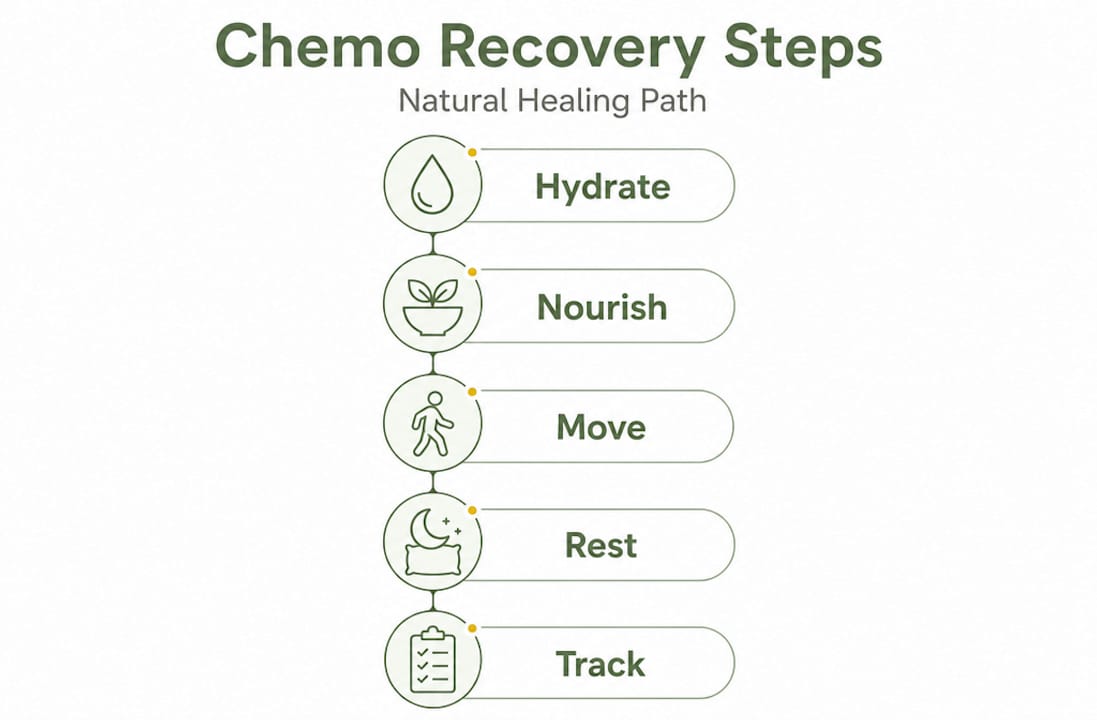
Tracking your symptoms and progress
One overlooked reality of holistic recovery from chemo is that what works brilliantly for one survivor may not work for another. Your biology, your treatment history, and your current health markers are unique. That is why tracking symptoms and diet daily provides concrete data that you and your care team can actually use to refine your approach.
A good recovery journal does not have to be elaborate. Keep it simple and consistent:
-
Morning entry: Energy level on a scale of 1 to 10, sleep quality, any pain or discomfort.
-
Meal log: What you ate, how it felt going down, any nausea or taste issues.
-
Activity notes: What movement you did and how you felt afterward.
-
Supplement log: What you took, the dose, and any noticeable reactions.
-
Evening reflection: Mood, stress level, and one thing that felt good today.
Research shows that 60.7% of breast cancer patients reported decreased life satisfaction and 50.2% reported lower self-esteem shortly after chemotherapy. Tracking your emotional state alongside physical symptoms acknowledges that recovery is not just physical. It is psychological, too. Patterns in your journal will reveal which foods, activities, or therapies are genuinely helping and which are not worth the effort.
Knowing when to contact your medical team is non-negotiable. Reach out immediately if you notice fever above 100.4°F, extreme weakness or confusion, new or worsening pain, or any sign of infection. Natural recovery methods support your healing. They do not replace medical oversight when something is wrong.
Pro Tip: Take your journal to every follow-up appointment. Objective, dated notes help your oncologist see your full picture, not just what you remember in the moment. Survivors who track consistently get more personalized care.
My perspective on recovering the whole person
I’ve worked with people navigating post-chemo recovery for years, and the pattern I see most consistently is this: survivors who do well are the ones who stop waiting to feel better before they start doing something. They begin gently, track honestly, and keep showing up.
What I’ve learned is that the biggest misconception about natural recovery is the idea that it competes with conventional medicine. It doesn’t. The survivors who thrive are the ones who use both. They take their prescribed medications and also eat thoughtfully, move their bodies a little each day, and tend to their emotional wellbeing with real practices.
I’ve also seen people get burned by going too far too fast with supplements. Someone hears that high-dose antioxidants support healing and takes a handful without checking interactions. That is how complementary care becomes a problem. The solution is not to avoid supplements. It is to go slowly, test your levels through functional lab testing, and adjust based on data.
Recovery from chemotherapy is not a sprint. It is a slow return to yourself, and every small step counts. Give yourself the patience you would give someone you love.
— Chris
Restore your body with the right support
At Healthspan Holistic, we believe that supporting the body after chemotherapy means giving it targeted, professional-grade nutrition that conventional care often does not address.
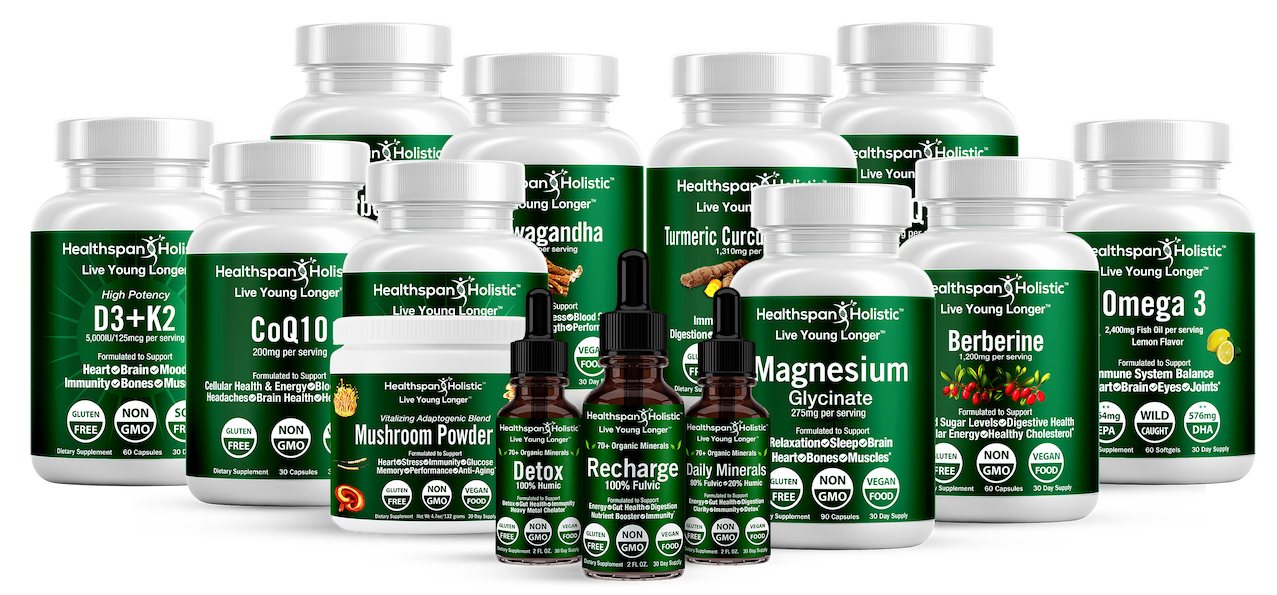
Our curated supplement collection includes products designed to complement your natural recovery. The Liver Sauce Botanical Blend supports liver detoxification and helps your body clear the residue that chemotherapy leaves behind. PC Liquid promotes healthy cell membrane function and digestive support. And High Potency Vitamin D3 + K2 helps rebuild bone density and immune resilience, both of which take a hit during chemo.
1st Time Customers can take advantage of our BOGO 50% OFF special offer: Buy 1, Get 1 50% Off on all supplements.
Browse the full collection at Healthspanholistic.com and find the support your recovery deserves.
FAQ
What does it mean to recover from chemo naturally?
Recovering naturally means using complementary strategies like nutrition, integrative therapies, exercise, and mindfulness alongside your conventional medical care to manage side effects and restore overall wellbeing. These approaches support but never replace standard treatment.
Which supplements are safe after chemotherapy?
Zinc, magnesium, B vitamins, and vitamin D3 are commonly recommended post-chemo supplements, but safety depends on your specific medications and labs. Always consult your oncologist or an integrative medicine specialist before starting any supplement regimen.
How does exercise help after chemotherapy?
Exercise improves stamina, reduces the severity of lingering side effects, and speeds up the return of physical function. Even short, gentle walks make a measurable difference in energy and recovery speed.
Can mindfulness actually reduce chemo side effects?
Yes. Mindfulness and meditation have shown evidence of reducing nausea, pain, fatigue, and stress in cancer survivors. Consistent daily practice, even 10 minutes, produces real physiological benefits over time.
How long does natural recovery from chemo take?
Recovery timelines vary widely based on the type of chemotherapy, dosage, and individual health factors. Many survivors notice meaningful improvement over three to six months with consistent attention to nutrition, movement, sleep, and emotional health.
Leave a comment: