

Peptide therapy side effects usually run mild: injection-site irritation, headache, nausea, and fatigue that clear up within days. The serious risks, allergic reactions, immune responses, and endocrine disruption, are rare but tied heavily to product quality and dosing. Regulated, FDA-approved peptides carry documented safety profiles; many peptides sold online do not. Before starting, talk to a clinician, get baseline lab testing, and verify your source.
TL;DR:
- Peptide therapy side effects are generally mild, with injection-site reactions and gastrointestinal symptoms being the most common and transient.
- Serious risks like allergic reactions and immune responses are rare but more likely if the peptide product is poorly manufactured or contaminated.
- Using FDA-approved peptides with documented safety profiles reduces the likelihood of adverse effects compared to unregulated online products.
- Combining multiple peptides increases the risk of unpredictable side effects and makes it harder to identify the cause of reactions, so single-agent protocols are safer.
- Baseline lab testing before starting and careful monitoring during therapy are essential to detect issues early and ensure treatment safety.
What Are the Common Peptide Therapy Side Effects?
Most people who try peptide therapy notice something at the injection site before anything else. Localized pain, redness, itching, mild swelling, or a small bruise are the most frequently reported reactions, and they typically show up within hours and fade within a few days as the tissue recovers.
Gastrointestinal symptoms come in second place. Nausea, diarrhea, constipation, and appetite shifts appear across several peptide categories, and the pattern echoes what’s already well documented with GLP-1 medications, where GI upset is the most common complaint during dose escalation. Systemic symptoms, headache, fatigue, and dizziness, round out the list. These tend to be transient and often ease once the body adjusts to a stable dose.
- Injection-site pain, redness, itching, swelling, or bruising (hours to days)
- Nausea, diarrhea, constipation, or appetite changes
- Headache, fatigue, or mild dizziness
- Symptoms that persist beyond a few weeks warrant a follow-up conversation with your clinician
Here’s the distinction that matters most: side effects of peptides that have gone through formal drug development carry known frequency data from clinical trials. Investigational or gray-market peptides don’t have that benchmark. Harvard Health notes that human evidence for many injectable peptides remains sparse, which means a lot of what circulates online about “typical” side effects is anecdotal, not clinical.
Serious but Rare Peptide Therapy Risks
Allergic reactions sit at the top of the watch list. Most are localized, hives or a rash near the injection site, but anaphylaxis, though uncommon, can happen with any injectable protein. Swelling of the face or throat, difficulty breathing, or a sudden drop in blood pressure after an injection is a medical emergency, not a “wait and see.”
Immunogenicity is the quieter danger. When a peptide product contains impurities or forms aggregates during manufacturing, the immune system can mount a response against it, sometimes triggering symptoms that mimic autoimmune flare-ups. The FDA’s Pharmacy Compounding Advisory Committee has flagged these exact concerns for BPC-157 and similar compounded peptides, citing insufficient clinical safety data and manufacturing variability.
A pattern worth noting: A narrative review of peptide therapies found that endocrine and metabolic disturbances, along with injection-site reactions, dominate the reported adverse-event picture. High-quality human trials remain scarce for most performance and wellness peptides.
- Allergic reactions ranging from localized hives to anaphylaxis
- Immune responses linked to impurities, aggregation, or contamination
- Disruption of the growth hormone/IGF-1 axis, insulin resistance, fluid retention, or organ enlargement with certain peptides
- Pancreatitis signals reported with some injectable agents, marked by severe abdominal pain
Much of this evidence comes from case reports and FAERS entries rather than controlled trials, so attribution isn’t always airtight. That gap in long-term human data is itself one of the biggest peptide therapy safety concerns clinicians raise.
Why Peptide Injection Side Effects Vary So Much

Not all peptides carry the same risk, and treating them as one category is where a lot of confusion starts. FDA-approved peptides go through clinical trials and manufacturing oversight that catch contamination and dosing problems before a product reaches a patient. Wellness peptides sold through online research chemical suppliers usually skip that entire process.
Formulation matters more than most people realize. Whether a peptide is manufactured as a free base or an acetate salt changes its stability and how the immune system reacts to it. Aggregation and impurity profiles, exactly what the FDA’s compounding advisory committee flagged, can turn a theoretically low-risk peptide into one that provokes an immune response.
- Regulated peptides undergo trials and oversight; many wellness peptides do not
- Free base versus acetate formulation changes stability and immunogenicity
- Stacking multiple peptides multiplies risk and makes side effects harder to trace to one cause
- Animal studies and influencer-shared protocols rarely predict how a compound behaves in humans
Dose and stacking deserve particular attention. Combining several peptides at once, a common practice promoted on social media, makes it nearly impossible to know which compound caused which reaction if something goes wrong. Reporting on the injectable peptide trend has highlighted exactly this: clinicians warn that stacking introduces layers of uncertainty that single-agent, evidence-backed protocols don’t carry.
Pro Tip: If a peptide protocol involves three or four compounds at once, ask your provider which single agent has the strongest human safety data. Start there before adding anything else.
How to Reduce Your Risk Before Starting Peptide Therapy
Reducing peptide treatment complications starts before the first injection, not after symptoms show up. A structured screening and monitoring plan gives you and your clinician a real baseline to compare against if something feels off later.
- Check your hormone and metabolic markers. A Comprehensive Hormone Panel and a Metabolic Panel flag imbalances that could interact with peptide-driven endocrine shifts.
- Screen for existing inflammation. An Inflammation Panel gives you a marker to track if you suspect an immune reaction later on.
- Ask your prescriber direct questions: What’s the evidence for this peptide at this dose, for this indication? Where does the product come from, and do you have a certificate of analysis? What’s the plan if I have a reaction?
- Set a monitoring schedule. Repeat key labs at defined intervals rather than waiting for symptoms to prompt action.
- Avoid stacking. Single-agent protocols with documented evidence are easier to evaluate and safer to troubleshoot.
Doctors interviewed on injectable peptide safety consistently point back to one theme: uncertainty about long-term effects means patients need to have this conversation explicitly, not assume safety by default.
Pro Tip: Keep the product vial, box, and lot number even after you start injecting. If a reaction happens, that information is the fastest way for a clinician to trace what went wrong.
When to Stop and When to Get Urgent Care
Some symptoms mean stop and call your doctor. Others mean go to the emergency room now.
- Trouble breathing, throat swelling, hives spreading across the body, or sudden dizziness: emergency care immediately
- Severe abdominal pain or vomiting that won’t let up: possible pancreatitis, contact your clinician or go to the ED.
- Rapid weight gain, significant swelling, new neurological symptoms, or blood sugar readings that suddenly don’t make sense: urgent clinician review is recommended
If you do experience a reaction, hold onto the product vial and label, write down your dosing schedule, and tell your clinician exactly what you took and when. That documentation matters if your provider needs to report the event through FAERS.
Our Take on Making Peptide Decisions Safer
Peptide therapy isn’t inherently reckless, and it isn’t a guaranteed win either. The honest answer sits in between: outcomes depend almost entirely on what you’re injecting, how it was made, and whether anyone is watching your labs while you use it.
Our approach starts with data, not assumptions. Using baseline lab panels, analytics, and coaching, it helps build a picture of where your hormones, metabolism, and inflammation markers stand before you introduce a new compound. Panels exist specifically to catch problems early and track them over time.
We believe in shared decision-making. That means clinician-led plans, transparent sourcing, and steering clear of unapproved products with no track record. Peptide therapy pros and cons rarely stay fixed. They shift with every choice you make about dose, source, and monitoring.
— Chris
Test Before You Try: A Safer Starting Point With Healthspan Holistic
If you’re weighing peptide therapy, the smartest first move isn’t picking a compound. It’s finding out what your body looks like before you introduce one. Healthspan Holistic’s diagnostics-first model gives you that starting line: baseline labs, AI-powered analysis of your results, and one-on-one coaching to interpret what they mean for you.
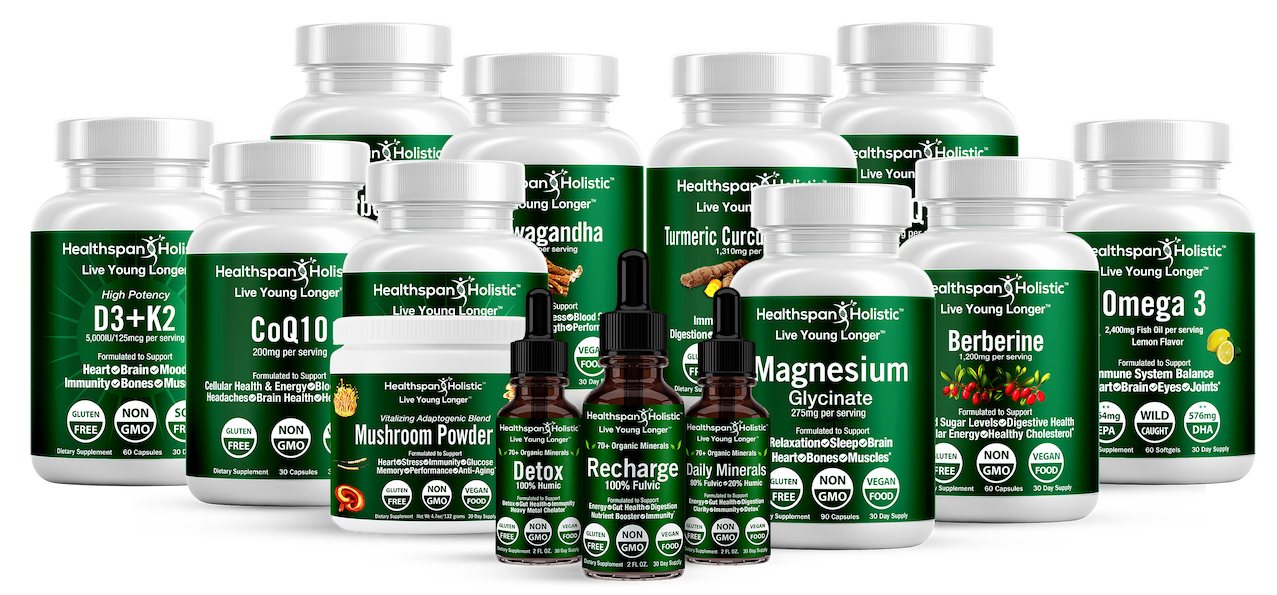
The Peptide Baseline Lab Panel checks the markers most relevant to peptide safety, while the Comprehensive Hormone Panel and Metabolic Panel round out a picture your clinician can actually use for monitoring, not guessing. 1st Time Customers can take advantage of our BUY 1 GET 1 50% OFF special offer on all supplements. Visit our full range of services and testing to book your baseline panel and start your peptide conversation with real numbers behind it, not just a protocol you found online.
This article is general information, not a substitute for advice from a qualified doctor. Consult a qualified healthcare professional about your own circumstances before acting on anything here.
Sources
- Pharmacy Compounding Advisory Committee (PCAC) Meeting — FDA
- Peptides: What they are, potential benefits, and safety concerns — Harvard Health
- Narrative review of peptide therapies and safety concerns — PubMed
FAQ
What Are the Negatives of Taking Peptides?
The most common negatives are injection-site irritation, GI upset, headache, and fatigue, most of which resolve within days. Less common but more serious negatives include allergic reactions and immune responses tied to impurities in poorly manufactured products.
What Happens When You Stop Peptide Therapy?
Most mild side effects, injection-site reactions and GI symptoms, resolve once you stop. Whether the intended benefits (like tissue repair or hormone support) persist depends on the specific peptide and your baseline health, which is why tracking labs before and after treatment matters.
How Safe Is Peptide Therapy?
Safety depends heavily on the specific peptide, its regulatory status, and where it’s sourced. FDA-approved peptides have documented safety profiles from clinical trials, while many wellness peptides sold online lack that evidence base entirely.
Are Peptides Worth the Risk?
That depends on the peptide, your health goals, and whether you’re working with a clinician who can monitor you. Baseline testing through options like a Peptide Baseline Lab Panel helps you make that call with data instead of guesswork.
Does Healthspan Holistic Offer Peptide Therapy Testing?
Yes, Healthspan Holistic offers a Peptide Baseline Lab Panel along with Comprehensive Hormone and Metabolic Panels to support safer peptide decisions. Current pricing is available on the Healthspan Holistic site.
Leave a comment: