

TL;DR:
Testosterone is essential for women’s energy, mood, muscle, bone health, and sexual function.
Levels decline with age, causing fatigue, low libido, muscle loss, and brain fog.
Holistic approaches include testing comprehensive hormones, strength training, sleep, stress management, and lifestyle changes.
Most women growing up were taught that testosterone belongs to men. It’s stamped as the “male hormone,” connected to muscle, aggression, and everything distinctly not female. But here’s what that story gets wrong: testosterone is one of the most important hormones in a woman’s body, and its decline at midlife is a key driver of the fatigue, brain fog, muscle loss, and low libido that so many women between 45 and 75 silently struggle with. This guide cuts through the confusion, gives you the facts on what testosterone actually does for you, and shows you practical, evidence-based steps to protect your vitality for decades to come.
Key Takeaways
| Point | Details |
|---|---|
| Vital for energy and mood | Testosterone plays a critical role in midlife women’s mental and physical vitality. |
| Levels decline post-menopause | Women often lose 50% of their testosterone by menopause, impacting wellness. |
| Therapy has mixed evidence | Testosterone therapy reliably improves libido but offers only modest benefits for energy or mood. |
| Testing is nuanced | Symptoms can matter more than lab results; always assess free T and SHBG. |
| Lifestyle is foundational | Nutrition, movement, and stress management are key for hormone balance alongside any medical options. |
What is testosterone and why does it matter in women?
Testosterone isn’t just a supporting player in female health. It’s a central character. Women produce testosterone primarily in the ovaries and adrenal glands, and it supports energy, mood, muscle and bone health, libido, metabolism, and cognitive function. In fact, healthy women produce more testosterone than estradiol (the primary form of estrogen) on a daily basis. The amounts are smaller than in men, but the effects are just as significant.
“Testosterone is not just a male hormone. In women, it acts as a biological cornerstone for physical strength, mental clarity, and sexual wellbeing across the entire lifespan.”
Here’s what testosterone specifically does for women:
-
Energy and stamina: It supports mitochondrial function, which powers every cell in your body.
-
Muscle and bone strength: It helps maintain lean muscle mass and bone mineral density, both of which protect against fractures and frailty.
-
Mood and motivation: It plays a role in dopamine signaling, which influences your sense of drive, reward, and emotional resilience.
-
Libido and sexual satisfaction: It’s the primary hormonal driver of sexual desire in women, not estrogen.
-
Cognitive sharpness: It supports memory, focus, and mental processing speed.
-
Metabolic health: It helps regulate fat distribution and insulin sensitivity.
Testosterone often gets overshadowed by estrogen in conversations about women’s hormonal health. We talk a lot about estrogen dropping at menopause, but testosterone follows a similar trajectory, and its effects on everyday quality of life are just as real. Understanding how thyroid health and energy intersects with testosterone helps paint a fuller picture of why midlife women feel depleted even when blood tests look “normal.”
The good news is that when you know what to look for, you can take meaningful steps to protect and restore this vital hormone. And that process starts with knowing the facts, not the myths.
Declining testosterone: Symptoms and impacts for midlife women
With an understanding of testosterone’s importance, let’s look at how levels change with age and what that means for your wellness on a day-to-day basis.

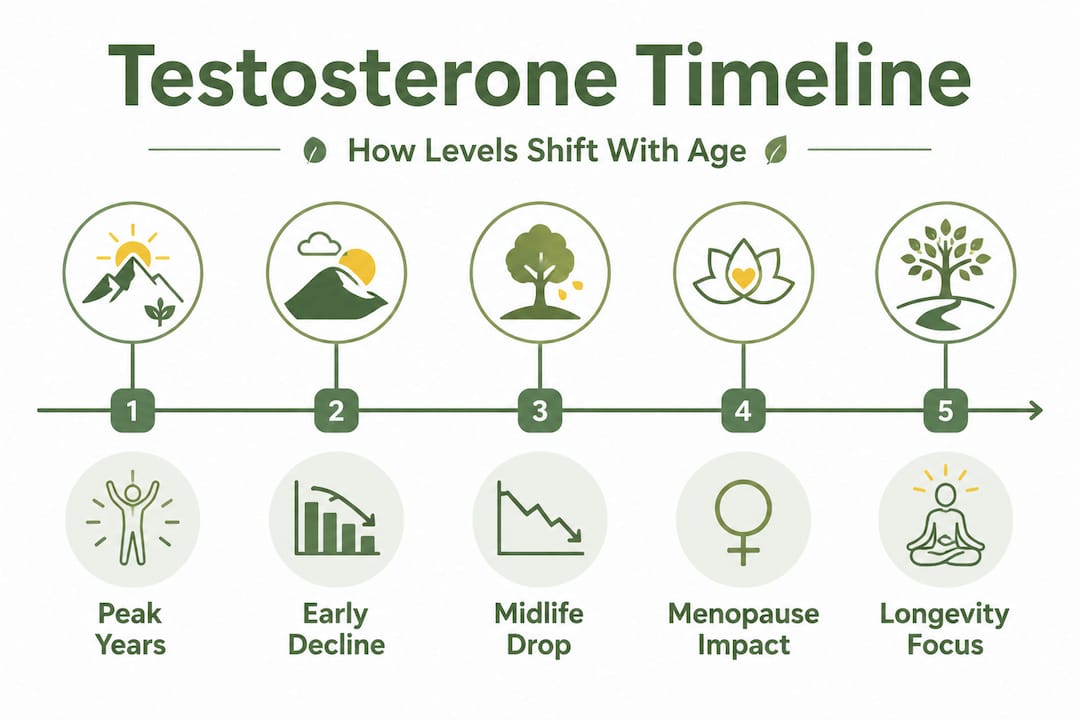
Testosterone levels decline with age, and by the time menopause arrives, levels may drop by as much as 50%. This isn’t a gradual, barely-noticeable shift. For many women, it’s a noticeable collapse in energy, drive, and physical resilience. Women in their 40s often start noticing the earliest signs: persistent tiredness, loss of muscle tone despite regular exercise, difficulty concentrating, and a fading interest in sex.
| Testosterone level | Typical range for women | Common symptoms |
|---|---|---|
| Optimal | 20–70 ng/dL | Strong energy, good libido, clear thinking |
| Low-normal | 10–20 ng/dL | Mild fatigue, some mood changes |
| Low (clinical) | Below 10 ng/dL | Fatigue, low libido, brain fog, muscle loss |
| Post-menopausal avg | Often 10–20 ng/dL | Varies widely per individual |
Here are the most common signs of low testosterone in women over 45:
-
Persistent fatigue that doesn’t improve with rest
-
Reduced muscle mass even with strength training
-
Decreased bone density (raising osteoporosis risk)
-
Low sex drive and difficulty with arousal or orgasm
-
Mood changes including irritability, anxiety, or low motivation
-
Brain fog and difficulty with word recall or concentration
-
Increased body fat, particularly around the abdomen
What makes this especially tricky is that many of these symptoms are blamed on stress, aging, or estrogen decline alone. Testosterone often doesn’t get tested as part of a routine hormone panel. That’s a major gap. Using blood testing for wellness as a foundation for your health decisions means you stop guessing and start addressing the actual root cause.
Pro Tip: If your doctor dismisses your fatigue or low libido as “just menopause,” ask specifically for a free testosterone and SHBG (sex hormone binding globulin) test alongside your standard hormone workup. A comprehensive hormone panel gives you the clearest picture of where your levels actually stand.
Testosterone therapy: Benefits, evidence, and safety for women
Beyond natural decline, many women consider testosterone replacement therapy, often called TRT. Let’s evaluate what the research actually reveals about TRT’s benefits and where caution is warranted.
The clearest benefit from the clinical evidence? Sexual function. TRT in postmenopausal women improves sexual function, including the number of satisfying sexual episodes, arousal, and orgasm. One retrospective study found that 84% of women on TRT reported improved energy levels, and more than 65% reported improvements in mood and sexual wellbeing. These are meaningful numbers for women who have felt invisible to conventional medicine.
Here’s a breakdown of what the research shows for specific health areas:
-
Sexual function: Strongest evidence. Multiple randomized trials confirm improvements in desire, arousal, and satisfaction.
-
Energy and fatigue: Promising signals in observational studies; evidence from controlled trials is more mixed.
-
Mood: Some studies show benefit, but placebo responses are often equivalent, meaning mindset and context matter too.
-
Cognitive function: Most trials show neither significant benefit nor harm; brain fog improvement is not reliably attributed to TRT alone.
-
Muscle mass: Early positive signals, but not enough long-term controlled data to draw firm conclusions.
-
Bone density: Some short-term evidence of benefit, but long-term data is limited.
| Outcome | Evidence strength | Notes |
|---|---|---|
| Sexual function | Strong | Consistent across multiple trials |
| Energy/fatigue | Moderate | Stronger in observational studies |
| Mood | Weak to moderate | Placebo often equal |
| Cognition | Weak | No increased decline risk found |
| Bone/muscle | Preliminary | Needs more long-term data |
Now for the honest conversation about risks. Risks of TRT include acne, unwanted hair growth, and lowered HDL (the “good” cholesterol). Critically, long-term cardiovascular and breast cancer risks remain unknown because no studies have followed women on TRT for more than two years. And testosterone is not FDA-approved for use in women, meaning any prescription is currently off-label.
This doesn’t mean TRT is wrong for every woman. It means you and your provider need to weigh the evidence honestly. For women with a strong focus on sexual wellbeing and quality of life, TRT may offer real, measurable benefits. For those hoping it will solve fatigue or brain fog on its own, the evidence is less convincing without complementary lifestyle support.
If you’re exploring broader hormonal balance, estradiol for hormonal balance and targeted supplements like fem rebalance for hormones can support a more complete approach to midlife hormonal health alongside any clinical interventions you’re considering.
Testing, edge cases, and holistic alternatives
Many women don’t fit neatly into lab cutoffs. So how do you approach testing and find safe, holistic alternatives that work for your unique biology?
The answer lies in understanding what your test results actually mean in context. Edge cases are more common than you think: some women have low testosterone despite “normal” blood results because high levels of SHBG (sex hormone binding globulin) bind to testosterone and make it unavailable for your cells to use. You can have adequate total testosterone yet still experience every symptom of deficiency. This is why testing free testosterone and SHBG together is so important.
Key testing considerations:
-
Total testosterone alone is not enough. Free testosterone, which is the active, usable form, and SHBG must both be measured.
-
Symptoms should guide interpretation. If your numbers fall within “normal” range but you have multiple symptoms of low T, your case warrants deeper evaluation.
-
Timing matters. Testosterone fluctuates across your cycle (if still menstruating), across the day, and with stress, sleep quality, and exercise.
-
Stress hormones compete with sex hormones. High cortisol from chronic stress directly suppresses testosterone production. An adrenal stress test can reveal whether adrenal fatigue is a hidden factor behind your low T symptoms.
Lifestyle interventions can meaningfully support testosterone balance, especially when levels are in the low-normal range:
-
Strength training: Resistance exercise is one of the most well-documented natural boosters of testosterone in women. Aim for two to three sessions per week.
-
Sleep optimization: Testosterone production peaks during deep sleep. Poor sleep quality directly impairs hormonal output. Protecting your sleep is protecting your hormones.
-
Stress management: Practices like breathwork, yoga, and meditation lower cortisol, which frees up hormonal resources for testosterone production.
-
Nutritional support: Zinc, magnesium, vitamin D, and healthy fats are all foundational to hormone synthesis. Nutrient-dense whole foods are non-negotiable.
-
Adaptogens: Herbs like ashwagandha have demonstrated modest benefits for stress-related hormonal disruption. Ashwagandha for energy is a well-tolerated option worth discussing with your coach or practitioner.
Pro Tip: Before pursuing TRT, spend 90 days optimizing your sleep, resistance training, adrenal health, and nutrient status. Many women see significant improvements in energy and libido through these steps alone, and your subsequent lab results will give you a cleaner baseline for any further decisions.
A fresh perspective: What most guides miss about women and testosterone
With evidence and edge cases explored, here’s a holistic perspective few practitioners emphasize enough.
Most conversations about testosterone and women follow one of two extreme scripts. Either the hormone is dismissed as irrelevant for women, or it’s hyped as the secret fix for every complaint from fatigue to aging. Both miss the point. The truth is more nuanced, and frankly, more empowering.
The evidence is clearest for improved libido and sexual wellbeing. That’s a legitimate, important health outcome, not something to minimize or feel embarrassed about. But the sweeping claims about testosterone being the answer to energy, longevity, and cognition for all women aren’t yet supported by the data. Placebo responses frequently match mood improvements in trials. Cognitive benefits have not been reliably demonstrated. And energy improvements, while reported, are inconsistent across studies.
What we’ve seen consistently at Healthspan Holistic is that women who start with a thorough full hormone testing panel and then work systematically on sleep, nutrition, stress, and movement often see profound shifts in how they feel, without any pharmaceutical intervention. That doesn’t mean therapy is wrong. It means the right sequence matters.
We’d also challenge the idea that one hormone tells the whole story. Testosterone interacts with estrogen, progesterone, thyroid hormones, cortisol, and insulin in a complex web. A woman with low testosterone who also has undetected thyroid dysfunction or chronically elevated cortisol will not respond the same way as someone whose only imbalance is testosterone. The blood testing for wellness approach we advocate looks at the full system, not just one number.
Advocate for yourself. Ask for complete testing. Work with a provider who is willing to discuss both pharmaceutical and lifestyle strategies. And be skeptical of any approach that promises fast results without addressing the full picture of your health.
Holistic resources for women’s hormone, energy, and wellness
If you’re ready to apply these insights, here’s where to start your journey to balanced energy and wellness.
Understanding testosterone’s role in your health is one thing. Taking action is another. At Healthspan Holistic, we’ve built our platform specifically for women in midlife who want answers, not assumptions.
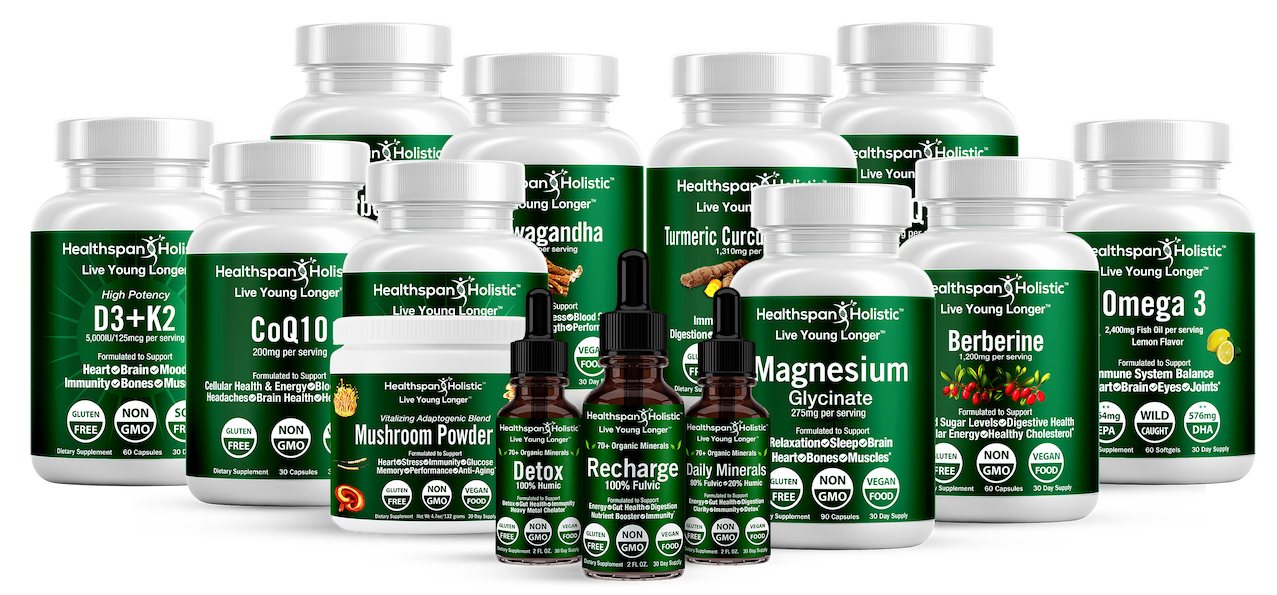
Start with a comprehensive hormone panel that measures free testosterone, SHBG, estradiol, progesterone, cortisol, and thyroid markers together. This gives you and your coach a complete picture of what’s actually driving your symptoms. Then, contact us to book a health coaching call to map out a personalized strategy that integrates nutrition, movement, supplementation, and, where appropriate, clinical options. You deserve care that treats you as a whole person, not just a set of lab numbers.
Frequently asked questions
Can women’s testosterone levels be too high, and what does that mean?
Yes, high testosterone in women may lead to symptoms like acne, excess hair growth, and metabolic issues; Risks of TRT research confirms that testing free T and SHBG together helps clarify whether the cause is excess production, reduced binding, or therapeutic overdose.
Is testosterone therapy safe for women over 65?
Long-term safety data for TRT in women over 65 remains limited; available evidence shows no increased major risks up to two years, but therapy is not FDA-approved for women, so close monitoring is essential.
What are natural ways to support healthy testosterone levels?
Resistance training, quality sleep, stress reduction, and a nutrient-dense diet rich in zinc, magnesium, and healthy fats all support testosterone production, since women produce testosterone in the ovaries and adrenal glands, both of which respond strongly to lifestyle inputs.
How can I test for testosterone and related hormones?
Ask your healthcare provider to test both free testosterone and SHBG alongside total T, because low T despite normal blood results is more common than most practitioners acknowledge, and a full panel gives you the most actionable data.
Does testosterone therapy help with brain fog or cognition in women?
Most controlled studies show little to no cognitive improvement from TRT compared to placebo; while TRT in postmenopausal women does not appear to increase cognitive decline risk, brain fog usually has multiple contributing factors that benefit from a broader holistic approach.
Recommended
-
Best evidence-based supplements for longevity after 40 | Healthspan Holistic
-
Understanding Thyroid Health: Boost Energy and Manage Weight | Healthspan Holistic
-
Understanding Thyroid Health: Boost Energy and Manage Weight | Healthspan Holistic
-
Why test your blood? Unlock wellness and longevity at any age | Healthspan Holistic
Leave a comment: