

TL;DR:
- Ashwagandha is a well-studied adaptogenic herb that effectively reduces anxiety and cortisol levels through consistent use over eight weeks. It works by modulating the stress response system and supporting mood pathways, offering a natural alternative with fewer side effects than pharmaceuticals. Proper dosing and patience are essential to achieve its full stress-relieving benefits.
Ashwagandha is defined as an adaptogenic herb with clinically proven anxiolytic effects, making it one of the most studied natural stress relief supplements available today. A 2026 randomized controlled trial found that 600 mg daily of standardized ashwagandha root extract reduced anxiety symptoms at a rate nearly identical to 50 mg of Sertraline over 8 weeks. That result positions ashwagandha for stress and anxiety relief not as a fringe remedy, but as a serious, evidence-backed option. For adults aged 30–60 who want natural solutions without the side effect burden of pharmaceuticals, this herb deserves a close look.
What does the clinical evidence say about ashwagandha for stress and anxiety?
The science behind ashwagandha is more solid than most people realize. A head-to-head trial measured anxiety using the Hamilton Anxiety Rating Scale (HAM-A) and found a mean reduction of 14.2 points in the ashwagandha group, compared to 15.1 in the Sertraline group and just 5.4 in the placebo group. That gap between ashwagandha and placebo is large and clinically meaningful.
Systematic reviews in 2026 consistently confirm that ashwagandha reduces stress, anxiety, and depression symptoms when used with standardized root extracts over 8–12 weeks. The consistency across multiple studies matters. It rules out the possibility that one well-funded trial produced a lucky result.
Ashwagandha also improves sleep quality and lowers insomnia symptoms alongside anxiety reduction. Significant improvements appear on both subjective sleep scales and the General Health Questionnaire (GHQ-28) after 8–12 weeks of use. Better sleep and lower anxiety reinforce each other, which is why many people report feeling noticeably calmer within two months.
One detail worth knowing: researchers use mint-scented desiccants in placebo-controlled trials to mask ashwagandha’s strong, distinctive odor. This keeps the blinding intact and protects trial integrity. It also tells you something about how seriously researchers take this herb.
| Trial feature | Ashwagandha group | Sertraline group | Placebo group |
|---|---|---|---|
| HAM-A score reduction | 14.2 points | 15.1 points | 5.4 points |
| Cortisol reduction | 24.3% | Not reported | Minimal |
| Adverse event rate | 5.6% | Higher (nausea, sexual dysfunction) | 9.2% |
| Study duration | 8 weeks | 8 weeks | 8 weeks |
Pro Tip: Give ashwagandha at least 6–8 weeks before judging results. The herb works by gradually rebalancing your stress hormones, not by producing an immediate calming effect.
How does ashwagandha work as an adaptogen to relieve stress?
Ashwagandha works by modulating the hypothalamic-pituitary-adrenal (HPA) axis, which is the body’s central stress response system. When you face chronic stress, this axis keeps cortisol elevated for too long. Ashwagandha’s active compounds, called withanolides, signal the HPA axis to dial back that cortisol output. The result is a 24.3% reduction in serum cortisol in clinical trials, which translates directly to feeling less wired and reactive.
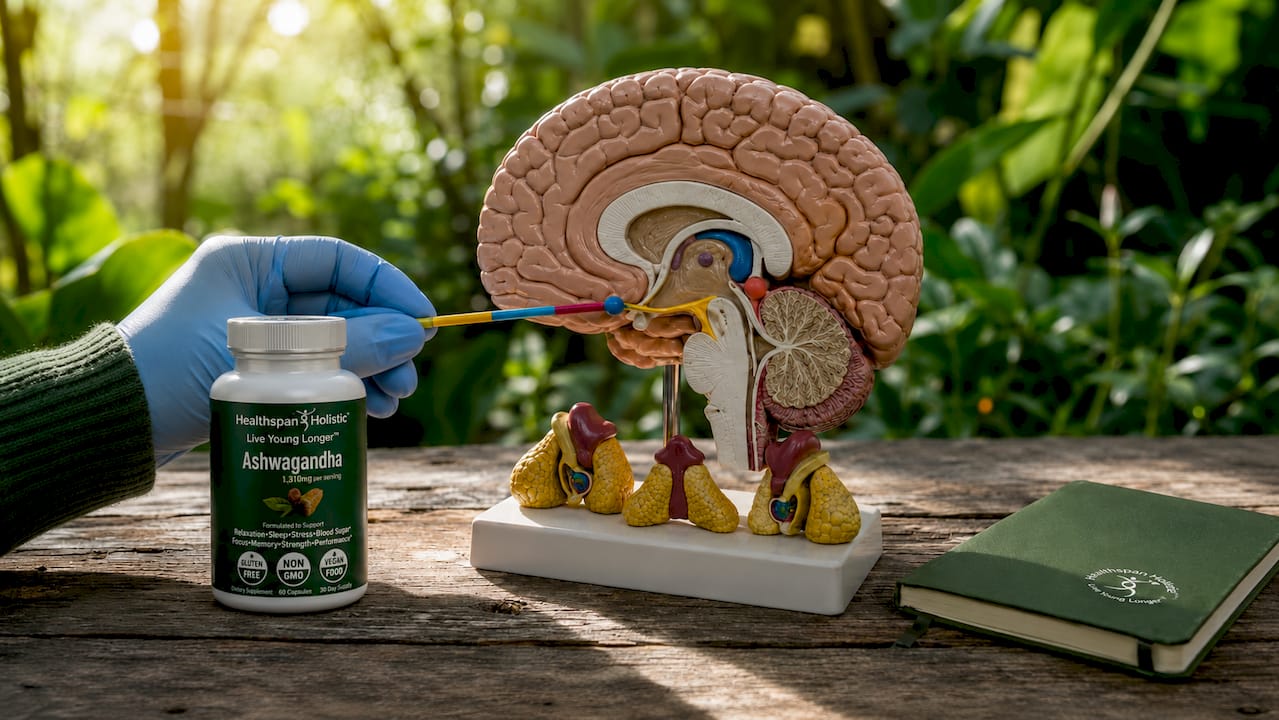
The herb also has GABA-mimetic properties. GABA is your brain’s primary inhibitory neurotransmitter, the chemical that puts the brakes on anxious, overactive neural firing. Ashwagandha’s phytochemicals mimic GABA’s calming effect without binding to the same receptors as benzodiazepines, so there is no sedation, no dependency risk, and no rebound anxiety when you stop. You can learn more about how this connects to adrenal health in Healthspan Holistic’s guide on adrenal fatigue recovery.
Ashwagandha also supports serotonin pathways and neuroplasticity. Chronic stress shrinks the hippocampus, the brain region tied to mood regulation and memory. Ashwagandha appears to support the growth factors that keep those neurons healthy, which may explain why people report mood improvements that go beyond simple relaxation.
Key biological actions of ashwagandha as an adaptogen:
-
HPA axis regulation: Reduces excess cortisol production during chronic stress
-
GABA-mimetic activity: Calms overactive neural firing without sedation
-
Serotonin support: Contributes to mood stability over weeks of consistent use
-
Neuroplasticity: May protect hippocampal neurons from stress-related damage
-
Immune modulation: Supports systemic resilience, not just stress symptom relief
“Ashwagandha’s efficacy depends on sustained hormonal modulation rather than immediate sedation. Think of it as training your stress response system to be more resilient, not simply muting the alarm.”
This distinction matters. Ashwagandha is not a fast-acting rescue remedy for acute panic. It is a systemic resilience modulator that requires consistent daily intake to produce its full effect. Adults who understand this from the start are far more likely to stay consistent and see real results.
How does ashwagandha compare to SSRIs and other natural options?
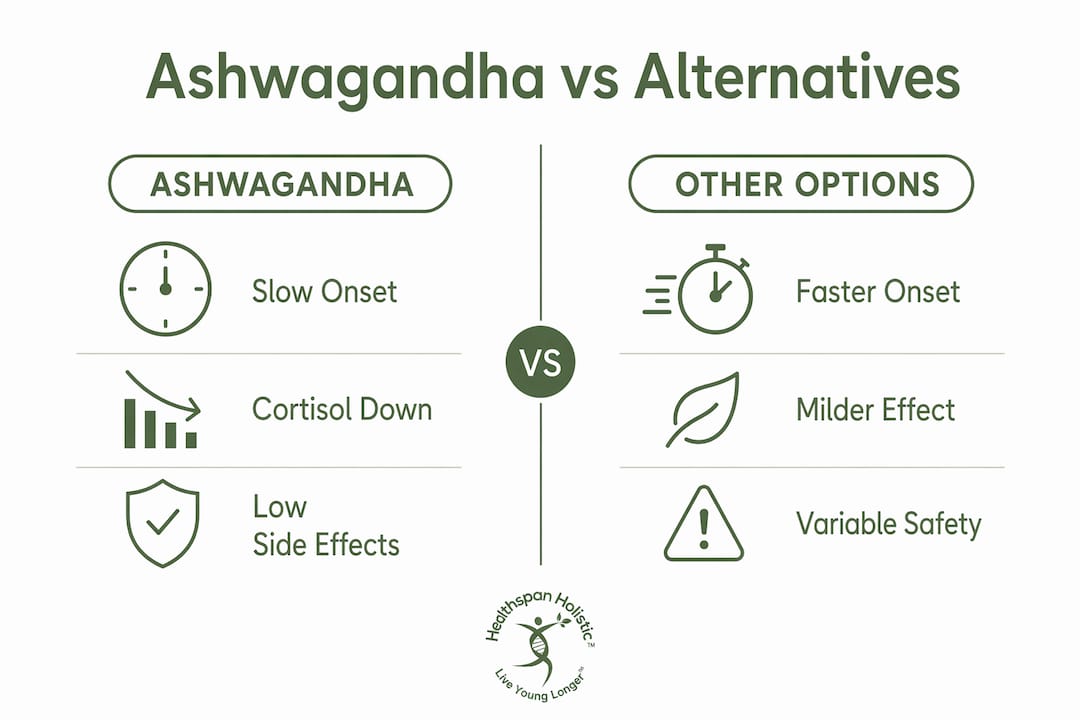
The most striking finding from recent trials is the side effect comparison. 28% of Sertraline patients reported nausea, and SSRI-related sexual dysfunction was statistically significant at p < 0.001. Ashwagandha produced a safety profile indistinguishable from placebo in the same trial. For adults who have tried SSRIs and struggled with those side effects, that difference is not minor.
Other natural options for herbs for anxiety management include L-Theanine, which works faster but produces a milder, shorter effect. Magnesium glycinate supports the nervous system and sleep but does not directly modulate cortisol. Rhodiola rosea is another adaptogen with good evidence for fatigue and burnout, though less data exists for generalized anxiety specifically. Ashwagandha stands out because it addresses both the hormonal and neurochemical roots of stress simultaneously.
| Option | Onset time | Cortisol effect | Side effects | Best for |
|---|---|---|---|---|
| Ashwagandha (600 mg) | 4–8 weeks | Strong reduction | Minimal | Chronic stress, anxiety |
| Sertraline (50 mg) | 2–4 weeks | Indirect | Nausea, sexual dysfunction | Clinical depression, GAD |
| L-Theanine | 30–60 minutes | Mild | Very low | Acute mild anxiety |
| Rhodiola rosea | 2–4 weeks | Moderate | Low | Fatigue, burnout |
| Magnesium glycinate | 1–2 weeks | Indirect | Very low | Sleep, nervous system support |
For a deeper look at how adaptogens support stress resilience, the evidence base has grown considerably in 2026.
Pro Tip: If you see a supplement blend that combines ashwagandha with stimulants or fast-acting sedatives, read the label carefully. Those additions may mask ashwagandha’s true adaptogenic effect and make it harder to know what is actually working.
How to use ashwagandha for stress and anxiety relief
Getting the dose and timing right makes a real difference in outcomes. Clinical trials use standardized root extracts, not raw powder, because standardization guarantees a consistent concentration of withanolides. Here is a practical guide based on trial protocols and clinical practice:
-
Choose a standardized extract. Look for products standardized to at least 5% withanolides. Xymogen’s ashwagandha capsules use a root extract that meets this standard.
-
Start with 300 mg daily. This dose is effective for mild to moderate stress. Move to 600 mg daily if you need stronger support, which is the dose used in head-to-head SSRI trials.
-
Time your dose to your goal. Morning dosing with food works best for daytime stress support and aligns with your natural cortisol rhythm. Evening dosing is better if your primary concern is sleep or nighttime anxiety.
-
Be consistent for at least 8 weeks. Hormonal rebalancing takes time. Missing doses regularly will slow your results.
-
Monitor how you feel at weeks 4 and 8. Track sleep quality, mood, and stress reactivity. These are the clearest early signals that the herb is working.
-
Check for interactions before starting. If you take thyroid medication, immunosuppressants, or sedatives, speak with your healthcare provider first. Ashwagandha can influence thyroid function, particularly in people with existing thyroid conditions.
-
Pair it with lifestyle support. Ashwagandha works best alongside regular movement, consistent sleep schedules, and a nutrient-dense diet. It amplifies a healthy lifestyle rather than replacing one.
What are the safety considerations for ashwagandha users?
Ashwagandha has one of the cleanest safety records among stress relief supplements. Large-scale trials with over 1,000 participants show adverse event rates of just 5.6% in the ashwagandha group versus 9.2% in the placebo group. That means people taking ashwagandha actually reported fewer side effects than those taking a sugar pill.
Mild effects that occasionally appear include:
-
Mild digestive upset, especially when taken on an empty stomach
-
Dry mouth in a small number of people
-
Drowsiness at higher doses, particularly with evening use
Special populations need to take extra care:
-
Thyroid conditions: Ashwagandha can increase thyroid function in people with mild hypothyroidism. In healthy individuals, hormone levels stay within normal range even after 12 months of use. If you take thyroid medication, monitor your levels.
-
Autoimmune conditions: Because ashwagandha modulates immune function, people with autoimmune diseases should consult their doctor before use.
-
Pregnancy: Ashwagandha is not recommended during pregnancy due to insufficient safety data.
-
Prescription medications: Anyone on sedatives, anticonvulsants, or immunosuppressants should get medical clearance first.
For most healthy adults aged 30–60, ashwagandha is a well-tolerated, low-risk addition to a natural stress management plan. An adrenal stress test can give you a clear baseline of your cortisol and hormone levels before you start, which makes it much easier to track real progress.
Key Takeaways
Ashwagandha is the most clinically supported natural adaptogen for stress and anxiety, with efficacy comparable to Sertraline and a safety profile that matches placebo.
| Point | Details |
|---|---|
| Clinical efficacy | Ashwagandha reduces HAM-A anxiety scores by 14.2 points over 8 weeks, nearly matching Sertraline. |
| Cortisol reduction | Daily use lowers serum cortisol by 24.3%, directly reducing the physical stress response. |
| Safety advantage | Adverse event rates are lower than placebo; no SSRI-related sexual dysfunction or nausea. |
| Correct dosing | Use 300–600 mg of standardized root extract daily, timed to your stress or sleep goal. |
| Patience required | Results build over 6–8 weeks of consistent use; ashwagandha is not a fast-acting rescue remedy. |
What I have learned from watching people use ashwagandha over time
Most people who try ashwagandha give up too soon. They take it for two weeks, feel nothing dramatic, and move on. That is the wrong expectation to bring to an adaptogen. The herb does not hit you like a sedative. It works more like physical training. You do not feel stronger after one workout. You feel it after six weeks of showing up consistently.
What I have seen work is pairing ashwagandha with a baseline cortisol test before starting. When people can see their cortisol numbers drop over two months, they stay motivated. Without that data, it is easy to dismiss subtle improvements in sleep and mood as coincidence.
The quality question is real. Not all ashwagandha products contain what the label claims. I always recommend choosing a product from a brand that publishes third-party testing results. The withanolide content varies widely across products, and a low-quality extract at the same dose will produce weaker results.
My honest advice: treat ashwagandha as one pillar of a broader stress management plan. Combine it with evidence-based insights on ashwagandha, regular exercise, and a sleep schedule you actually protect. The herb will do its part. Your job is to give it the conditions to work.
— Chris
Healthspan Holistic’s natural stress support options
Chronic stress is not just a feeling. It shows up in your cortisol levels, your sleep, your hormones, and your long-term health. Healthspan Holistic offers professional-grade tools to address all of it.
Start with the 90 Day Journey to Longevity, a structured supplement program designed to support vitality, stress resilience, and whole-body wellness over three months. Pair it with a comprehensive hormone panel to get a clear picture of where your cortisol and stress hormones actually stand. That combination gives you both the support and the data to make real progress.
Checkout our organic ashwagandha capsules with black pepper to boost absorption. 1st Time Customers can take advantage of our BUY 1 GET 1 50% OFF special offer on all supplements.
FAQ
What is the best ashwagandha dosage for anxiety?
Clinical trials use 300–600 mg of standardized root extract daily, with 600 mg producing results comparable to 50 mg of Sertraline over 8 weeks. Start at 300 mg and increase if needed after four weeks.
Does ashwagandha reduce cortisol?
Yes. Clinical trials show ashwagandha reduces serum cortisol by 24.3% compared to placebo, which directly lowers the body’s physical stress response over consistent daily use.
How long does ashwagandha take to work for stress?
Most people notice meaningful improvements in sleep, mood, and stress reactivity after 6–8 weeks of consistent daily use. Ashwagandha modulates hormones gradually rather than producing an immediate effect.
Is ashwagandha safe to take long-term?
Large-scale safety trials show adverse event rates of just 5.6% in ashwagandha users, lower than placebo. No serious adverse events were reported, and hormone levels stay within normal range in healthy adults after up to 12 months of use.
Can ashwagandha replace antidepressants or anti-anxiety medication?
Ashwagandha shows efficacy comparable to Sertraline for generalized anxiety in clinical trials, but it is not a replacement for prescribed medication without medical guidance. Always consult your healthcare provider before changing or stopping any prescription treatment.
Leave a comment: