

TL;DR:
- Eating complex carbohydrates before bed can promote better sleep by supporting serotonin and melatonin production. Timing meals 1 to 4 hours prior to sleep enhances this benefit, while late-night refined carbs may disrupt sleep cycles. Combining carbs with tryptophan-rich protein further improves sleep quality.
Carbohydrates help you sleep by triggering a chain of brain chemistry events that produce serotonin and melatonin, the two key sleep-regulating chemicals. This is the science behind why a bowl of oatmeal or a slice of whole grain toast in the evening can leave you feeling genuinely drowsy. The effect is real, but it depends heavily on which carbs you eat and when. Refined sugars and late-night heavy meals can flip this benefit into a sleep disruptor. Understanding the difference gives you a practical, evidence-backed tool for better rest every night.
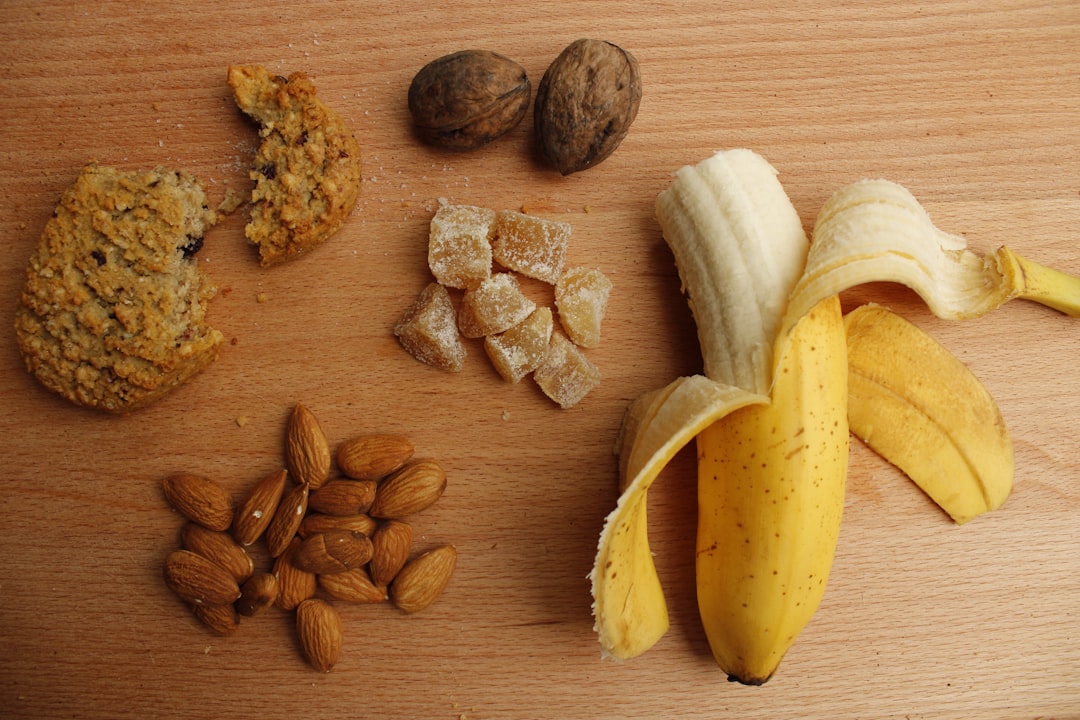
Do carbs help you sleep, and how does the mechanism work?
Carbohydrates affect sleep through a well-established pathway involving the amino acid tryptophan. When you eat carbs, your body releases insulin. Insulin clears competing amino acids from the bloodstream, which allows tryptophan to cross the blood-brain barrier more easily. Once in the brain, tryptophan converts to serotonin and then to melatonin, the hormone that signals your body it is time to sleep.
The type of carbohydrate changes how well this process works. Complex carbs support melatonin production by providing a slow, steady insulin response. Refined carbs cause a sharp insulin spike followed by a blood sugar crash. That crash can wake you up in the middle of the night, which is the opposite of what you want.
Simple sugars also interfere with circadian rhythms. Your body uses stable blood glucose as one signal that it is nighttime and time to rest. A sugar spike scrambles that signal. This is why the type of carb matters as much as the fact that you ate one.
-
Complex carbs (oats, brown rice, sweet potato, legumes): steady insulin release, supports serotonin and melatonin production
-
Refined carbs (white bread, candy, sugary drinks): rapid blood sugar spike, followed by a crash that fragments sleep
-
Carb-protein combinations (whole grain toast with turkey, oatmeal with Greek yogurt): tryptophan uptake improves when carbs and tryptophan-rich protein are paired together
Pro Tip: Pair your evening complex carb with a small amount of tryptophan-rich protein, such as a few slices of turkey or a tablespoon of nut butter. The combination produces more serotonin and melatonin than either food alone.
What is the best timing for carbohydrate intake to improve sleep?
Timing is the variable most people get wrong. Eating carbs at the right window before bed promotes sleep. Eating them too close to bedtime works against you.

Research shows that eating carbs 1–4 hours before bed reduces the time it takes to fall asleep without causing metabolic stress. That window gives your body enough time to process the meal, stabilize blood sugar, and let the tryptophan-to-melatonin pathway do its work. You get the sleep benefit without the digestive burden.
Eating too close to bedtime reverses these gains. A study found that consuming a 700-calorie, 65% carbohydrate meal just one hour before bed reduced sleep efficiency and increased nighttime awakenings compared to eating the same meal five hours before bed. Your digestive system is still active, your core body temperature stays elevated, and your brain cannot fully shift into sleep mode.
Here is a practical timing framework:
-
4+ hours before bed: Full dinner with complex carbs, protein, and vegetables. This is your primary carbohydrate window.
-
2–4 hours before bed: A moderate snack works well here. Think oatmeal, a banana, or whole grain crackers with hummus.
-
1–2 hours before bed: Keep it very light if you eat at all. A small piece of fruit or a few whole grain crackers is the limit.
-
Within 1 hour of bed: Avoid carbohydrate-heavy food. Late dinner timing increases wake after sleep onset and fragments rest.
Meal size also matters within this framework. A large meal eaten two hours before bed causes more disruption than a small snack eaten one hour before bed. Smaller portions give your body less metabolic work to do.
Which types of carbohydrates support better sleep?
Not all carbohydrates affect sleep the same way. The distinction between simple and complex carbohydrates is the most important factor in choosing sleep-supportive foods.
Simple carbohydrates are sugars that digest quickly. White bread, pastries, candy, fruit juice, and sugary cereals all fall here. They cause a rapid rise in blood glucose, a sharp insulin response, and then a rebound drop in blood sugar. That rebound, sometimes called reactive hypoglycemia, can pull you out of deep sleep by triggering stress hormones like cortisol and adrenaline. Refined carbs cause nocturnal blood sugar crashes that wake sleepers by disrupting circadian glucose signaling.
Complex carbohydrates digest slowly and release glucose gradually. This supports a gentler insulin response, more stable blood sugar through the night, and a sustained environment for melatonin production. The best options for sleep include:
| Food | Why it supports sleep |
|---|---|
| Oats | High fiber, slow digestion, steady blood sugar |
| Sweet potato | Complex starch plus magnesium and potassium |
| Brown rice | Steady glucose release, pairs well with protein |
| Legumes (lentils, chickpeas) | Fiber-rich, low glycemic index |
| Whole grain bread | Supports tryptophan transport when paired with protein |
| Banana | Natural sugars plus magnesium and B6 for serotonin |
The most effective strategy combines these complex carbs with tryptophan-rich protein. Carb-protein combinations facilitate better serotonin and melatonin production than either macronutrient alone. A bowl of oatmeal with a spoonful of almond butter, or brown rice with grilled chicken, gives you both the insulin trigger and the raw material for sleep chemistry.
Pro Tip: Bananas are one of the most convenient pre-sleep snacks. They contain complex carbohydrates, magnesium, and vitamin B6, all of which support the serotonin-to-melatonin conversion pathway.
How does overall diet quality affect sleep beyond carbohydrates?
Carbohydrates are one piece of a larger nutritional picture. High fiber, fruit, and vegetable intake predicts good sleep quality more reliably than any single macronutrient. This means your overall dietary pattern matters more than whether you had a serving of rice at dinner.
Several nutrients work alongside carbohydrates to support sleep:
-
Magnesium: Activates the parasympathetic nervous system and regulates GABA receptors, which calm brain activity before sleep. Low magnesium is directly linked to poor sleep quality. A magnesium glycinate supplement is one of the most well-absorbed forms for sleep support.
-
Fiber: Feeds gut bacteria that produce short-chain fatty acids, which influence serotonin production in the gut. Higher fiber intake correlates with more time in deep, restorative sleep.
-
Hydration: Mild dehydration raises cortisol and disrupts sleep continuity. Staying well-hydrated through the day reduces nighttime waking.
-
Consistent meal timing: Eating at regular times each day reinforces your circadian rhythm, making it easier to fall asleep and wake at predictable times.
The food-sleep relationship is also bidirectional. Poor sleep increases cravings for refined carbs and sugar the next day, which then disrupts the following night’s sleep. Breaking this cycle requires consistent healthy dietary patterns rather than a single-night fix. For a broader look at how what you eat shapes brain chemistry and mood, the connection between nutrition and mental health runs deeper than most people realize.
Are there risks or caveats to using carbohydrates to improve sleep?
Carbohydrates can support sleep, but several common mistakes cancel out the benefit. Knowing what to avoid is as useful as knowing what to eat.
-
Eating refined carbs at night: White bread, sugary snacks, and sweetened beverages cause blood sugar spikes and crashes that fragment sleep. The rebound hypoglycemia wakes you up even when you feel deeply tired.
-
Eating large meals too close to bedtime: Eating within 1–2 hours before bed reduces sleep quality regardless of macronutrient composition. Digestive activity keeps your core body temperature elevated and delays sleep onset.
-
Individual metabolic variation: People with insulin resistance, prediabetes, or metabolic syndrome respond differently to evening carbohydrates. Blood sugar may spike higher and stay elevated longer, disrupting sleep more severely. A metabolic panel can reveal how your body handles glucose and guide smarter food choices.
-
Portion size errors: A large carbohydrate-heavy meal two hours before bed causes more disruption than a small snack one hour before bed. Quantity matters as much as timing.
-
Assuming all carbs are equal: Choosing a candy bar over a bowl of oatmeal before bed and expecting sleep benefits is a common mistake. The glycemic index and fiber content of the carb determine whether it helps or hurts.
For adults exploring sleep supplement alternatives, dietary carbohydrate strategies work best as a foundation, not a replacement for addressing underlying sleep issues.
Key Takeaways
Carbohydrates improve sleep when you choose complex sources and eat them 1–4 hours before bed, but refined carbs eaten too close to bedtime reliably disrupt sleep architecture.
| Point | Details |
|---|---|
| Timing is critical | Eat complex carbs 1–4 hours before bed to fall asleep faster without metabolic disruption. |
| Choose complex over refined | Oats, sweet potato, and legumes support melatonin production; refined sugars cause sleep-fragmenting blood sugar crashes. |
| Pair carbs with protein | Combining complex carbs with tryptophan-rich protein boosts serotonin and melatonin more than carbs alone. |
| Overall diet quality matters more | High fiber, fruit, and vegetable intake predicts sleep quality better than any single macronutrient. |
| Know your metabolic baseline | Individual differences in blood sugar regulation affect how evening carbs impact your sleep. |
What I’ve learned about carbs and sleep after working with clients
Most people come to me thinking carbs are either the villain or the hero of their sleep story. The truth is more nuanced, and honestly more useful.
The clients who sleep best are not the ones who cut carbs at night or load up on pasta before bed. They are the ones who eat a moderate, fiber-rich dinner with some protein, finish eating by 7:00 PM or 8:00 PM, and keep their evening snacks small and whole-food-based. That pattern works because it respects both the biochemistry and the body’s natural wind-down process.
What I find most underappreciated is the blood sugar angle. Many adults over 40 have some degree of insulin resistance without knowing it. For them, even a moderate serving of refined carbs at night can cause enough of a glucose swing to fragment sleep. They wake at 2:00 AM or 3:00 AM and blame stress or aging, when the real culprit is a bowl of white rice or a couple of crackers eaten too late.
My honest recommendation is to experiment with your own timing. Move dinner earlier by 30 minutes for two weeks. Swap refined carbs for oats or sweet potato in the evening. Track how you feel in the morning. The data from your own body is more useful than any general guideline. And if you suspect blood sugar regulation is affecting your sleep, get tested. Knowing your metabolic baseline changes everything.
— Chris
How Healthspan Holistic supports better sleep and metabolic health
If you are ready to move beyond guesswork and build a sleep-supportive lifestyle grounded in real data, Healthspan Holistic has the tools to get you there.

The 90 Day Journey to Longevity program brings together personalized nutrition coaching, lab-based diagnostics, and lifestyle guidance designed specifically for adults who want to sleep better, feel more energized, and extend their healthspan. If magnesium deficiency may be affecting your sleep, the Magnesium RBC Test gives you a precise measure of your cellular magnesium status, which standard blood tests often miss.
1st Time Customers can take advantage of our BUY 1 GET 1 50% OFF special offer on all supplements.
Every recommendation we make is grounded in your actual biology, not generic advice.
FAQ
Do carbs before bed actually help you fall asleep faster?
Yes. Eating carbs 1–4 hours before bed reduces sleep onset latency by supporting tryptophan transport to the brain, where it converts to serotonin and melatonin.
What are the best carbs to eat before bed for sleep?
Oats, sweet potato, brown rice, legumes, and bananas are the top choices. These complex carbohydrates provide a slow, steady glucose release that supports melatonin production without causing blood sugar crashes.
Can eating carbs too late at night disrupt sleep?
Yes. A high-carbohydrate meal eaten within one hour of bedtime reduces sleep efficiency and increases nighttime awakenings due to digestive activity and elevated core body temperature.
Do refined carbs and sugar hurt sleep quality?
Refined carbs cause rapid blood sugar spikes followed by a rebound drop that can wake you during the night. Nocturnal blood sugar fluctuations from simple sugars are a common and underrecognized cause of fragmented sleep.
Does pairing carbs with protein improve sleep more than carbs alone?
Yes. Carb-protein combinations allow more tryptophan to reach the brain, producing more serotonin and melatonin than carbohydrates alone. Try whole grain toast with turkey or oatmeal with Greek yogurt as an evening snack.
Leave a comment: