

TL;DR:
- GLP-1 receptor agonists like semaglutide and tirzepatide can cause nutrient deficiencies over time due to slowed digestion and reduced food intake. Nearly 23% of users develop deficiencies within 12 months, with vitamin D, iron, and B12 most commonly affected. Proactive monitoring, personalized supplementation, and targeted diet strategies are essential to maintain long-term health and prevent deficiencies.
If you’re taking a GLP-1 receptor agonist like semaglutide or tirzepatide, you already know these medications do more than curb appetite. The connection between GLP-1s and nutrient deficiencies is something most patients never hear about at their first prescription. These drugs slow digestion, reduce food intake, and alter how your gut processes nutrients, all of which create a real risk of deficiency over time. Understanding these effects now can protect your energy, muscle mass, and long-term health while you pursue your weight and metabolic goals.
Key Takeaways
| Point | Details |
|---|---|
| Deficiencies build over time | Over 22% of GLP-1 users develop nutritional deficiencies within 12 months of starting therapy. |
| Vitamin D leads the list | Vitamin D is the most frequently deficient nutrient, with rates nearly doubling between 6 and 12 months. |
| Protein is a priority | Targeting 80 to 100 grams of protein daily helps preserve muscle mass while on GLP-1 therapy. |
| Monitoring requires a plan | Baseline labs and repeat testing at 6 to 12 months catch deficiencies before symptoms appear. |
| GI side effects amplify risk | Nausea and constipation reduce food intake further, creating a negative cycle that worsens nutrient status. |
How GLP-1s affect digestion and nutrient absorption
GLP-1 receptor agonists work in ways that go well beyond appetite control. The mechanism behind these drugs includes slowing gastric emptying, meaning food moves through your stomach at a slower rate. This affects the timing and efficiency of nutrient absorption throughout your digestive tract.
When gastric emptying slows, fat-soluble vitamins like D, A, E, and K spend less time in the optimal absorption window. Minerals like iron, calcium, and magnesium require a specific gut environment to absorb properly, and disruptions to gut motility compromise that process. At the same time, your appetite drops significantly, so you’re simply eating less food overall, which means fewer nutrients entering your system each day.
Reduced thirst is another underappreciated side effect. Many GLP-1 users forget to drink enough water because the medication blunts hunger and thirst signals together. Dehydration compounds digestive issues and further impairs nutrient utilization at the cellular level.
There’s also emerging evidence that GLP-1 therapy may shift gut microbiota composition and alter how your body metabolizes certain nutrients. These changes are still being studied, but they point to a picture more complex than simple calorie reduction.
Key biological mechanisms to understand:
-
Delayed gastric emptying reduces absorption efficiency for fat-soluble vitamins and minerals
-
Appetite suppression leads to lower total food and micronutrient intake
-
Reduced thirst signals increase dehydration risk, impairing digestion
-
Potential gut microbiota changes may alter metabolism of B vitamins and other nutrients
Pro Tip: Set a phone reminder to drink water every two hours while on GLP-1 therapy. Since your thirst drive is suppressed, you cannot rely on your body to signal when hydration is needed.
Common nutrient deficiencies linked to GLP-1 therapy
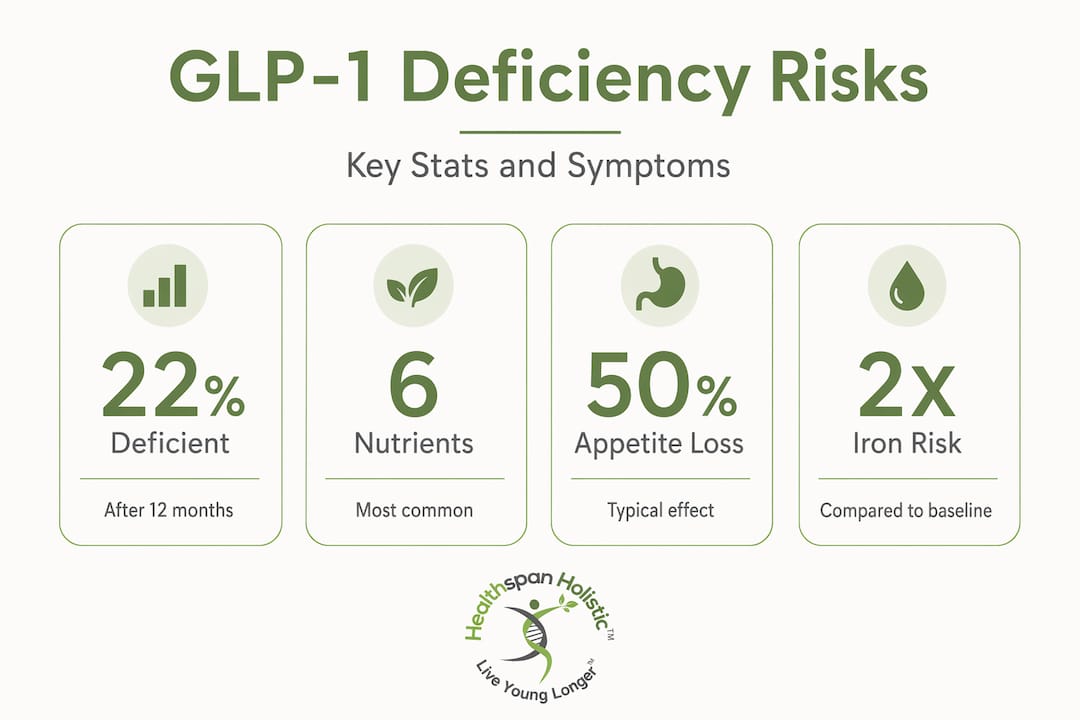
The research on this topic has grown significantly, and the numbers are worth paying attention to. Nutritional deficiencies increase steadily during GLP-1 therapy, with 12.7% of users developing deficiencies by 6 months and 22.4% by 12 months. That’s nearly one in four people within a year.
Which nutrients are most at risk?
Vitamin D leads the list by a wide margin. Vitamin D deficiency is the most common among GLP-1 users, rising from 7.5% at 6 months to 13.6% at 12 months in a study of over 461,000 adults. That near-doubling within six months of continued therapy is a clear signal that this isn’t incidental.
Beyond vitamin D, several other nutrients consistently show up in research:
-
Iron and ferritin: Reduced intake and altered gut motility reduce iron absorption, which can lead to fatigue and anemia
-
Vitamin B12: Reduced stomach acid production and lower animal protein intake both impair B12 absorption
-
Calcium and Magnesium: Both require adequate stomach acid and gut transit time for proper uptake
-
Thiamine (B1): Persistent nausea and vomiting, which are common GI side effects, deplete thiamine rapidly
-
Zinc: Reduced meat and shellfish intake on appetite-suppressed diets cuts dietary zinc significantly
| Nutrient | Primary Risk Factor | Common Symptom |
|---|---|---|
| Vitamin D | Reduced fat-soluble absorption | Fatigue, bone pain, low mood |
| Iron/Ferritin | Lower intake, impaired absorption | Fatigue, pale skin, shortness of breath |
| Vitamin B12 | Reduced animal protein intake | Numbness, memory issues, fatigue |
| Magnesium | Impaired gut uptake | Muscle cramps, poor sleep, anxiety |
| Thiamine (B1) | GI side effects and low intake | Cognitive fog, weakness, nerve issues |
| Zinc | Low dietary intake | Slow healing, immune decline |
One distinction worth making: GLP-1 users face a different deficiency profile than bariatric surgery patients. Surgical weight loss creates more severe and immediate deficiencies because it physically alters the gut. No standardized monitoring framework currently exists for GLP-1 therapy the way one does for post-bariatric care, which means the responsibility to monitor proactively falls on you and your care team. For a broader understanding of GLP-1 benefits and risks, including how they compare to surgical approaches, that context is worth reviewing before you make any major decisions.
Monitoring nutrient status while on GLP-1 therapy
Given that functional nutrient deficiencies may not appear on standard lab panels right away, a proactive and individualized approach to testing is the best protection you have. Waiting for symptoms to show up means you’re already behind.
Here’s a practical framework for monitoring:
-
Get baseline labs before or at the start of treatment. This gives you a personal reference point. Test vitamin D (25-OH), ferritin, serum iron, vitamin B12, folate, zinc, and a complete metabolic panel.
-
Repeat key labs at 6 months. This is when early deficiencies begin to show up in the data. Vitamin D and iron are the most likely culprits at this stage.
-
Repeat again at 12 months, or sooner if symptoms appear. Lab monitoring at 6 to 12 months is now backed by 2026 evidence synthesis, which specifically recommends vitamin D, iron/ferritin, B12, folate, and zinc as priority markers.
-
Request risk-stratified assessment based on your personal situation. If you’re over 60, already low in certain nutrients, or eating a restricted diet, your monitoring schedule may need to be more frequent.
-
Don’t rely on symptoms alone. Deficiencies often manifest biochemically before you feel them. Low ferritin, for example, can impair energy and cognition weeks before anemia appears on a blood count.
Pro Tip: Ask your doctor to include a ferritin test alongside a standard iron panel. Serum iron can look normal while ferritin is low, which is an early sign of depleted iron stores that a basic test will miss.
Research shows that even with frequent dietitian visits, nutritional deficiencies remain common in GLP-1 users. This isn’t a reason to skip nutrition counseling. It’s a reason to combine counseling with consistent lab work and not assume that eating well is enough on its own.
Practical nutrition strategies to prevent deficiencies
The good news is that dietary planning, when done thoughtfully, can substantially reduce your deficiency risk. These strategies are grounded in clinical nutrition guidelines and are realistic for the reduced-appetite reality of GLP-1 therapy.
Prioritize protein above all other macronutrients. Protein targets of 80 to 100 grams daily help preserve muscle mass, which is directly at risk when calorie intake drops significantly. Muscle loss in your 50s and 60s has lasting consequences for mobility and metabolic health. Aim for protein-first meals: eggs, Greek yogurt, cottage cheese, lean meats, fish, or legumes at every sitting.
Eat smaller, more frequent meals with high nutrient density. Large meals can trigger nausea on GLP-1 therapy. Four to five smaller meals spaced through the day are easier to tolerate and keep your nutrient intake steady. Focus on foods that deliver maximum nutrition per calorie: leafy greens, fatty fish, eggs, seeds, and legumes.
Hydration deserves its own focus:
-
Drink at least 64 ounces of water daily, more if you’re active
-
Add electrolyte minerals to water if you’re experiencing cramping or fatigue
-
Limit alcohol, which depletes B vitamins and impairs nutrient absorption
-
Herbal teas count toward fluid intake and can soothe GI discomfort
Use fiber strategically. Adequate fiber supports gut motility and helps with the constipation that frequently accompanies GLP-1 therapy. However, high-fiber supplements taken at the wrong time can bind to minerals like iron and zinc and reduce their absorption. Take mineral supplements or eat high-mineral foods at least two hours apart from high-fiber supplements.
Pro Tip: Work with a registered dietitian who understands GLP-1 therapy, not just general weight loss nutrition. The caloric restriction that comes with these medications creates a nutrient gap that requires specific planning, not standard low-calorie diet advice. Exploring personalized supplementation can also help fill gaps that diet alone may not cover.
Recognizing early deficiency signs and managing side effects
There’s an important distinction between not eating enough of a nutrient and actually becoming deficient at the cellular level. Appetite suppression often reduces intake weeks or months before your bloodwork shows a problem. This is why proactive monitoring matters more than waiting to feel off.
Signs that may signal early deficiency include:
-
Fatigue that doesn’t improve with rest (often iron, B12, or vitamin D)
-
Muscle cramps or twitching at night (magnesium or calcium)
-
Brain fog, memory lapses, or difficulty concentrating (B12 or thiamine)
-
Slow wound healing or frequent illness (zinc or vitamin C)
-
Bone pain or low back discomfort (vitamin D)
GI side effects like nausea and constipation create a feedback loop that’s worth interrupting early. Nausea leads to eating less. Eating less worsens fatigue. Fatigue reduces motivation to eat well. The cycle compounds quickly, and it’s one of the main drivers of nutritional decline in GLP-1 users.
Practical ways to break that cycle:
-
Eat at the first sign of mild hunger, even if the window is small
-
Ginger tea and small crackers can reduce nausea enough to allow a protein-rich snack
-
Speak with your provider about dose adjustments if nausea is severe or persistent
-
Support your gut health proactively to reduce GI disruption and improve nutrient uptake
Seek professional support if GI side effects prevent adequate eating for more than a few days, or if you notice multiple deficiency symptoms appearing together. Nutritional counseling at this stage can recalibrate your intake plan and may even support dose management to reduce muscle loss risk.
My perspective on managing this better
I’ve worked with enough adults in the 50 to 70 age range on GLP-1 therapy to notice a pattern. Most of them are doing the work: eating cleaner, exercising more, staying consistent with their medication. But very few of them had a nutritional monitoring plan from the start. Their prescribers focused on dose titration and blood sugar, and nobody flagged the quiet depletion happening in the background.
What concerns me most is the assumption that because these aren’t surgical interventions, the nutrient risks are minimal. They’re not. A 22% deficiency rate at 12 months, even in people actively working with dietitians, tells you that the standard of care is behind where it needs to be.
My honest take: treat nutritional monitoring on GLP-1s the way we treat it after bariatric surgery. That means baseline labs, scheduled repeat testing, targeted supplementation, and a dietitian relationship that extends beyond the first three months. Harvard Health experts are now calling deficiencies a common consequence of this therapy, not a rare complication.
The weight loss wins are real. But your long-term energy, bone density, immune function, and cognitive sharpness depend on nutrients that don’t get replaced by the scale moving in the right direction. You deserve both outcomes.
— Chris
Support your nutrition while on GLP-1 therapy
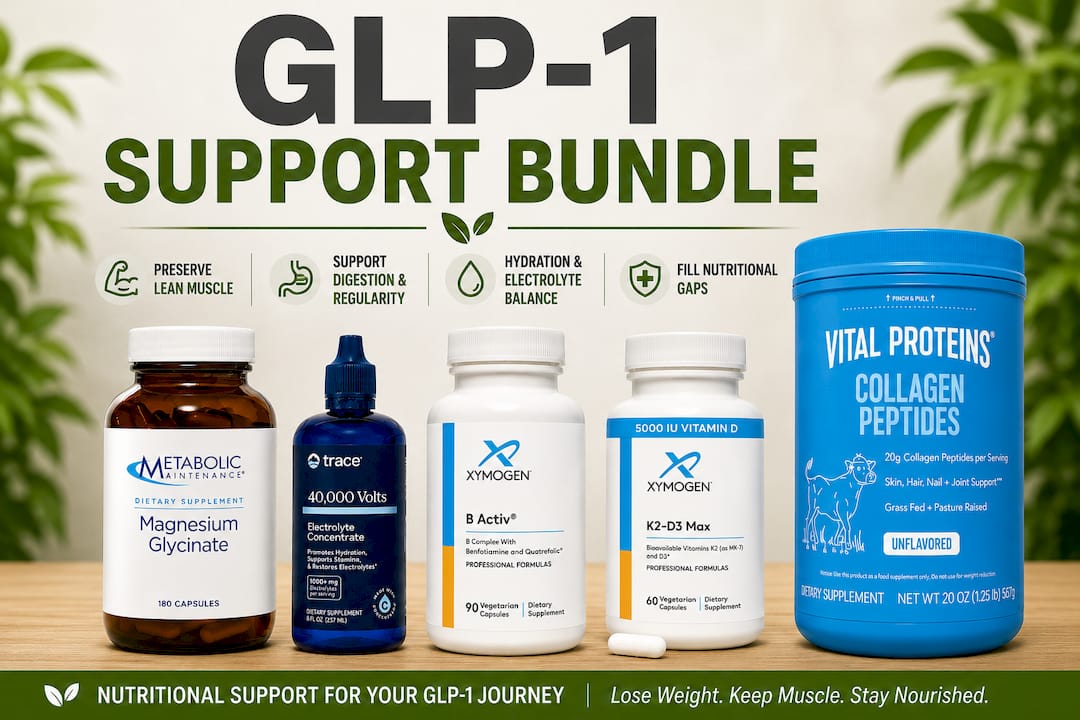
At Healthspan Holistic, we believe that sustainable weight loss and vibrant health go hand in hand. If you’re on a GLP-1 medication, our GLP-1 Support Bundle is designed to address the exact gaps this therapy creates.
1st Time Customers can take advantage of our BUY 1, GET 1 50% OFF on all supplements.
Want guidance on which nutrients to prioritize for your specific situation? Explore our longevity supplement guide or connect with a Healthspanholistic coach for personalized support.
FAQ
What nutrient deficiencies are most common with GLP-1s?
Vitamin D is the most frequently deficient nutrient, followed by iron, vitamin B12, magnesium, thiamine, and zinc. These develop primarily because GLP-1s reduce food intake and slow gastric emptying.
How soon do deficiencies develop on GLP-1 therapy?
Deficiencies can begin appearing within 6 months. Research shows 12.7% of users have deficiencies by 6 months and 22.4% by 12 months.
What labs should I test while on a GLP-1 medication?
Get baseline and repeat testing for vitamin D (25-OH), ferritin, serum iron, vitamin B12, folate, and zinc. Repeat at 6 and 12 months, or sooner if symptoms appear.
Can I get enough nutrients from diet alone on GLP-1 therapy?
Diet-first is the right approach, but it is often not sufficient on its own. Reduced appetite limits total intake, and targeted supplementation based on your personal lab results is frequently necessary.
Do GLP-1 side effects make nutrient deficiencies worse?
Yes. Nausea and constipation reduce how much you eat, which compounds nutrient gaps. Managing GI side effects early through nutrition counseling and gut support can interrupt this cycle before it becomes a deficiency.
Leave a comment: