

TL;DR:
- Thymogen alpha 1 peptide includes two distinct compounds with different evidence and legal statuses. Thymosin Alpha-1 has extensive clinical support for immune conditions, while Thymogen remains less proven in humans. Proper identification and medical supervision are essential for safe, effective use in longevity or immune health strategies.
Thymogen alpha 1 peptide is defined as an immune-modulating bioactive compound derived from thymic tissue, used to restore immune function and support recovery in adults with compromised immunity. The term actually covers two distinct peptides that researchers and marketers frequently conflate: Thymogen, a simple two-amino-acid dipeptide, and Thymosin Alpha-1, a 28-amino-acid polypeptide with an extensive clinical record. Understanding which compound you are researching matters enormously, because their structures, regulatory approvals, and evidence bases differ in fundamental ways. For adults aged 40–75 exploring peptide therapy support for immune health and longevity, getting this distinction right is the first step toward making an informed decision.
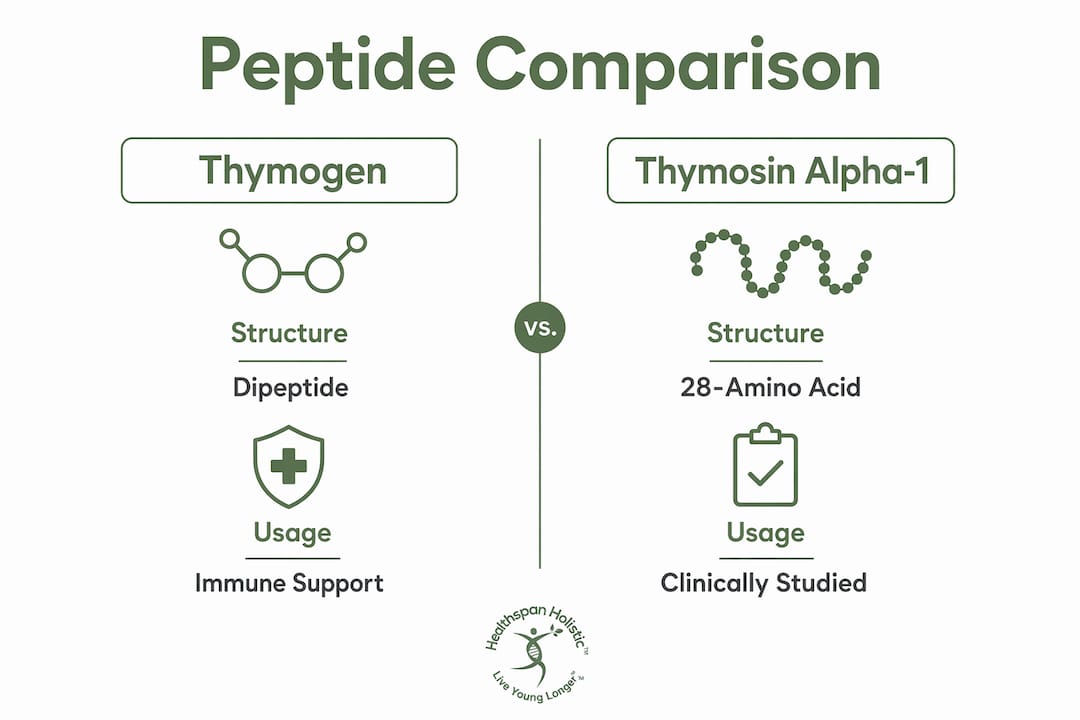
What is the difference between Thymogen and Thymosin Alpha-1?
The phrase “thymogen alpha 1 peptide” is often a marketing term that combines two chemically distinct compounds under one label. That conflation creates real confusion when you are trying to evaluate research, source a product, or discuss options with a physician.
Thymogen is a dipeptide composed of just two amino acids: glutamic acid and tryptophan (Glu-Trp). It was developed by Russian researcher Vladimir Khavinson and registered as a pharmaceutical drug in Russia in 1990. Thymogen is the only Khavinson bioregulator with full pharmaceutical drug status, which gives it a unique standing among peptide bioregulators. Its mechanism centers on stimulating T-lymphocyte maturation and modulating cytokine production at a very basic molecular level.
Thymosin Alpha-1, sold under the brand name Zadaxin, is a far larger molecule. Its 28-amino-acid chain gives it a molecular weight roughly 14 times greater than Thymogen. Approved in over 35 countries for hepatitis B, hepatitis C, and immune reconstitution, Thymosin Alpha-1 has decades of human clinical data behind it. It works by activating dendritic cells, natural killer cells, and T-helper cells through Toll-like receptor pathways.
| Feature | Thymogen (Glu-Trp) | Thymosin Alpha-1 |
|---|---|---|
| Structure | 2-amino-acid dipeptide | 28-amino-acid polypeptide |
| Origin | Russian pharmaceutical research | Natural thymic hormone |
| Regulatory status | Approved in Russia since 1990 | Approved in 35+ countries; not FDA approved |
| Primary mechanism | T-lymphocyte stimulation | Dendritic cell and NK cell activation |
| Human clinical trials | Limited; mostly animal data | 400+ studies, 50+ RCTs |
| Available forms | Injectable, nasal spray, topical cream | Subcutaneous injection |
Pro Tip: When a product label or website uses “thymogen alpha 1” without specifying which compound it contains, ask directly whether it is the Glu-Trp dipeptide or the 28-amino-acid Thymosin Alpha-1. The answer changes everything about dosing, evidence, and legal access.
What does clinical evidence say about thymogen alpha 1 peptide benefits?
The evidence base for these two peptides is dramatically unequal, and that gap matters when you are weighing real benefits against marketing claims.
For Thymosin Alpha-1, the clinical record is genuinely impressive. More than 400 human studies and over 50 randomized controlled trials support its use in chronic hepatitis B, hepatitis C, and as an adjunct in cancer treatment. Meta-analyses confirm significant benefits in hepatitis B clearance and sepsis survival. That body of evidence spans decades and multiple continents, which makes Thymosin Alpha-1 one of the most thoroughly studied immune peptides available.
For Thymogen, the picture is more cautious. A controlled rat study showed a 10% maximum lifespan extension and a 1.7-fold reduction in malignant tumor incidence, with a 3.4-fold reduction in hematopoietic malignancies. Those numbers are striking. They have never been independently replicated or confirmed in human clinical trials, so they represent a promising signal rather than proven human benefit.
Core documented benefits and indications for alpha 1 peptide therapy include:
-
Hepatitis B and C treatment: Thymosin Alpha-1 reduces viral load and improves immune clearance in chronic hepatitis patients.
-
Cancer adjunct therapy: Used alongside chemotherapy to reduce immune suppression and improve treatment tolerance.
-
Sepsis survival: Clinical data shows improved outcomes in critically ill patients with sepsis.
-
Post-infection immune recovery: Thymogen is approved in Russia for recovery after frequent infections and post-surgical immune suppression.
-
Chemotherapy immune support: Both compounds are used to restore white blood cell counts after cytotoxic treatment.
Longevity claims for healthy adults remain speculative. Claims about lifespan extension in healthy people are not supported by rigorous human trials. That does not make these peptides uninteresting for longevity-focused adults. It means you should approach them as immune support tools with a strong safety record, not as proven life-extension drugs.
How is thymogen alpha 1 peptide administered and what are dosing protocols?
Dosing and administration differ significantly between the two compounds, and using the wrong protocol is both ineffective and potentially unsafe.
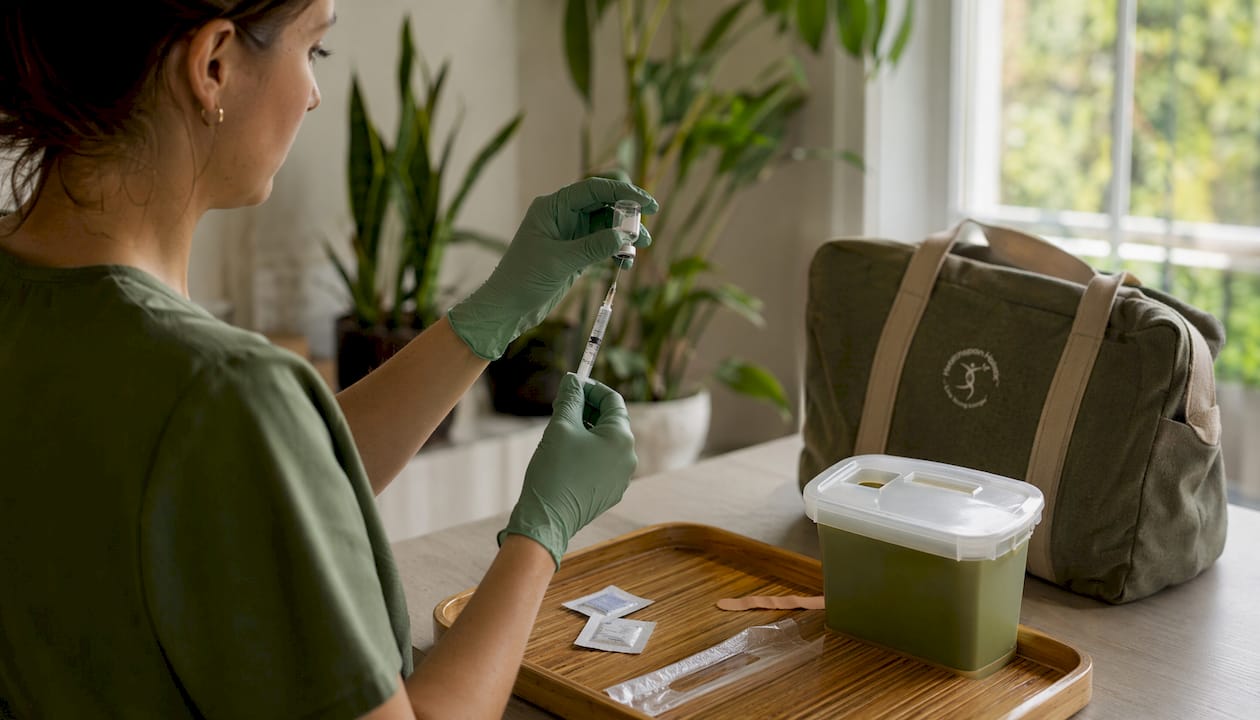
For Thymosin Alpha-1, the internationally standardized clinical dose is 1.6 mg subcutaneously twice weekly for 3 to 6 months. This protocol was established through the clinical trials that earned Zadaxin its approvals in 35+ countries. Physicians managing hepatitis or oncology patients follow this schedule closely. Some longevity-focused protocols use lower doses on a less frequent schedule, but those approaches are not backed by the same level of evidence.
Thymogen offers more flexibility in delivery. Available as a capsule, an injectable, intranasal spray, and topical cream since its 1990 Russian approval, it suits patients who prefer non-injection routes. The intranasal form is particularly practical for immune maintenance between illness episodes.
Key safety considerations include:
-
Injection-site reactions occur in 3–8% of patients using Thymosin Alpha-1; these are mild and self-resolving.
-
Autoimmune caution: Patients with autoimmune conditions face a theoretical risk of immune activation. Physician supervision is non-negotiable for this group.
-
No serious adverse events have been reported at standard doses across decades of Thymosin Alpha-1 use.
-
Drug interactions: Both peptides may interact with immunosuppressive medications; always disclose full medication lists to your prescribing physician.
Pro Tip: Rotate subcutaneous injection sites between the abdomen, thigh, and upper arm. Consistent rotation reduces localized tissue irritation and keeps absorption rates steady across a treatment course.
What are the regulatory and sourcing challenges in the United States?
Navigating the legal status of these peptides in the US requires clarity, because the rules are genuinely complex and have real consequences for access.
Thymogen carries full pharmaceutical drug approval in Russia, where it has been used clinically since 1990. Thymosin Alpha-1 holds FDA orphan drug designation but is not FDA approved for general market use. Critically, Thymosin Alpha-1 is prohibited from 503A compounding pharmacies in the US. That prohibition means the most common route Americans use to access research peptides is legally closed for this compound.
| Region | Thymogen Status | Thymosin Alpha-1 Status |
|---|---|---|
| Russia | Approved pharmaceutical drug | Not specifically registered |
| 35+ countries (international) | Not widely registered | Approved for hepatitis B/C |
| United States | Not FDA approved | Orphan drug designation; not FDA approved; 503A compounding banned |
| Clinical trial access | Limited | Available through registered trials |
The practical result is that US-based adults have limited legal pathways. Clinical trial enrollment is one legitimate route. Physician-supervised use through 503B outsourcing facilities is another, though access remains restricted. Purchasing from unregulated online sources carries serious risks: product purity, concentration accuracy, and sterility cannot be verified without pharmaceutical-grade testing. The FDA peptide regulatory landscape shifted again in 2026, tightening oversight further. Work with a licensed physician who understands peptide regulations before sourcing either compound.
How can thymogen alpha 1 peptide fit into a longevity regimen for adults 40–75?
Peptide therapy works best as one layer in a broader health strategy, not as a standalone intervention. Adults in the 40–75 age range typically see the most benefit when they pair immune-focused peptides with foundational lifestyle practices.
Recommended best practices for integrating alpha 1 peptide therapy:
-
Get baseline immune labs first. A complete blood count, lymphocyte subset panel, and inflammatory markers give you a starting point. You cannot measure improvement without knowing where you began.
-
Work with a physician who specializes in peptide therapy. General practitioners may not be familiar with these compounds. Seek out integrative medicine or longevity-focused clinicians.
-
Combine with proven immune-support nutrients. Vitamin D3, zinc, and a quality multivitamin supplement support the same immune pathways these peptides target.
-
Retest at 3 months. Thymosin Alpha-1 protocols run 3 to 6 months. Repeat your baseline labs at the midpoint to assess response.
-
Address sleep and stress in parallel. Chronic sleep deprivation and elevated cortisol suppress T-cell function directly. Peptide therapy cannot fully compensate for a lifestyle that undermines immune health.
-
Consider stacking with other regenerative peptides only under medical guidance. Some protocols combine Thymosin Alpha-1 with BPC-157 or TB-500 for broader recovery support, but evidence for combination protocols is limited.
Realistic expectations matter here. Most adults using Thymosin Alpha-1 for immune support report fewer infections and faster recovery within the first treatment cycle. Measurable changes in longevity biomarkers take longer and require consistent monitoring to interpret meaningfully.
Key Takeaways
Thymogen alpha 1 peptide refers to two distinct compounds with very different evidence bases, and choosing the right one requires understanding both their biochemistry and their legal status.
| Point | Details |
|---|---|
| Two distinct peptides | “Thymogen alpha 1” covers both the Glu-Trp dipeptide and the 28-amino-acid Thymosin Alpha-1; they are not interchangeable. |
| Thymosin Alpha-1 has the strongest evidence | Over 400 human studies and 50+ RCTs support its use in hepatitis and cancer adjunct therapy. |
| Longevity claims remain speculative | Animal data for Thymogen is promising, but no human trials confirm lifespan extension in healthy adults. |
| US access is legally restricted | Thymosin Alpha-1 is banned from 503A compounding; physician supervision and clinical trial access are the safest legal routes. |
| Pair with lifestyle and labs | Baseline immune testing, quality nutrition, and sleep optimization amplify the benefits of any peptide protocol. |
My honest assessment of thymogen alpha 1 peptide for immune health
I have spent a lot of time reviewing peptide research and working with adults who want real answers, not hype. My honest view is that Thymosin Alpha-1 is one of the most credible immune peptides available, precisely because its evidence base is so much larger than most compounds in this space. The hepatitis and sepsis data are not marginal findings. They represent decades of serious clinical work across multiple countries.
What I find frustrating is the marketing noise around “thymogen alpha 1” as a single product. Conflating a two-amino-acid dipeptide with a 28-amino-acid polypeptide is not a minor labeling issue. It leads people to buy products without knowing what they are actually taking. That is a problem I see repeatedly, and it is entirely avoidable with a little due diligence.
For adults aged 40–75, I think the most honest framing is this: these peptides are genuinely useful tools for immune restoration, particularly after illness, surgery, or chemotherapy. The longevity angle is real but unproven in humans. If you approach them as immune support with a strong safety record, you are on solid ground. If you approach them as a proven life-extension therapy, you are getting ahead of the science.
The regulatory situation in the US is genuinely difficult. Work with a physician who knows this space. Do not source from unverified online vendors. And do not skip your baseline labs. The data you collect before, during, and after a protocol is what turns a hopeful experiment into a meaningful health decision.
— Chris
Supporting your immune health with Healthspan Holistic
Check out the Thymogen Alpha-1 that we carry from Integrative Peptides. If you are serious about immune support and longevity, peptide research is one piece of a larger picture. Healthspan Holistic’s 90 Day Journey to Longevity program gives you the structure to combine lab testing, personalized coaching, and targeted supplementation into a plan that actually moves your health forward.
 1st Time Customers can take advantage of our BUY 1 GET 1 50% OFF special offer on all supplements.
FAQ
What exactly is thymogen alpha 1 peptide?
The term refers to two distinct compounds: Thymogen, a two-amino-acid dipeptide (Glu-Trp), and Thymosin Alpha-1, a 28-amino-acid polypeptide. They differ in structure, mechanism, and regulatory status, and should not be treated as the same product.
How does Thymosin Alpha-1 work in the body?
Thymosin Alpha-1 activates dendritic cells, natural killer cells, and T-helper cells through Toll-like receptor pathways, strengthening the body’s ability to identify and clear pathogens and abnormal cells.
What is the standard thymogen alpha dosage for Thymosin Alpha-1?
The internationally standardized clinical dose is 1.6 mg subcutaneously twice weekly for 3 to 6 months, a protocol established through clinical trials supporting its approval in over 35 countries.
Is thymogen alpha 1 peptide legal in the United States?
Thymosin Alpha-1 holds FDA orphan drug designation but is not FDA approved and is banned from 503A compounding pharmacies. Legal access in the US is limited to clinical trials and select 503B outsourcing facilities under physician supervision.
Can adults over 40 use alpha 1 peptide therapy for longevity?
Thymosin Alpha-1 has a strong safety record and documented immune benefits, but longevity claims in healthy adults are not yet supported by rigorous human trials. It is best used as an immune support tool within a broader, medically supervised health program.
Leave a comment: