

TL;DR:
Taking supplements without testing for deficiencies can lead to unnecessary risks and harm.
Proper timing, accurate dosing, and avoiding harmful interactions are essential for safe supplementation.
Supplement misuse is defined as taking nutrients without confirmed deficiency, at incorrect doses, or in combinations that block absorption. About 75% of Americans take dietary supplements, yet most do so without a blood test or professional guidance. The top 10 supplement mistakes most people make range from ignoring timing rules to stacking products with overlapping ingredients. For adults over 45, these errors carry real consequences: wasted money, reduced benefits, and in some cases, genuine harm to your liver, nerves, or cardiovascular system. Getting this right starts with knowing exactly where things go wrong.
1. Taking supplements without testing for deficiency first

The most common supplementation error is taking nutrients you may not need. Blood testing for Vitamin D, iron, and B12 before you start any regimen is the standard recommendation from clinical nutritionists. Without a baseline, you are guessing. And guessing with fat-soluble vitamins like A, D, E, and K is genuinely risky because your body stores them rather than flushing out the excess.
“Just in case” supplementation is one of the biggest errors in supplementation. Excess vitamin A, for example, accumulates in liver tissue and causes toxicity over months. A simple blood panel from Healthspan Holistic’s functional nutrition checklist takes the guesswork out entirely.
-
Test Vitamin D, B12, iron, and magnesium before starting any new supplement
-
Retest every 3–6 months to track whether levels are improving
-
Never assume a deficiency based on symptoms alone
Pro Tip: Ask your doctor for a 25-hydroxyvitamin D test, not just a standard vitamin D panel. The 25-OH test gives a far more accurate picture of your true storage levels.
2. Misreading labels and getting the dose wrong
Label dosing is one of the most misunderstood aspects of supplementation. The dosage on a supplement label often reflects the total tablet weight, not the active elemental amount of the nutrient inside. An iron tablet labeled “325 mg” may contain only 65 mg of elemental iron. That gap matters enormously when you are trying to correct a deficiency.
The same principle applies to magnesium. Magnesium oxide contains a high percentage of elemental magnesium by weight, but it absorbs poorly compared to magnesium glycinate or citrate. You could take a product that looks high-dose on paper and still remain deficient.
-
Always check the “Supplement Facts” panel for the elemental amount, not just the compound weight
-
Compare the form of the nutrient (glycinate vs. oxide, for example) to understand bioavailability
-
Consult a pharmacist or health coach if the label language is unclear
Pro Tip: For iron supplements specifically, look for the milligrams of elemental iron listed in parentheses on the Supplement Facts panel. That number is what your body actually uses.
3. Ignoring dangerous supplement-drug interactions
Supplements interact with medications in ways that most people never anticipate. Vitamin K reduces the effectiveness of blood thinners like warfarin. St. John’s Wort accelerates the breakdown of antidepressants, birth control pills, and HIV medications. These are not rare edge cases. They are documented, clinically significant interactions that affect millions of adults.
Natural herbal supplements, though widely perceived as safe, carry the same interaction risks as pharmaceutical drugs. Fish oil at high doses increases bleeding risk, especially for anyone already on anticoagulants. Always disclose every supplement you take to your pharmacist and physician, including products you consider “natural.”
4. Taking competing nutrients at the same time
Timing is one of the most overlooked supplement pitfalls. Iron and calcium compete for the same gut absorption channels, so taking them together drastically reduces how much iron your body actually absorbs. The same applies to magnesium and calcium. Spacing these minerals by at least two hours is the standard clinical recommendation.
The table below shows common nutrient pairs that should never be taken together and the preferred spacing:
| Nutrient pair | Problem | Recommended spacing |
|---|---|---|
| Iron + Calcium | Compete for absorption | 2+ hours apart |
| Iron + Coffee or tea | Tannins block iron uptake | 1+ hour apart |
| Zinc + Copper | High zinc depletes copper | Alternate days or separate |
| Magnesium + Calcium | Compete for transport | 2+ hours apart |
Fat-soluble vitamins (A, D, E, K) absorb best when taken with a meal that contains dietary fat. Taking them on an empty stomach significantly reduces their uptake. A small handful of nuts or a meal with olive oil is enough to make a real difference.
5. Getting melatonin timing wrong
Melatonin is one of the most widely misused supplements among adults over 45. Most people take it right before bed, expecting it to act like a sedative. Melatonin works by signaling your circadian rhythm, not by inducing immediate sleep. Taking it too late means it has little time to shift your body clock before you need to fall asleep.
The correct approach is to take melatonin 60–90 minutes before your target sleep time, at a low dose (0.5–1 mg is often sufficient). High doses (5–10 mg) are common in commercial products but are not supported by the evidence for most adults. More is not better here.
6. Stacking supplements with overlapping ingredients
Supplement stacking is the practice of taking multiple products simultaneously, and it creates a hidden toxicity risk. Duplicating ingredients across supplements can push certain nutrients well above safe upper limits. Excessive vitamin B6, for example, causes peripheral neuropathy, a form of nerve damage that produces tingling and numbness in the hands and feet.
The most common stacking trap is taking a multivitamin alongside individual supplements. Your multivitamin already contains vitamin A, B6, zinc, and iron. Adding separate products for each of these compounds the dose without you realizing it. Review every product label and add up the totals before you commit to a stack.
-
List every supplement you take and calculate the total daily dose of each nutrient
-
Compare totals against the Tolerable Upper Intake Level (UL) set by the National Institutes of Health
-
Introduce new supplements one at a time so you can identify any adverse reactions
7. Choosing products with proprietary blends
Proprietary blends are formulas where the manufacturer lists a group of ingredients under one umbrella name without disclosing individual amounts. You see a list of impressive ingredients, but you have no way to know whether each one is present at a therapeutic dose or a token amount included for marketing purposes.
Third-party tested supplements with clinical trial support give you far greater confidence in label accuracy and actual efficacy. Look for certifications from NSF International, USP (United States Pharmacopeia), or Informed Sport on the label. These organizations test products independently and verify that what is on the label is actually in the bottle.
8. Expecting results too quickly and stopping too soon
Supplements are not pharmaceuticals. They do not produce effects within hours or even days. Consistent use over weeks is what allows nutrients to restore depleted stores and produce measurable changes in energy, mood, or lab values. Stopping after two weeks because you “don’t feel anything” is one of the most common supplement pitfalls.
Vitamin D levels, for example, typically take 8–12 weeks of consistent supplementation to normalize in someone who is deficient. Magnesium can take 4–6 weeks to produce noticeable improvements in sleep quality. Set a realistic timeline and retest your levels before drawing conclusions.
9. Overlooking supplement-related liver damage risk
Herbal and dietary supplements cause 20% of drug-induced liver damage cases in the United States. High-dose vitamin A, ashwagandha, and green tea extract are among the most frequently implicated products. This is a significant public health finding. It means the supplement aisle carries real hepatotoxic risk, not just theoretical concern.
Adults over 45 who already have metabolic conditions, elevated liver enzymes, or take multiple medications face a higher baseline risk. If you take more than four supplements daily, a metabolic panel that includes liver function markers is a sensible annual check.
10. Letting social media replace professional guidance
Social media has become the primary source of supplement recommendations for millions of adults. Influencer-driven supplement advice is rarely grounded in peer-reviewed research, and it frequently promotes high-dose, multi-ingredient products that carry the exact risks described above. The “more is better” mindset is the single most dangerous top supplement misconception circulating online today.
The evidence-based approach to supplementation starts with your own lab data, not someone else’s before-and-after photos. Work with a qualified health coach or clinician who can interpret your blood work and build a regimen specific to your biology, age, and health goals.
Key Takeaways
Avoiding common supplement errors requires testing first, reading labels carefully, and respecting the timing and interaction rules that govern how nutrients actually work in your body.
| Point | Details |
|---|---|
| Test before you supplement | Blood panels for Vitamin D, B12, iron, and magnesium prevent unnecessary or harmful dosing. |
| Read elemental amounts | Label weight is not the same as active nutrient dose; always check the Supplement Facts panel. |
| Space competing minerals | Iron, calcium, and magnesium block each other’s absorption when taken together. |
| Avoid ingredient duplication | Stacking a multivitamin with individual supplements can push B6, A, and zinc to toxic levels. |
| Choose third-party tested products | NSF, USP, or Informed Sport certification confirms label accuracy and product safety. |
What I’ve learned from watching people supplement the wrong way
I’ve worked alongside adults in their 50s and 60s who arrive with bags full of supplements and no blood work to justify a single one. The pattern repeats itself constantly. Someone reads about the benefits of vitamin D supplementation, starts taking 5,000 IU daily without testing, and wonders six months later why they feel no different. The answer is almost always that their levels were already adequate, or that they were taking the wrong form, or that a competing nutrient was blocking absorption.
What I find most striking is how rarely people connect their supplement routine to their symptoms. Nerve tingling, fatigue, and digestive upset are common complaints in this age group. A surprising number of those cases trace back to excess B6, iron overload, or a poorly timed magnesium dose. The body keeps score even when you are not paying attention.
My honest advice is this: treat your supplement regimen the way you would treat a medication protocol. Start one product at a time. Test before and after. Give each supplement a fair runway of 8–12 weeks before evaluating. And never let a trending product replace a conversation with someone who has actually read your lab results.
The adults I see thriving in their 60s and 70s are not taking the most supplements. They are taking the right ones, at the right doses, at the right times, based on their own data.
— Chris
How Healthspan Holistic helps you supplement with confidence
Getting your supplement routine right starts with knowing what your body actually needs.
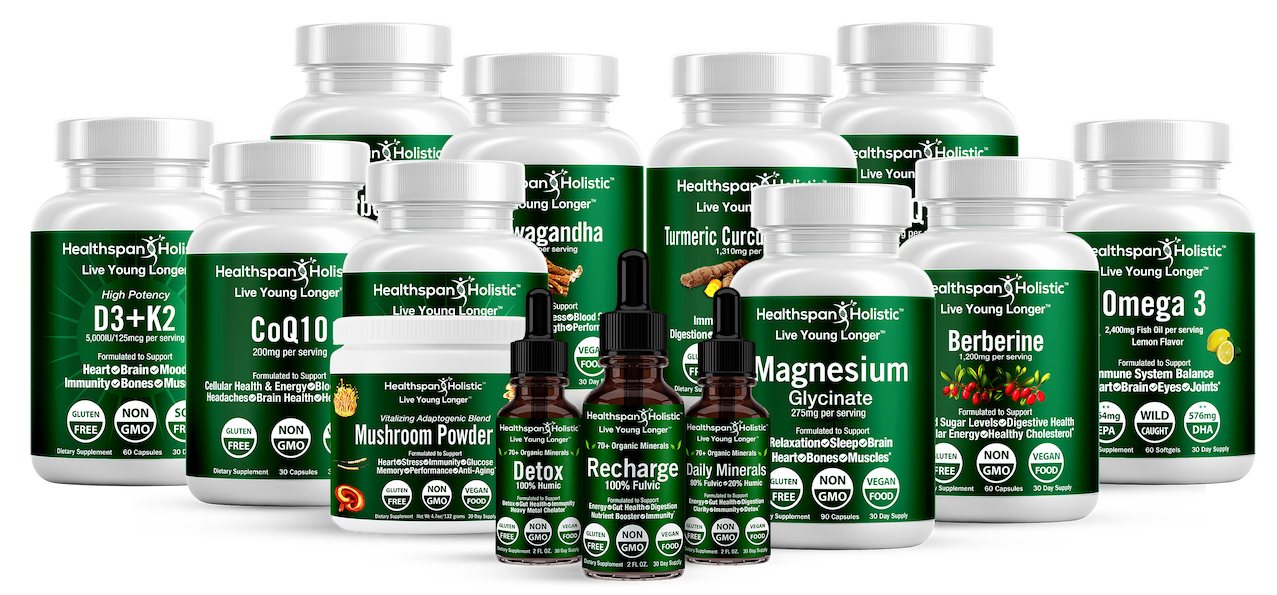
Healthspan Holistic’s 90 Day Journey to Longevity pairs professional-grade supplements with personalized health coaching and lab testing, so every product in your regimen is backed by your own blood data. You can also run a targeted Magnesium RBC test to detect deficiency before you ever open a bottle. For a broader picture of your mineral status, the Toxic & Essential Minerals Test screens for both deficiencies and dangerous accumulations in one panel.
1st Time Customers can take advantage of our BUY 1 GET 1 50% OFF special offer on all supplements.
FAQ
What are the most common supplement mistakes to avoid?
The most common errors are taking supplements without confirmed deficiency, misreading label doses, ignoring drug interactions, and stacking products with overlapping ingredients. Blood testing before you start is the single most effective way to avoid all of these pitfalls.
How do I know if I need a vitamin D supplement?
A 25-hydroxyvitamin D blood test is the only reliable way to confirm deficiency. Symptoms like fatigue and muscle weakness overlap with dozens of other conditions, so testing is the only accurate guide.
Can taking too many supplements damage your liver?
Yes. Herbal and dietary supplements account for 20% of drug-induced liver damage cases. High-dose vitamin A, green tea extract, and ashwagandha are among the most frequently linked products.
When is the best time to take iron supplements?
Take iron on an empty stomach or with a small amount of vitamin C to improve absorption. Avoid taking iron with calcium or coffee, and space it at least two hours away from other minerals.
How long does it take for supplements to work?
Most supplements require 4–12 weeks of consistent daily use before producing measurable changes in lab values or noticeable improvements in energy and sleep. Stopping too early is one of the most common reasons people conclude a supplement “doesn’t work.”
Leave a comment: