

TL;DR:
- The thyroid controls metabolism, energy, mood, and body temperature through hormone production.
- Imbalances like hypothyroidism and hyperthyroidism cause fatigue, weight changes, and mood shifts.
- Holistic strategies including diet, nutrients, and lifestyle modifications can support thyroid health.
Your thyroid is far more than a weight-control switch. This small, butterfly-shaped gland in your neck quietly orchestrates your energy, mood, body temperature, and metabolism every single day. For adults between 40 and 75, even subtle shifts in thyroid function can mean the difference between waking up refreshed and dragging yourself through the afternoon. Poor thyroid function slows your basal metabolic rate, which explains why fatigue and weight changes can persist even when you eat well and exercise regularly. This guide breaks down exactly how your thyroid works, what warning signs to watch for, and which holistic strategies can genuinely help you restore your energy and feel like yourself again.
Key Takeaways
| Point | Details |
|---|---|
| Thyroid drives energy | Thyroid hormones set your metabolic rate, directly affecting how energetic you feel. |
| Weight changes signal thyroid | Unexpected weight gain or loss may be linked to thyroid function, not just diet. |
| Test before treating | Comprehensive thyroid labs and symptom tracking are key before making decisions about medication or supplements. |
| Holistic strategies work | Diet, nutrients, and lifestyle changes can meaningfully improve thyroid health and lower inflammation. |
| Lab numbers aren’t everything | Symptoms and life patterns may indicate thyroid issues earlier than blood tests. |
What is thyroid health? The basics explained
Now that we’ve previewed the importance of thyroid health, let’s break down how it actually works from hormones to energy.
Your thyroid sits just below your Adam’s apple and wraps around your windpipe like a small butterfly. Despite its modest size, it produces hormones that influence virtually every cell in your body. When it functions well, you feel energized, maintain a stable weight, and think clearly. When it doesn’t, everything from your heart rate to your digestion can feel off.

The key hormones and how they work
The thyroid produces two primary hormones: thyroxine (T4) and triiodothyronine (T3). T4 is considered a prohormone, meaning it’s inactive until your body converts it into T3, the active form that actually drives metabolic activity. Think of T4 as the raw fuel and T3 as the ignition. According to the HPT axis mechanics, your hypothalamus signals the pituitary gland to release TSH (thyroid stimulating hormone), which then tells your thyroid how much T4 and T3 to produce. This feedback loop is called the hypothalamic-pituitary-thyroid (HPT) axis, and it’s constantly adjusting to keep your hormone levels in balance.
Here’s what can go wrong:
- Hypothyroidism (underactive thyroid): Your thyroid produces too little hormone. Your metabolism slows, energy drops, and weight tends to creep up even without changes to your diet.
- Hyperthyroidism (overactive thyroid): Your thyroid produces too much hormone. Your metabolism speeds up, you may feel anxious or restless, and weight can drop unexpectedly.
- Autoimmune thyroid disease: Conditions like Hashimoto’s thyroiditis cause your immune system to attack the thyroid, gradually impairing its function over time.
“Poor thyroid function slows basal metabolic rate, leading to fatigue even when eating well.”
Pro Tip: Even a small shift in T3 levels, sometimes within the so-called “normal” range, can dramatically affect how energized or sluggish you feel day to day. If your symptoms don’t match your labs, push for a deeper look at your T3 and T4 hormone levels alongside TSH.
What makes thyroid health particularly tricky is that its effects are systemic. Your heart rate, body temperature, skin health, hair growth, digestion, and even your mood are all tied to thyroid hormone activity. For adults over 40, natural hormonal shifts can compound thyroid issues, making symptoms harder to attribute to any single cause. That’s why understanding the basics is the essential first step toward reclaiming your energy and vitality.
How thyroid health shapes energy and weight
Understanding the hormones, let’s see how their imbalances present in daily life, especially for adults concerned about energy and weight.
The connection between your thyroid and how you feel each day is direct and measurable. Your basal metabolic rate (BMR) is the number of calories your body burns at rest just to keep your organs functioning. Thyroid hormones are the primary regulators of BMR. When T3 levels drop, your BMR falls with them. When T3 rises, your BMR accelerates. This is why hypothyroidism reduces energy expenditure and promotes weight gain, while hyperthyroidism increases energy expenditure and can cause unexpected weight loss.
Comparing the two main thyroid disorders
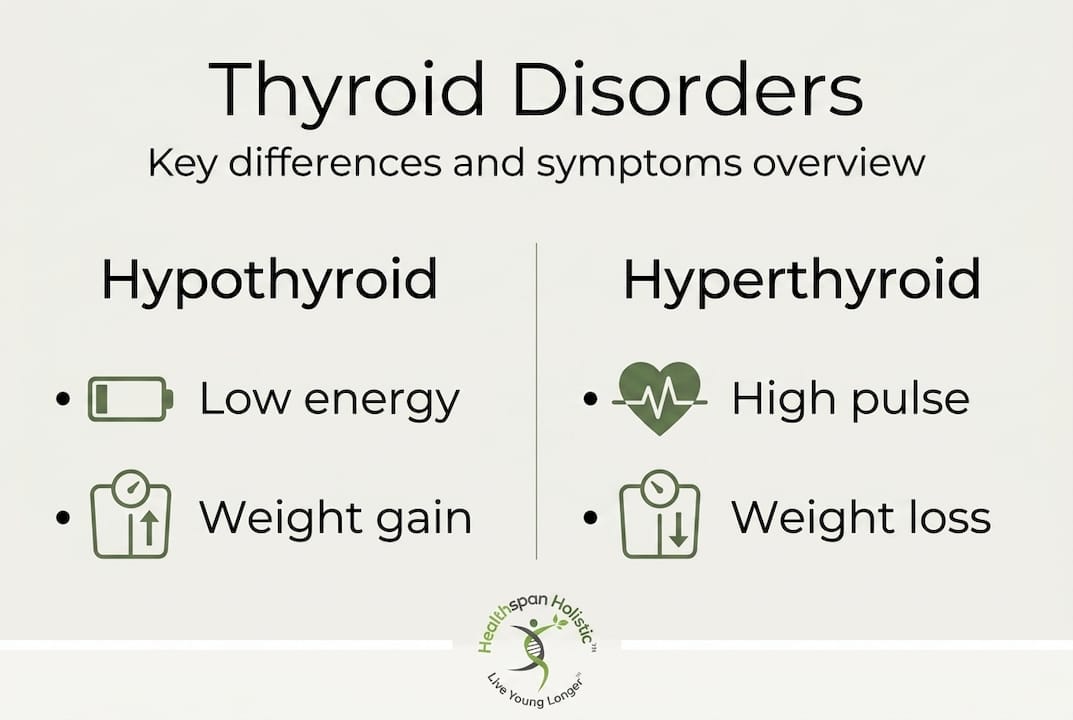
| Feature | Hypothyroidism | Hyperthyroidism |
|---|---|---|
| Energy level | Low, persistent fatigue | High, but often restless |
| Weight trend | Unexplained weight gain | Unexplained weight loss |
| Mood | Depression, brain fog | Anxiety, irritability |
| Heart rate | Slow (bradycardia) | Fast (tachycardia) |
| Typical TSH | High (above 4.0 mU/L) | Low (below 0.4 mU/L) |
| Body temperature | Feeling cold often | Feeling warm or sweating |
Many people with hypothyroidism report doing everything right: eating healthy, exercising, sleeping enough, and still gaining weight or feeling exhausted. That’s not a willpower problem. It’s a metabolic one. Your cells simply aren’t receiving the hormonal signal to burn energy efficiently.
How to recognize thyroid-related energy issues
- Notice if your fatigue is persistent and doesn’t improve with rest or sleep.
- Track any unexplained weight changes over 4 to 6 weeks, even without diet changes.
- Pay attention to cold sensitivity, dry skin, or hair thinning, which are classic low-thyroid signals.
- Monitor your mood for unusual depression, brain fog, or anxiety that feels out of character.
- Schedule testing blood for thyroid markers if two or more of these patterns appear consistently.
An important statistic: An estimated 20 million Americans live with thyroid nodules or goiter, many without a formal diagnosis. Thyroid dysfunction is far more common than most people realize, and it disproportionately affects adults over 40, particularly women. Recognizing the signs early gives you a meaningful head start on managing your health before symptoms become entrenched.
The frustrating reality is that thyroid-related weight gain and fatigue often don’t respond to conventional diet and exercise advice. That’s because the root cause is hormonal, not behavioral. Once you address the thyroid, the other pieces of the puzzle tend to fall into place much more naturally.
How thyroid issues are diagnosed and monitored
If you’re seeing energy and weight changes, here’s how to spot and track thyroid issues with modern lab tests and holistic understanding.
Getting the right diagnosis starts with the right tests. Most doctors begin with a TSH blood test, which measures how hard your pituitary gland is working to stimulate your thyroid. A high TSH generally means your thyroid is underperforming and needs more stimulation. A low TSH suggests it’s overproducing hormones on its own. According to thyroid diagnostic standards, a TSH above 4.0 mU/L typically indicates hypothyroidism, while a TSH below 0.4 mU/L points toward hyperthyroidism.
Standard thyroid lab reference ranges
| Test | Normal Range | Concern Threshold |
|---|---|---|
| TSH | 0.4 to 4.0 mU/L | Above 4.0 (hypo) or below 0.4 (hyper) |
| Free T4 | 0.8 to 1.8 ng/dL | Below 0.8 or above 1.8 |
| Free T3 | 2.3 to 4.2 pg/mL | Below 2.3 (hypo symptoms likely) |
| TPO Antibodies | Below 35 IU/mL | Above 35 suggests autoimmune activity |
TSH alone doesn’t always tell the full story. Free T4 and free T3 tests clarify whether conversion from the inactive to active hormone is working properly. TPO (thyroid peroxidase) antibody tests detect autoimmune activity, which is the underlying driver of Hashimoto’s thyroiditis, the most common cause of hypothyroidism in adults.
Signs to watch for in your lab results:
- TSH creeping above 2.5 mU/L alongside fatigue or weight gain, even if still “normal”
- Low free T3 with normal TSH, which can indicate poor hormone conversion
- Elevated TPO antibodies, even without obvious symptoms
- Fluctuating results from test to test, which may signal early autoimmune activity
Subclinical hypothyroidism is a particularly common finding in adults between 40 and 75. It’s defined as a TSH above the normal range with free T4 still within normal limits. Many people in this category experience real symptoms like mild fatigue, weight resistance, and brain fog, yet are told their labs are “fine.” Diet and metabolic factors, including obesity and high-sugar diets, can also impair thyroid function and skew lab results before any dramatic changes appear.
Pro Tip: Always pair your lab results with your actual symptoms. Numbers exist on a spectrum, and what’s technically “normal” for a population average may not be optimal for you personally. A skilled clinician or health coach will look at both together, not just the numbers in isolation. The immune system and thyroid connection is especially worth exploring if your TPO antibodies are elevated.
Holistic strategies to support thyroid health
After diagnosis, lifestyle and nutrition are often the most effective first steps for thyroid support.
The good news is that your daily choices have a real and measurable impact on thyroid function. You don’t have to wait for a prescription to start supporting your thyroid. Evidence-backed nutrition and lifestyle strategies can reduce inflammation, lower antibody levels, and help your body use thyroid hormones more effectively.
Top foods and nutrients for thyroid health:
- Selenium (found in Brazil nuts, tuna, eggs): Supports the conversion of T4 to active T3 and reduces thyroid inflammation
- Iodine (found in seaweed, dairy, iodized salt): Essential for thyroid hormone production; aim for 150 mcg per day but avoid excess
- Zinc (found in pumpkin seeds, beef, chickpeas): Supports TSH signaling and hormone synthesis
- Iron (found in lentils, spinach, lean meat): Needed for thyroid peroxidase activity, the enzyme that makes thyroid hormones
- Vitamin D (from sunlight, fatty fish, fortified foods): Low vitamin D is linked to autoimmune thyroid disease
- Olive oil, fruits, and vegetables: Core components of an anti-inflammatory eating pattern
The Mediterranean diet is emerging as one of the most evidence-supported eating patterns for thyroid health. It emphasizes whole foods, healthy fats, lean proteins, and a wide variety of colorful produce. Research shows that selenium at 200 mcg per day can reduce TPO antibodies by up to 36%, which is a remarkable result from a single nutrient. When combined with a Mediterranean-style diet, the anti-inflammatory effect is amplified further.
For those with subclinical hypothyroidism, optimizing nutrients before medications is often the recommended first approach. This is especially true when antibody levels are elevated but T4 remains normal. Fruits, vegetables, and olive oil lower systemic inflammation, which directly benefits thyroid tissue.
“Lifestyle changes like Mediterranean eating and targeted supplements can meaningfully lower thyroid inflammation.”
Beyond diet, sleep quality and stress management matter enormously. Chronic stress elevates cortisol, which suppresses TSH and impairs T4-to-T3 conversion. Poor sleep disrupts the hormonal feedback loop that governs thyroid output. These factors are often overlooked in conventional thyroid care but are central to a holistic approach.
If you’re considering personalized supplementation to support your thyroid, starting with vitamin D and selenium is often a smart first move. Products like vitamin D3 + K2 support immune regulation, while metabolic nutrition support can help fill the nutritional gaps that undermine thyroid function.
Pro Tip: Always consult your doctor or holistic health coach before adding supplements, especially for thyroid conditions. Too much iodine, for example, can actually worsen thyroid function in people with autoimmune disease.
A fresh perspective: Why thyroid health is more than lab numbers
Having explored practical holistic strategies, it’s time to consider a different perspective that could reshape how you think about thyroid health.
Conventional medicine has long treated thyroid health as a lab-first, symptoms-second problem. If your TSH falls within the reference range, you’re told you’re fine. But here’s what we’ve observed time and again: many adults notice meaningful changes in their energy, weight, and mood long before their bloodwork flags anything unusual.
There’s a growing body of evidence suggesting that poor diet can impair thyroid function before primary thyroid failure occurs. In other words, the old model of “thyroid fails, then metabolism suffers” may sometimes be reversed. Your metabolic environment, shaped by what you eat, how you sleep, and how you manage stress, can begin to compromise thyroid efficiency even when your labs still look normal.
“Thyroid function is a moving target, often shaped more by diet and lifestyle than numbers alone.”
This matters because it shifts the power back to you. You don’t have to wait for a diagnosis to take meaningful action. Tracking subtle symptoms, noticing energy patterns across the day, and paying attention to how your body responds to dietary shifts are all valuable data points. Pair those observations with your T3/T4 interpretations from lab work, and you get a much fuller picture of where your thyroid health actually stands.
Pro Tip: Keep a simple daily log of your energy levels, mood, and any physical symptoms for 4 to 6 weeks before your next thyroid panel. You’ll walk into that appointment with far more useful information than a single blood draw can provide.
Support your thyroid: Products that help
With holistic strategies in mind, consider these handpicked solutions for supporting your thyroid health.
At Healthspan Holistic, we’ve curated a selection of professional-grade supplements designed specifically to support the thyroid and metabolic health of adults over 40. These aren’t generic products. They’re formulated to address the specific nutritional gaps that research links to thyroid dysfunction.
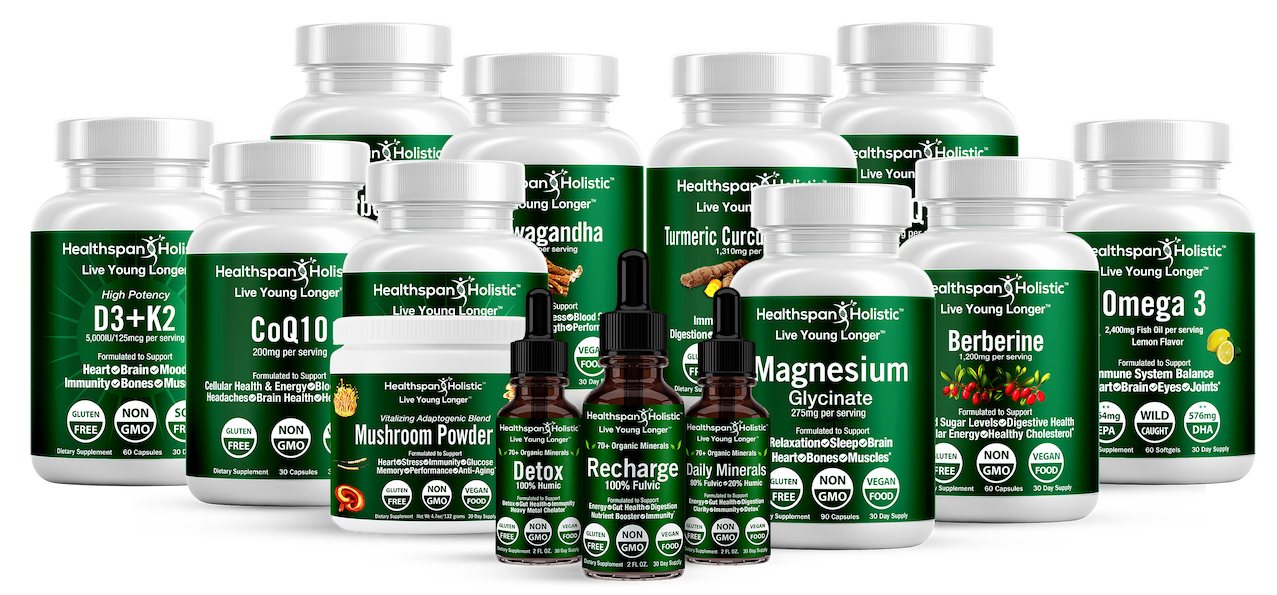
Our Thyrocare for thyroid support provides targeted nutrients to optimize thyroid hormone production and conversion. Our vitamin D3 + K2 capsules help address one of the most common nutrient deficiencies linked to autoimmune thyroid disease. And our metabolic nutrition capsules offer comprehensive support for energy and weight management from the inside out. Each product is a practical, evidence-informed step toward better thyroid health and a more energized life.
Frequently asked questions
What is the thyroid and what does it do?
The thyroid is a butterfly-shaped gland in your neck that produces hormones controlling metabolism, energy, and body temperature, influencing nearly every system in your body.
How can I tell if my thyroid is healthy?
Watch for persistent fatigue, unexplained weight changes, or mood shifts, and confirm with lab tests. TSH, T4, and T3 are the primary diagnostic tools your doctor will use.
Can diet improve thyroid function?
Yes, significantly. A Mediterranean diet and key nutrients like selenium, iodine, zinc, and vitamin D can meaningfully support thyroid hormone production and reduce inflammation.
What are subclinical thyroid issues and should I worry?
Subclinical hypothyroidism means your TSH is elevated but your T4 remains normal. It’s common after 40 and often responds well to lifestyle and nutritional changes before medication becomes necessary.
Leave a comment: