

Here is the honest answer: no single food melts belly fat. What the best foods do is keep you full, steady your blood sugar and make it easier to lose body fat overall, and belly fat goes down along with it. Scripps Health says no specific diet targets belly fat alone, but balanced, nutritious meals can reduce total body fat, including fat stored in the abdomen. Below are seven foods that earn a regular spot on your plate, how much to eat, and how to build them into meals you will enjoy.
TL;DR
- No food targets belly fat directly. Fat comes off across the body as total body fat drops, so the goal is foods that make a smaller calorie intake feel easy.
- Our top 7: beans and lentils, oats, salmon, leafy greens and other vegetables, eggs, Greek yogurt and avocado.
- Fiber, protein and healthy fats are the common thread. They help you feel full longer.
- Pair these foods with less added sugar, regular movement and a plan that fits your age and labs.
- If your belly fat has not budged despite good habits, testing can show what is going on underneath.
Why “burn belly fat” is a bit of a myth, and what to do instead
The phrase sells well, but your body does not pick where fat comes from. Rush University explains that you cannot reduce fat from one part of the body by exercising that part. Sit-ups tone the muscle underneath but do not burn the fat on top. Belly fat falls when overall body fat falls, through diet and general physical activity.
That is good news in a way. It means the foods that help with overall weight management are the same foods that help your waistline. For adults who want to lose weight and keep it off, the 2020 to 2025 guidance summarized by the NIDDK recommends taking in fewer calories from foods and drinks, and following an eating plan built around vegetables, whole fruits, whole grains, dairy, protein foods and healthy oils.
So our list is not about magic. It is about foods that do three jobs well:
- Fill you up on fewer calories.
- Supply protein and nutrients you need more of as you age.
- Replace the refined, sugary foods that tend to crowd out everything else.
The 7 foods, ranked by how useful they are in real life
1. Beans and lentils
Legumes are the quiet workhorse of a belly-friendly plate. They deliver protein and fiber together, which is a rare combination. The CDC lists legumes among the filling foods that carry fewer calories for their volume.
The research is encouraging but honest. A U.S. analysis of 15,185 adults found that people who ate more legumes tended to gain less weight over 10 years. The link was strongly tied to fiber intake. That tells us the fiber is a big part of the story, so it makes sense to eat beans as one of several fiber-rich foods rather than as a single hero.
A meta-analysis of randomized trials found a modest average weight reduction of 0.34 kg when people ate about one serving of pulses a day, roughly 132 grams, for a median of six weeks. Small, yes, but it came from one easy swap.
How to use it: Add half a cup of black beans to a salad or eggs, stir lentils into soup, or swap a refined side for chickpeas. If beans bother your stomach, start with a few spoonfuls and build up over a couple of weeks.

2. Oats
Oats are a whole grain with soluble fiber, the kind that slows digestion. The Ohio State wellness team notes that fiber, especially soluble fiber, slows absorption and supports a more gradual release of glucose.
There is also research specific to belly fat. A Wake Forest study reported that for every additional 10 grams of soluble fiber eaten per day, visceral fat dropped by 3.7% over five years. Increased moderate activity was linked to a 7.4% slower rate of visceral fat buildup. Both matter, and they work together.
How to use it: Choose steel-cut or rolled oats over sweetened instant packets. Top them with berries, nuts or a scoop of Greek yogurt so the bowl has protein too. For more ideas on getting fiber from many sources, see our practical fiber guide for ages 45 to 75.
3. Salmon and other fatty fish
Seafood is a core protein food in the Dietary Guidelines for Americans, and the oils found in seafood are named among the healthy oils to favor. Ohio State also explains that healthy fats such as omega-3s can support fullness by slowing stomach emptying.
Salmon gives you high-quality protein in a form that keeps dinner satisfying without needing a heavy side. Sardines, trout and mackerel work the same way and are often easier on the budget.
How to use it: Bake or pan-sear a palm-sized fillet two or three times a week. If you cook fish at home, the New Mexico State University food safety guidance advises storing raw seafood on the bottom shelf, keeping raw and cooked foods apart, and using a food thermometer to reach safe internal temperatures.
4. Leafy greens and other vegetables
It is not glamorous, but vegetables are probably the most reliable belly-fat strategy on this list. They are bulky, low in calories and rich in nutrients. A critical assessment of randomized trials and prospective studies found consistent evidence that eating more fruits and vegetables contributes to weight loss in women, and the effect was stronger when people also cut back on high-energy-density or high-fat foods. The authors point to lower energy density and a slower eating rate as likely reasons.
A simple order trick may help too. Ohio State describes eating vegetables or protein before carbohydrates as an approach linked to a lower post-meal blood sugar rise.
Color is your friend here: spinach, kale, broccoli, peppers, tomatoes and berries all count. If you do not always have time to wash and chop, freshly prepared meals built around salads, bowls and colorful produce can make it easier to keep vegetables on your plate on busy days.
How to use it: Fill half your plate with vegetables at lunch and dinner. Start the meal with the salad or a broth-based soup.
5. Eggs
Eggs are one of the easiest ways to get protein at breakfast. The NIDDK guidance lists eggs among the protein foods in a healthy eating plan. Protein matters because it promotes fullness, as the Ohio State team puts it.
The research on appetite supports this. In an analysis of the OMNI-Heart trial, premeal appetite was higher on carbohydrate-rich and unsaturated-fat-rich diets than on a protein-rich diet.
How to use it: Scramble two eggs with spinach and tomatoes, or keep hard-boiled eggs in the fridge for a grab-and-go snack. Keep the sides simple so the meal stays balanced rather than turning into a heavy plate.
6. Greek yogurt
Dairy is a food group in the Dietary Guidelines, and the CDC lists low-fat or fat-free milk products among the filling foods with fewer calories. Plain Greek yogurt is thick, protein-rich and flexible: breakfast bowl, creamy sauce base, or an evening snack.
The key word is plain. Flavored cups often carry a lot of added sugar, and the Dietary Guidelines advise keeping added sugars below 10% of daily calories. Sweeten it yourself with berries and cinnamon.
The National Institute on Aging also suggests dairy or fortified soy products as ways older adults can meet protein needs.
How to use it: A cup of plain yogurt with berries and a spoonful of chopped nuts makes a quick, balanced snack.

7. Avocado
Avocado is a rich food, so portions matter, but it brings monounsaturated fat that helps meals feel satisfying. The Dietary Guidelines name oils found in avocados among the healthy oils, and Ohio State notes that monounsaturated fats can help with fullness by slowing stomach emptying.
How to use it: A quarter to half an avocado on a salad, in a bowl with beans, or alongside eggs is plenty. Use it in place of less healthy fats such as creamy dressings, not on top of them. The 2025 to 2030 Dietary Guidelines say to prioritize oils such as olive oil for cooking, and to keep saturated fat under 10% of daily calories.
At a glance: what each food brings
| Food | Main helper | Easy serving idea |
|---|---|---|
| Beans and lentils | Fiber and protein | Half a cup in soup or salad |
| Oats | Soluble fiber | Rolled oats with berries and yogurt |
| Salmon | Protein and omega-3 fats | Palm-sized fillet, 2 to 3 times a week |
| Leafy greens and vegetables | Bulk, few calories | Half the plate at lunch and dinner |
| Eggs | Protein | Two eggs with vegetables |
| Greek yogurt | Protein | Plain, with fruit |
| Avocado | Monounsaturated fat | Quarter to half a fruit |
Putting it together on a plate
Foods alone will not do the job. Here is a simple framework that follows the national guidance without needing a spreadsheet.
- Start with protein. The 2025 to 2030 Dietary Guidelines highlight a protein goal of 1.2 to 1.6 grams per kilogram of body weight per day, adjusted to your calorie needs. That is about 0.55 to 0.73 grams per pound. Your own number depends on your health, so talk with your doctor or a registered dietitian if you have kidney disease or another condition.
- Add fiber. Beans, oats and vegetables do the heavy lifting.
- Include one healthy fat. Salmon, avocado, nuts or olive oil.
- Cut back on the usual culprits. The guidance advises limiting added sugars and saturated fat to less than 10% of calories each, and sodium to less than 2,300 mg a day.
- Drink smart. The National Institute on Aging recommends avoiding sugary drinks and enjoying variety from each food group.
A sample day
- Breakfast: Rolled oats with plain Greek yogurt, blueberries and walnuts.
- Lunch: Big salad with lentils, tomatoes, cucumber and a quarter avocado, dressed with olive oil.
- Snack: Hard-boiled egg and an apple.
- Dinner: Baked salmon, roasted broccoli and a small portion of brown rice, with the vegetables eaten first.
Nothing exotic, and nothing you cannot buy at a regular grocery store.
Beyond food: habits that move the needle
Rush notes that losing fat takes lower total body fat through overall diet and moderate-intensity activity. The Wake Forest data above pointed the same way: fiber and activity each had an effect on visceral fat, and moving more added to the benefit.
A few habits we see matter most after 40:
- Walk daily. It is the easiest form of moderate activity to keep up.
- Lift something. Preserving muscle matters when you are eating fewer calories.
- Protect your sleep. Poor rest can drive cravings. Our guide to food choices and sleep quality covers what to eat for better rest.
- Be patient. Sustainable change shows up over months, not weeks.
For a broader look at this topic, our article on foods that burn belly fat after 40 goes deeper into what works at this stage of life. If you are using or considering a weight management medication, our protein-first GLP-1 diet plan explains how to eat well alongside it.
Our perspective
We hear the same story from people in their late 40s, 50s and 60s: they eat better than they ever have, they move, and the midsection still holds on. Willpower is rarely the problem. The problem is that nobody has looked at what is going on inside.
That is why we start with data. Hormones, blood sugar, inflammation and nutrient levels all influence how your body stores fat and how much energy you have to keep up healthy habits. Our approach combines extensive blood panels, wearable and genetic data analyzed with AI-powered tools, and one-on-one health coaching, so your plan is built around you and not a generic list of superfoods.
The seven foods above are a strong foundation. We think they work best when they are matched to your own numbers, with the right supplements added where a test shows a need. That is how you aim for more healthy years, not just more years.
Chris
Find out what is holding your waistline back
If you have been eating well and the scale or the tape measure will not move, a few numbers can point the way. We offer lab tests you can order online, including:
- The Metabolic Panel at $257.27
- The Inflammation Panel at $272.97
- The Omega 3 & 6 Fatty Acids Test at $199.42
- The Comprehensive Hormone Panel, from $183.82
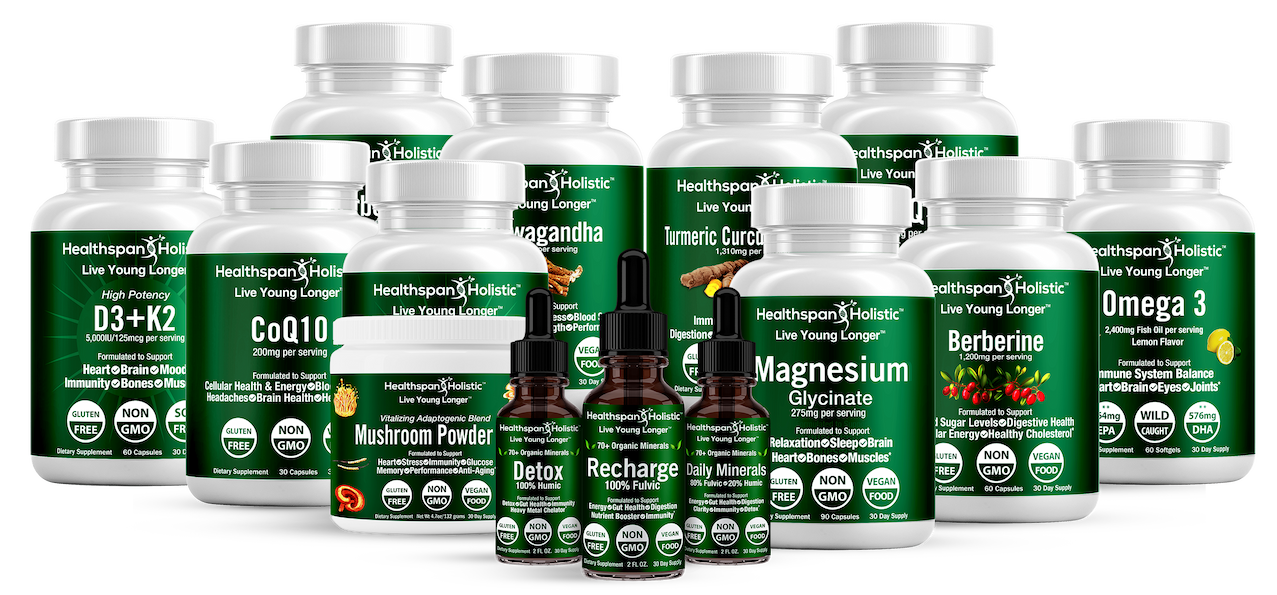
Our health coaching helps you turn results into meals, routines and supplement choices that fit your life. Browse all of our blood work and lab tests or start at our home page to see every service.
1st Time Customers can take advantage of our BUY 1 GET 1 50% OFF special offer on all supplements.
FAQ
Can any food really burn belly fat?
No single food burns fat from your belly. Scripps Health notes that no specific diet targets belly fat alone. Foods rich in fiber, protein and healthy fats help you eat less overall, and belly fat falls as total body fat falls.
Will crunches get rid of belly fat faster?
Abdominal exercises build the muscle underneath, but they do not remove the fat over it. Rush explains that fat loss depends on lowering total body fat through diet and overall activity. Walking, strength training and a balanced eating plan do more for your waistline.
How much protein should I aim for?
The 2025 to 2030 Dietary Guidelines highlight 1.2 to 1.6 grams per kilogram of body weight per day, adjusted for calorie needs. Spread it across meals rather than saving it for dinner. If you have a kidney condition or take medications, check with your doctor first.
What should I drink to support weight loss?
Water, unsweetened tea and black coffee are simple choices. The National Institute on Aging advises older adults to avoid sugary drinks, which add calories without making you feel full.
Sources
- How to Lose Belly Fat and Keep It Off, Scripps Health
- Losing Belly Fat, Rush
- Eating & Physical Activity to Lose or Maintain Weight, NIDDK
- Dietary Guidelines for Americans, 2025 to 2030
- Eat more, weigh less? CDC
- Associations Between Macronutrient Intake and Self-reported Appetite, OMNI-Heart
- Tips for activating your GLP-1 levels naturally, Ohio State
- Soluble Fiber Strikes a Blow to Belly Fat, Wake Forest
- Legume Intake, Body Weight, and Abdominal Adiposity
- Effects of dietary pulse consumption on body weight
- A Comprehensive Critical Assessment of Increased Fruit and Vegetable Intake
- Healthy Meal Planning: Tips for Older Adults, National Institute on Aging
- Go Lean With Protein, New Mexico State University
Recommended
- Foods That Burn Belly Fat: What Actually Works After 40
- Keto Mediterranean Diet: Your Guide to Midlife Health
- How to Balance Hormones After 40: Your Action Plan
- Holistic Nutrition Guide for Ages 45-75: Natural Steps
This article was produced with AI assistance and reviewed for accuracy. It is provided for general information only and is not professional advice.
Dejar un comentario: