

TL;DR:
- Regenerative peptides are short amino acid sequences that activate specific biological pathways involved in tissue repair and inflammation resolution. While preclinical data on peptides like BPC-157 and TB-500 is promising, human clinical evidence remains limited, and most are not FDA-approved. Their effectiveness depends on proper mechanism matching, delivery method, and individual nutrient status, emphasizing the importance of professional guidance.
Regenerative peptides are short amino acid sequences that activate specific biological pathways involved in tissue repair, inflammation resolution, and cellular remodeling. The most studied examples of regenerative peptides include BPC-157, TB-500, GHK-Cu, KPV, CP-02, and WHPP, each targeting a distinct phase of the healing cascade. If you are between 30 and 60 and actively managing your recovery, energy, or connective tissue health, understanding what these peptides do and where the evidence actually stands is one of the most useful things you can do right now.
1. What are regenerative peptides and how do they work?
Regenerative peptides are bioactive compounds, typically 2 to 50 amino acids in length, that signal cells to perform specific repair functions. Unlike broad-spectrum supplements, each peptide targets a defined mechanism: angiogenesis, cell migration, gene expression, or inflammation resolution. This specificity is what makes them so interesting to researchers and health-conscious adults alike.
The tissue repair process maps across four overlapping phases: hemostasis, inflammation, proliferation, and remodeling. Different regenerative peptides act at different points in this cascade. BPC-157 and TB-500 are most active during proliferation and remodeling, while KPV works primarily during the inflammation phase. Understanding this distinction helps you see why multi-peptide blends have become a focus of preclinical research.
2. BPC-157: the most researched regenerative peptide
BPC-157 is a 15-amino-acid peptide derived from a protective protein found in gastric juice. It is one of the most extensively studied examples of healing peptides in preclinical research, with over 100 animal studies documenting its regenerative effects across tendons, ligaments, muscles, and gut tissue.
Its primary mechanisms include upregulation of VEGFR2 for angiogenesis (new blood vessel formation) and modulation of nitric oxide pathways to reduce inflammation and promote tissue perfusion. In animal models, BPC-157 consistently accelerates healing timelines and reduces scar tissue formation. The practical implication is significant: faster vascular supply to injured tissue means faster delivery of oxygen and nutrients to the repair site.
What the research covers:
-
Tendon and ligament repair in rodent transection models
-
Gut mucosal healing in inflammatory bowel disease models
-
Muscle repair following crush and laceration injuries
-
Neurological recovery in spinal cord and brain injury models
The important caveat is that human clinical data remains limited. BPC-157 is not FDA-approved for therapeutic use. Most of what we know comes from animal studies, which are compelling but not directly transferable to human dosing or outcomes.
Pro Tip: If you are researching BPC-157 for personal wellness, review the BPC-157 evidence base carefully and consult a qualified health professional before considering any protocol. Preclinical results are promising, but they are not clinical prescriptions.
3. TB-500 and GHK-Cu: complementary peptides in tissue migration and remodeling
TB-500 and GHK-Cu are two of the best peptides for regenerative health when used alongside BPC-157, and their mechanisms are meaningfully different from each other.
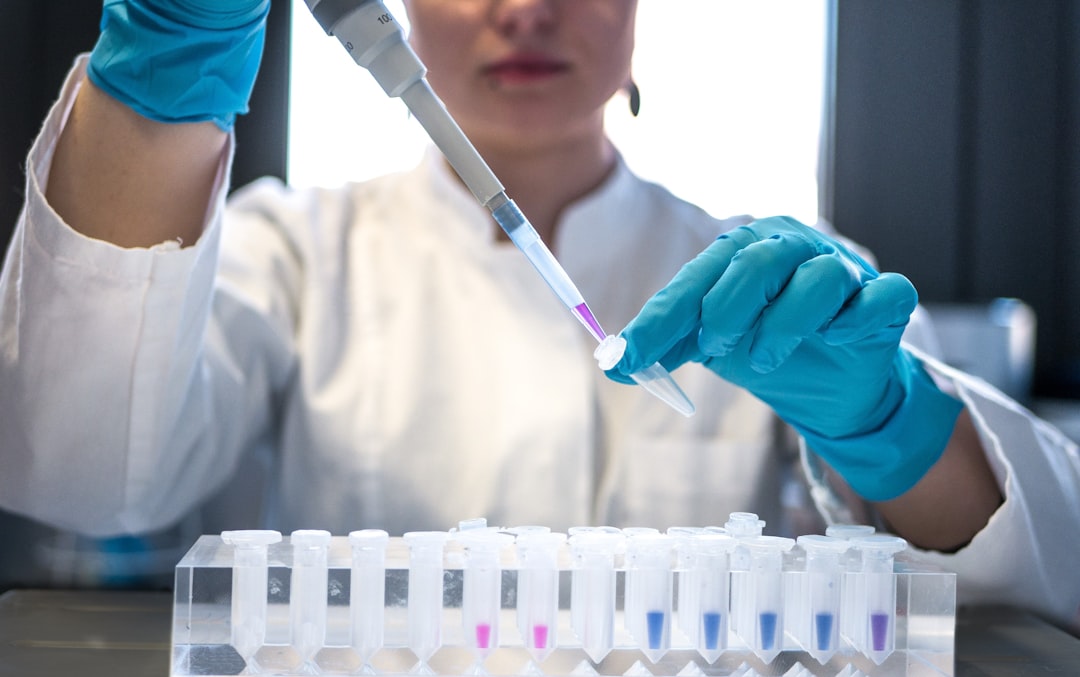
TB-500 is a synthetic version of Thymosin Beta-4, a naturally occurring protein that regulates actin, the structural protein responsible for cell shape and movement. By sequestering actin, TB-500 enhances cell migration to injury sites and promotes systemic recovery from soft tissue damage. Its strength lies in mobility: it helps repair cells get to where they are needed faster.
GHK-Cu (copper peptide GHK) takes a completely different approach. It regulates over 4,000 human genes, including those governing collagen synthesis, matrix metalloproteinase activity, and antioxidant defense. Discovered in 1973, GHK-Cu has been studied for decades in the context of skin repair, wound healing, and anti-aging. Its gene-regulatory reach is broader than almost any other peptide in this category.
| Peptide | Primary mechanism | Best-supported application | Delivery method |
|---|---|---|---|
| TB-500 | Actin sequestration, cell migration | Soft tissue and systemic recovery | Intramuscular injection |
| GHK-Cu | Gene regulation, collagen synthesis | Skin, connective tissue, anti-aging | Topical and injectable |
GHK-Cu’s topical applications are particularly well-supported. It appears in professional-grade skin care formulations because it stimulates collagen and elastin production while reducing oxidative stress in dermal tissue. You can read more about its specific benefits in the Healthspan Holistic guide to GHK-Cu peptide benefits.
Multi-peptide blends like GLOW (combining BPC-157, TB-500, and GHK-Cu) are designed to address overlapping repair phases simultaneously: angiogenesis, cell migration, and matrix remodeling. The logic is sound at the preclinical level, though human synergy data is still emerging.
Pro Tip: GHK-Cu is one of the few regenerative peptides with strong topical delivery evidence. If injections are not part of your current protocol, GHK-Cu copper peptide tablets offer a practical starting point for supporting skin and connective tissue health.
4. KPV: the inflammation-resolving peptide
KPV is a tripeptide (lysine-proline-valine) derived from the C-terminal sequence of alpha-melanocyte-stimulating hormone. Its primary role is anti-inflammatory, making it one of the most targeted regenerative peptides for the inflammation phase of tissue repair.
Where BPC-157 and TB-500 focus on proliferation and remodeling, KPV works earlier in the healing cascade. It inhibits pro-inflammatory cytokines, including NF-kB signaling, which is a central driver of chronic inflammation. In gut tissue models, KPV has shown particular promise for resolving mucosal inflammation, which is why it appears in blends like KLOW alongside BPC-157, TB-500, and GHK-Cu.
The KLOW blend adds KPV to the GLOW formula specifically to address the inflammatory phase that the other three peptides do not directly target. This four-peptide approach covers all major repair phases in a single protocol, at least in preclinical models. For anyone dealing with chronic inflammation alongside tissue damage, KPV’s role in that stack is worth understanding.
5. CP-02: a promising emerging peptide for wound healing
CP-02 is a bioactive octapeptide that has attracted attention for its wound-healing and scar-reducing properties in recent research. In human dermal fibroblast models and zebrafish regeneration studies, CP-02 accelerates wound closure in a dose-dependent manner and improves fin regeneration, a commonly used model for tissue regrowth.
The most striking data point: intramuscular administration of CP-02 improved adult wound healing by up to 76% at 16 days in preclinical models. That is a substantial effect size, and it positions CP-02 as one of the more exciting emerging examples of regenerative peptides in 2026. The scar-reduction component is equally relevant for cosmeceutical applications, where reducing fibrotic tissue formation is a primary goal.
CP-02 is still in early translational stages. The evidence base is smaller than BPC-157 or GHK-Cu, but the quality of the data is encouraging. Delivery via intramuscular injection appears to produce the strongest systemic effects, while topical formulations are being explored for dermal applications.
6. WHPP: the endogenous micropeptide repairing chronic wounds
WHPP is a micropeptide discovered more recently, and its mechanism is genuinely novel. It promotes keratinocyte migration and re-epithelialization of chronic wounds by regulating epithelial-mesenchymal transition (EMT) through inhibition of Twist1 degradation. In plain terms, it helps the skin’s surface cells move and reorganize to close wounds that have stalled.
In vivo rat experiments showed complete wound healing by day 12 with WHPP treatment, with measurable improvements in epithelial coverage and collagen deposition compared to controls. This is particularly relevant for refractory wounds, the kind that do not respond to standard care, which affect millions of people with diabetes, vascular disease, and age-related skin changes.
WHPP is endogenous, meaning your body produces it naturally. The research focus is on whether supplemental delivery via hydrogel or liposome encapsulation can amplify its effects at wound sites. These sustained-release delivery platforms are a key area of development, since delivery method significantly influences how effectively regenerative peptides reach target tissue.
7. How to choose and use regenerative peptides responsibly
Choosing the right peptides for tissue repair requires honest assessment of what the evidence actually supports. Here is a practical framework:
-
Distinguish preclinical from clinical evidence. Most regenerative peptides, including BPC-157 and TB-500, have strong animal model data but limited human clinical trials. Preclinical results are meaningful signals, not guarantees of human outcomes.
-
Understand regulatory status. BPC-157 is not FDA-approved for therapeutic use, and most peptides in this category are sold in research or wellness contexts only. Knowing this protects you from misrepresentation.
-
Match the peptide to the mechanism. If your goal is skin and connective tissue support, GHK-Cu has the strongest topical evidence. If you are focused on soft tissue recovery, TB-500 and BPC-157 are the most studied options. Do not use a peptide just because it is popular.
-
Consult a qualified health professional. Peptide protocols involve dosing, timing, and delivery considerations that require professional guidance. The safety context for peptide therapy is nuanced, and self-directed use carries real risks.
-
Stay current with regulatory updates. The FDA’s stance on peptides is evolving. The 2026 FDA peptide announcement has direct implications for what is legally available and how products are labeled.
Pro Tip: Before adding any peptide to your wellness protocol, get a baseline nutrient panel. Magnesium, zinc, and copper status all influence tissue repair capacity. Deficiencies in these minerals can blunt the effectiveness of even the most well-researched peptides.
Key takeaways
Regenerative peptides work because each one targets a specific phase or mechanism of tissue repair, and matching the right peptide to the right biological need is what separates informed use from guesswork.
| Point | Details |
|---|---|
| BPC-157 leads preclinical research | Over 100 animal studies support its role in tendon, gut, and muscle repair, but human data is limited. |
| GHK-Cu regulates 4,000+ genes | Its broad gene-regulatory activity makes it the strongest option for skin and connective tissue support. |
| Delivery method matters | Intramuscular, topical, and hydrogel delivery each produce different efficacy and kinetics for the same peptide. |
| Most peptides are not FDA-approved | All major regenerative peptides remain outside approved therapeutic use as of 2026. |
| Emerging peptides show real promise | CP-02 and WHPP demonstrate meaningful wound-healing effects in preclinical models, with translational potential. |
My take on where regenerative peptides are actually headed
I have followed the peptide research space for years, and the honest truth is that the excitement is justified but the timeline is often misrepresented. BPC-157 and TB-500 have some of the most compelling preclinical biology I have seen in any wellness category. The mechanisms are specific, the animal data is consistent, and the safety profile appears favorable. But we are still waiting for the kind of randomized controlled trials in humans that would move these from “promising research compounds” to “evidence-based therapeutics.”
What I find more interesting right now is the emerging tier: WHPP and CP-02. These peptides are not household names yet, but the quality of the research is strong, and the mechanisms address real clinical problems like chronic wounds and scar formation that current medicine handles poorly. WHPP’s role in keratinocyte EMT is the kind of targeted biology that tends to translate well from bench to bedside.
My practical advice for anyone in the 40 to 60 age range considering peptides: do not skip the fundamentals. Your body’s regenerative capacity depends on mineral status, hormonal balance, sleep quality, and protein intake before it depends on any peptide. Get your labs done first. Understand your baseline. Then, if peptides fit your goals and you have professional guidance, the research gives you real reasons for optimism.
The regulatory environment is also shifting. The 2026 FDA updates are worth reading carefully before you make any purchasing decisions. The landscape is changing, and staying informed protects both your health and your investment.
— Chris
Support your recovery with Healthspan Holistic
If regenerative peptides have your attention, the smartest first step is knowing where your body actually stands right now. Tissue repair depends heavily on mineral status, and deficiencies in magnesium, copper, and zinc are far more common than most people realize, especially after 40.
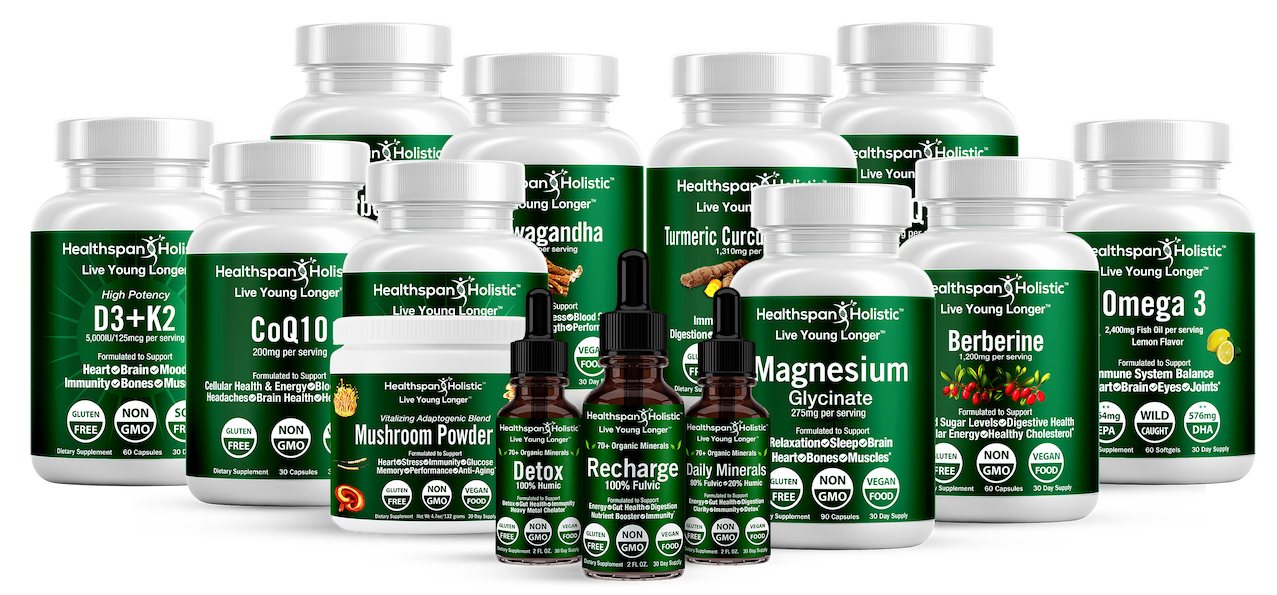
At Healthspan Holistic, we offer the Magnesium RBC test and the Toxic and Essential Minerals panel to give you a precise picture of your regenerative foundation. We also carry professional-grade GHK-Cu copper peptide tablets from our curated supplement collection at Healthspan Holistic. 1st Time Customers can take advantage of our BUY 1 GET 1 50% OFF special offer on all supplements. Start with your data, then build your protocol from there.
FAQ
What are the most studied examples of regenerative peptides?
BPC-157, TB-500, GHK-Cu, and KPV are the most researched regenerative peptides as of 2026, each mapped to specific phases of tissue repair including inflammation, proliferation, and remodeling.
Are regenerative peptides FDA-approved?
No. Most regenerative peptides, including BPC-157 and GHK-Cu, are not FDA-approved for therapeutic use and are sold in research or wellness contexts only.
How do regenerative peptides work in the body?
Regenerative peptides bind to specific receptors or regulate gene expression to trigger targeted repair responses, such as angiogenesis, collagen synthesis, or cell migration, depending on the peptide.
What is the difference between BPC-157 and TB-500?
BPC-157 primarily drives angiogenesis and nitric oxide modulation for tissue healing, while TB-500 enhances cell migration through actin sequestration, making them complementary rather than interchangeable.
Can nutrient status affect how well regenerative peptides work?
Yes. Minerals like magnesium, zinc, and copper are co-factors in collagen synthesis and cellular repair. Deficiencies in these nutrients can reduce the effectiveness of any regenerative protocol, including peptide-based approaches.
Leave a comment: