

TL;DR:
- Relief from lower back pain can be achieved through timed use of ice, heat, gentle movement, and lifestyle adjustments. Chronic pain management emphasizes function, stress reduction, and targeted exercises rather than medication or strict rest. Addressing nutritional deficiencies like magnesium and vitamin D plays a vital role in long-term recovery and pain reduction.
Lower back pain relief is achievable without surgery or long-term medication when you combine targeted movement, natural therapies, and smart daily habits. The clinical term for what most people experience is mechanical low back pain, and it accounts for the vast majority of cases in adults over 45. Knowing how to stop pain in lower back starts with one counterintuitive truth: rest makes it worse. The most effective path forward uses gentle exercise, heat and ice therapy, and mind-body techniques that restore function and reduce discomfort over time.
What are the most effective natural methods to stop pain in lower back?
Non-surgical self-care focused on movement and natural therapies is the first-line recommendation for most adults with new low back pain lasting under 12 weeks. That means you do not need to start with prescription drugs or imaging. Your body is well-equipped to heal when you give it the right support.
Heat and ice: timing matters
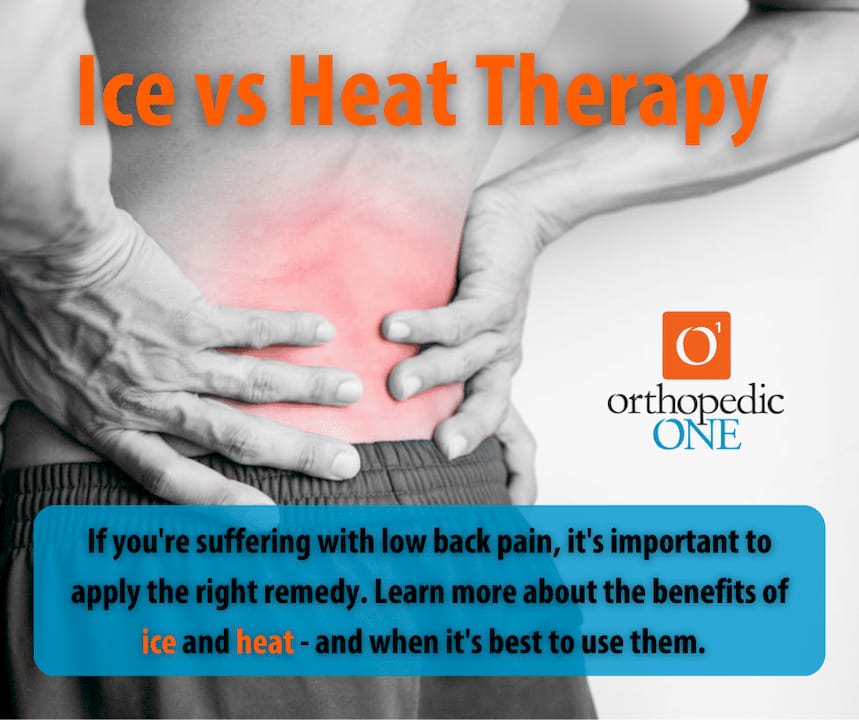
The sequence here is specific and proven. Use ice for the first 48 to 72 hours after pain begins to reduce inflammation and numb sharp discomfort. After that window, switch to heat to relax tight muscles and increase blood flow to the area. Applying heat too early can increase swelling, so the order is not interchangeable.
Massage, acupuncture, and mindfulness
Massage and acupuncture both have research backing for lower back pain relief, particularly for reducing muscle tension and improving circulation. Acupuncture, practiced in Traditional Chinese Medicine for centuries, works by stimulating specific nerve pathways that modulate pain signals. Mindfulness-based stress reduction programs like MBSR, developed at the University of Massachusetts, have shown measurable reductions in chronic pain perception by changing how the brain processes discomfort.
Here is a summary of the most effective natural relief options:
-
Ice therapy: Apply for 15 to 20 minutes at a time during the first 48 to 72 hours
-
Heat therapy: Use a heating pad or warm bath after the initial inflammation phase
-
Acupuncture: Particularly useful for persistent or recurring lower back pain
-
Massage therapy: Targets muscle knots and improves soft tissue mobility
-
Yoga and tai chi: Both reduce back pain through gentle stretching and breath-focused movement
-
Mindfulness and relaxation: Lowers the stress response that amplifies pain signals
Pro Tip: If you use a heating pad, set it to medium rather than high and place a thin towel between the pad and your skin. Prolonged direct heat can cause skin irritation and actually increase muscle guarding.
For additional recovery support, muscle recovery tools like foam rollers and percussion devices can complement these therapies at home.
How to safely begin exercises and movement for lower back pain relief
Bed rest is not recommended for mechanical lower back pain. Staying as active as tolerable prevents muscle weakening and speeds recovery. The goal is gentle, frequent movement rather than intense workouts.
Follow this progression to start moving safely:
-
Begin with walking. A 10 to 15 minute flat walk is one of the best exercises for back pain. It activates the deep stabilizing muscles without loading the spine aggressively. Aim for two to three short walks per day rather than one long effort.
-
Add gentle stretching. Lie on your back and pull one knee gently toward your chest, holding for 20 to 30 seconds. Alternate sides. This targets the hip flexors and gluteals, which directly affect lower back tension. Gentle stretching without forcing past discomfort is the key principle.
-
Introduce abdominal bracing. Lie flat with knees bent. Gently tighten your abdominal muscles as if bracing for a light punch, without holding your breath. Hold for 5 to 10 seconds and release. This activates the transverse abdominis, the deep core muscle that acts like a natural back brace.
-
Progress to planks when ready. A modified plank on your forearms and knees builds core endurance. Maintaining a neutral spine during this exercise is critical. Letting your lower back sag defeats the purpose and can worsen symptoms.
-
Try swimming or water walking. The buoyancy of water reduces spinal load while allowing full-body movement. This makes aquatic exercise ideal for people over 55 who find land-based activity too jarring.
-
Consult a physical therapist if pain persists. Starting core work too soon after an acute injury can worsen symptoms. A physical therapist can assess your specific pattern and guide the timing of each exercise stage.
Pro Tip: Track your pain level on a simple 1 to 10 scale before and after each exercise session. If your score increases by more than 2 points and stays elevated for over an hour, you have done too much. Scale back the intensity or duration the next day.
For deeper guidance on targeted muscle therapy and its role in ongoing back pain recovery, evidence-based rehabilitation techniques can make a significant difference in long-term outcomes.
How to modify daily habits to support lower back pain relief
Your daily posture and movement patterns either protect or aggravate your lower back every single day. Small adjustments add up to significant relief over weeks.
-
Lift with your legs, not your back. Bend at the hips and knees, keep the object close to your body, and avoid twisting while carrying weight. Avoid heavy lifting and twisting for at least six weeks after an acute episode.
-
Adjust your sitting posture. Your feet should rest flat on the floor, your knees at roughly 90 degrees, and your lower back supported by the chair or a small lumbar cushion. If you work at a desk, a standing desk converter lets you alternate positions every 30 to 45 minutes.
-
Take movement breaks every hour. Prolonged sitting compresses the lumbar discs and tightens the hip flexors. Stand up, walk to the kitchen, or do a brief stretch every 45 to 60 minutes.
-
Manage your weight. Excess abdominal weight shifts your center of gravity forward and increases the load on the lumbar spine. Even a modest reduction in body weight reduces mechanical stress on the lower back.
-
Quit smoking. Smoking reduces blood flow to spinal discs, accelerating degeneration. This is one of the most underappreciated contributors to why lower back pain becomes chronic in some people.
-
Support bone and muscle health nutritionally. Calcium and vitamin D are the foundation of skeletal strength. Magnesium plays a parallel role in muscle relaxation and nerve function. Deficiency in any of these nutrients can increase muscle cramping and spasm in the lower back. You can explore joint health strategies that complement these nutritional foundations.
How do acute and chronic lower back pain require different strategies?
The duration of your pain determines which approach will work best. Using chronic pain strategies on a fresh injury, or acute strategies on a long-standing problem, produces poor results.
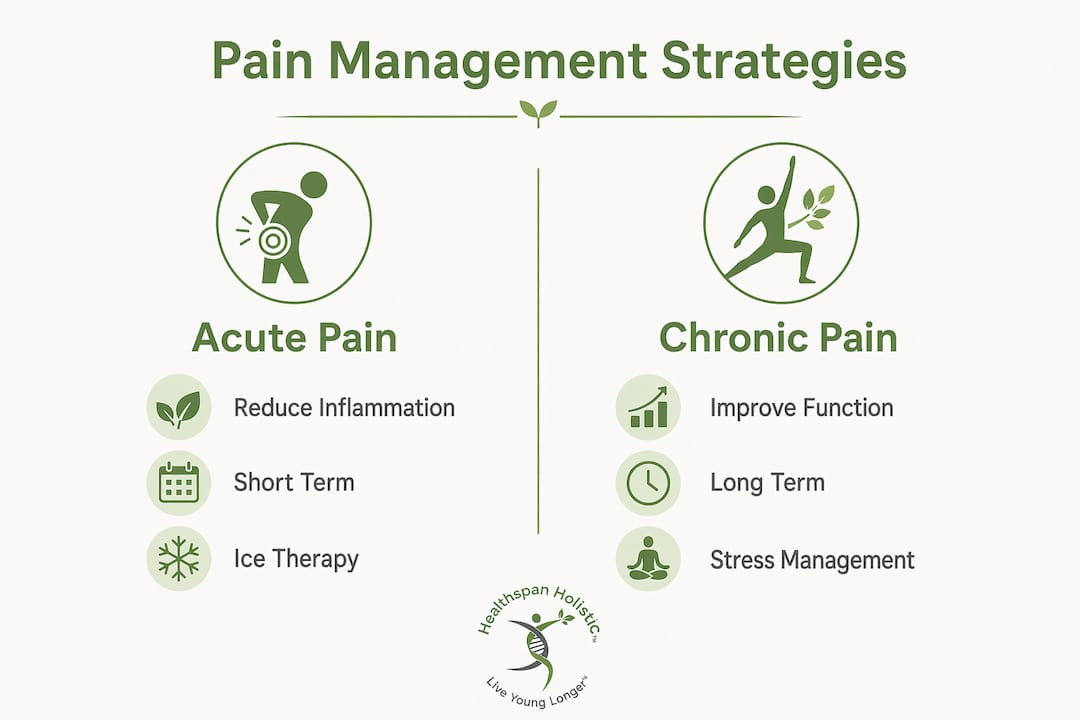
| Factor | Acute pain (under 12 weeks) | Chronic pain (12 weeks or more) |
|---|---|---|
| Primary goal | Reduce inflammation, restore movement | Restore function, manage stress response |
| Ice and heat | Ice first 48 to 72 hours, then heat | Heat for muscle relaxation as needed |
| Activity level | Gentle movement, avoid heavy lifting | Regular structured exercise program |
| Therapies | Massage, acupuncture, light stretching | Physical therapy, yoga, mindfulness, CBT |
| Medication role | Short-term NSAIDs if needed | Avoid opioids; non-drug methods preferred |
| Success metric | Pain reduction | Functional improvement and quality of life |
Chronic low back pain management prioritizes function and stress management through non-drug methods before any medication is considered. This is a meaningful shift in perspective. If you have had pain for more than three months, the goal is not to eliminate pain entirely but to improve what you can do each day. Physical therapy produces modest functional improvement in chronic lower back pain, which means movement and consistency matter more than any single treatment. Treating chronic pain as a functional limitation rather than just a sensation leads to measurably better outcomes.
One more point worth knowing: most mechanical back pain has a favorable prognosis, and imaging is unnecessary unless red flags like unexplained weight loss, fever, or neurological symptoms are present. Reassurance and continued activity are themselves therapeutic.
Key takeaways
The most effective way to stop pain in your lower back combines timed ice and heat therapy, gentle progressive movement, and daily habit changes that reduce spinal load and support muscle recovery.
| Point | Details |
|---|---|
| Ice then heat sequence | Use ice for 48 to 72 hours first, then switch to heat for muscle relaxation. |
| Movement over rest | Gentle walking and stretching speed recovery; prolonged bed rest worsens outcomes. |
| Core strengthening | Abdominal bracing and planks with a neutral spine build lasting back support. |
| Acute vs. chronic approach | Acute pain needs short-term care; chronic pain requires ongoing exercise and mindfulness. |
| Nutritional support | Magnesium, vitamin D, and calcium directly affect muscle function and bone health. |
What I have learned about back pain after 45 that most articles miss
After working with people in the 45 to 75 age group, the pattern I see most often is this: people either do too much too soon, or they stop moving entirely out of fear. Both responses make things worse.
The most important shift I encourage is reframing what success looks like. If you wake up expecting to be pain-free within a week, you will likely feel discouraged and give up on the very habits that would have helped you. If instead you measure success by what you can do, whether you walked further today than yesterday, whether you slept better, whether you bent down to tie your shoes without bracing yourself, you stay motivated and you keep moving.
The other thing I want you to know is that your nutritional status matters more than most people realize. Low magnesium is extraordinarily common in adults over 50, and it directly affects how well your muscles relax and recover. Vitamin D deficiency weakens the musculoskeletal system in ways that show up as persistent aching and fatigue rather than obvious bone problems. These are not exotic concerns. They are practical, testable, and fixable.
Finally, do not underestimate the mental component. Chronic pain changes how the nervous system processes sensation, and stress amplifies every signal. Mindfulness, even 10 minutes a day using an app like Calm or Insight Timer, genuinely reduces pain perception over time. That is not a soft suggestion. It is supported by clinical evidence.
— Chris
How Healthspan Holistic can support your recovery
If you are doing everything right with movement and lifestyle but still struggling, your nutrient levels may be part of the answer.
At Healthspan Holistic, we offer the Magnesium RBC Test to measure your true cellular magnesium level, which is far more accurate than a standard blood panel. Magnesium deficiency is directly linked to muscle spasm, poor sleep, and heightened pain sensitivity. We also offer the Vitamin D, Omega-3, and Magnesium Test as a combined panel targeting the exact nutrients most critical for bone and muscle health in adults over 40. Knowing your levels gives you a clear, personalized starting point.
1st Time Customers can take advantage of our BUY 1 GET 1 50% OFF special offer on all supplements.
FAQ
What is the fastest way to relieve lower back pain at home?
Apply ice for 15 to 20 minutes every two hours during the first 48 to 72 hours, then switch to heat. Combine this with gentle walking and knee-to-chest stretches to restore movement without aggravating the area.
Why does my lower back hurt more after sitting?
Prolonged sitting compresses lumbar discs and tightens the hip flexors, which pulls the pelvis forward and increases strain on the lower back. Standing up and walking for two to three minutes every hour significantly reduces this buildup of tension.
How long does it take for lower back pain to go away?
Most acute mechanical lower back pain improves within four to six weeks with consistent gentle movement and self-care. Chronic pain lasting over 12 weeks requires a longer, structured approach focused on function rather than complete pain elimination.
Are exercises for back pain safe to do at home?
Yes, gentle exercises like walking, knee-to-chest stretches, and abdominal bracing are safe for most people. Avoid pushing through sharp or worsening pain, and consult a physical therapist if symptoms increase after exercise.
Can nutritional deficiencies cause lower back pain?
Low levels of magnesium, vitamin D, and calcium impair muscle function and bone integrity, which can contribute to persistent lower back aching and muscle spasm. Testing these levels is a practical first step if pain is ongoing despite good movement habits.
Leave a comment: