

TL;DR:
- Glycine deficiency in adults often causes fatigue, joint discomfort, and blood sugar swings, but symptoms are nonspecific. It results from inadequate collagen and glutathione synthesis and requires comprehensive testing of plasma glycine, glutathione levels, and metabolic markers. Supporting glycine status involves dietary intake from bone broth and collagen supplements alongside metabolic health improvements.
Glycine deficiency is defined as a state in which the body’s supply of the amino acid glycine falls below what tissues need for collagen production, glutathione synthesis, and metabolic regulation. For adults between 30 and 65, glycine deficiency symptoms are rarely dramatic or obvious. They tend to look like fatigue that won’t lift, joints that ache without a clear cause, slow recovery after exercise, or blood sugar swings that leave you dragging by mid-afternoon. Because glycine works quietly in the background of dozens of biological processes, low glycine symptoms overlap with many other conditions, making them easy to miss or misattribute.
What are the common glycine deficiency symptoms in adults?
Glycine’s biological roles explain why its symptoms are so wide-ranging. This amino acid is the primary building block of collagen, a key precursor to the antioxidant glutathione, and a regulator of insulin secretion in pancreatic beta cells. When glycine supply is inadequate, multiple systems feel the strain at once.
The most frequently reported signs of glycine deficiency in adults include:
-
Persistent fatigue and low energy. Glycine is a precursor to glutathione, the body’s master antioxidant. When glutathione production drops, oxidative stress rises and cellular energy output suffers. This is not ordinary tiredness. It is the kind that sleep does not fully resolve.
-
Poor exercise recovery. Connective tissue repair depends heavily on collagen, and collagen requires glycine as its most abundant amino acid. Adults who notice that muscle soreness lingers longer than it used to, or that minor strains take weeks to heal, may be experiencing a downstream effect of low glycine status.
-
Joint discomfort and connective tissue weakness. Tendons, ligaments, and cartilage are collagen-dense structures. Reduced glycine availability limits the body’s ability to maintain and repair these tissues, contributing to stiffness, aching joints, and a general sense of physical fragility.
-
Blood sugar instability. Research shows that dietary glycine deficiency disrupts the glycine-GLRA1-calmodulin signaling pathway, which regulates calcium in the endoplasmic reticulum of beta cells. This impairs insulin secretion and worsens glucose tolerance. In practical terms, you may notice energy crashes after meals, cravings for carbohydrates, or difficulty maintaining steady focus.
-
Poor sleep quality. Glycine acts as an inhibitory neurotransmitter in the central nervous system and has been shown to support sleep onset and depth. Adults with low glycine status sometimes report difficulty falling asleep or waking unrefreshed, though sleep complaints related to glycine are best viewed as symptomatic rather than diagnostic.
Pro Tip: If you are experiencing three or more of these symptoms together, especially fatigue, joint discomfort, and slow recovery, consider tracking them in a journal for two weeks before speaking with a health professional. Patterns matter more than individual symptoms when evaluating amino acid status.
Why glycine deficiency symptoms overlap with other health issues

One of the most frustrating aspects of low glycine status is that it does not produce a clean, recognizable symptom picture. Glycine deficiency in adults lacks a single accepted symptom pattern and is considered a contributor to health problems rather than a standalone diagnosis. This distinction matters enormously for anyone trying to understand what is happening in their body.
Here are four reasons why the glycine deficiency effects you experience can be so hard to pin down:
-
Symptoms are nonspecific by nature. Fatigue, brain fog, digestive discomfort, and muscle weakness are among the most common complaints in adults over 40. They appear in iron deficiency, thyroid dysfunction, vitamin D insufficiency, and sleep apnea. Glycine deficiency shares this symptom territory without a unique marker to distinguish it.
-
Glycine metabolism is interconnected. Glycine metabolism ties closely with serine and folate pathways, reflecting broader metabolic and nutritional states rather than an isolated deficiency. Low glycine often signals that something larger is off, whether that is poor protein intake, insulin resistance, or chronic inflammation.
-
Isolated glycine deficiency is rare. Glycine status moves in parallel with other amino acids and metabolic factors. When glycine is low, it is usually part of broader metabolic dysfunction rather than a single nutrient gap. This is why addressing glycine in isolation rarely resolves the full picture.
-
Adult presentations differ from clinical glycine disorders. Nonketotic hyperglycinemia is a severe genetic condition that presents in newborns with seizures and neurological damage. Adult fatigue and muscle weakness linked to glycine are not the same condition and should not be confused with it. Understanding this distinction prevents unnecessary alarm and keeps the focus on practical adult health management.
The takeaway is that glycine deficiency symptoms are real and worth investigating, but they require a thoughtful, whole-body evaluation rather than a single-nutrient fix.
How to identify glycine deficiency: tests and indicators
Knowing how to identify glycine deficiency requires accepting that no single test delivers a definitive answer. There is no single test for definitive glycine deficiency. Evaluation involves a combination of biomarkers and clinical context, which is why working with a knowledgeable health professional matters.
The markers most relevant to glycine status assessment include:
-
Plasma glycine levels. A direct measure of circulating glycine, though reference ranges vary and low-normal values can still be clinically meaningful in symptomatic individuals.
-
L-serine levels. Because glycine and serine are metabolically linked, low serine alongside low glycine strengthens the case for a real deficiency state.
-
Glutathione status. Reduced glutathione production is a downstream consequence of low glycine. Measuring red blood cell glutathione gives a functional picture of whether glycine supply is adequate for antioxidant needs.
-
Urinary 5-oxoproline. Elevated levels of this marker suggest glutathione depletion and can indicate that glycine demand is outpacing supply.
| Marker | What it indicates |
|---|---|
| Plasma glycine | Direct measure of circulating amino acid availability |
| L-serine | Metabolic partner; low levels reinforce glycine deficiency picture |
| Red blood cell glutathione | Functional indicator of glycine adequacy for antioxidant synthesis |
| Urinary 5-oxoproline | Elevated levels suggest glutathione depletion linked to low glycine |
Clinical evaluation of glycine status often requires integrated metabolic marker panels rather than isolated glycine testing. Adults most likely to show low glycine status include those eating low-protein diets, those under significant metabolic stress such as chronic illness or post-surgery recovery, and those with insulin resistance or type 2 diabetes risk factors. Routine blood panels ordered by a general practitioner rarely include these markers, which is why specialized testing through a platform like Healthspan Holistic can provide a clearer picture.
Pro Tip: Ask your health provider specifically about amino acid panels and glutathione markers. Standard metabolic panels do not include these, and the gap in testing is one reason glycine-related issues go undetected for years.
What are effective ways to support low glycine status?
Once you have reason to suspect low glycine, the good news is that dietary and supplemental strategies are practical, accessible, and well-supported by research. The goal is not just to add glycine but to address the metabolic context that allowed levels to drop.
Food sources rich in glycine include:
-
Bone broth, which concentrates glycine from connective tissue during long cooking
-
Skin-on poultry and slow-cooked meats, where collagen-rich cuts provide the most glycine per serving
-
Gelatin-based foods, which deliver glycine in a highly bioavailable form
-
Organ meats, particularly skin and cartilage-containing cuts
Collagen supplements are the most direct way to increase glycine intake through supplementation. Collagen supports connective tissues and may help address low glycine status, particularly for adults who do not regularly consume bone broth or collagen-rich cuts of meat. Hydrolyzed collagen peptides are well-absorbed and can be added to coffee, smoothies, or soups without affecting flavor. Research on collagen and metabolic health also suggests benefits for blood sugar regulation and body composition, which aligns with glycine’s role in insulin secretion.
Addressing the metabolic root matters as much as adding glycine. If insulin resistance or chronic inflammation is driving increased glycine demand, supplementing alone will not restore balance. Prioritizing sleep, reducing refined carbohydrate intake, and managing stress all reduce the metabolic load that depletes glycine faster than diet can replenish it.
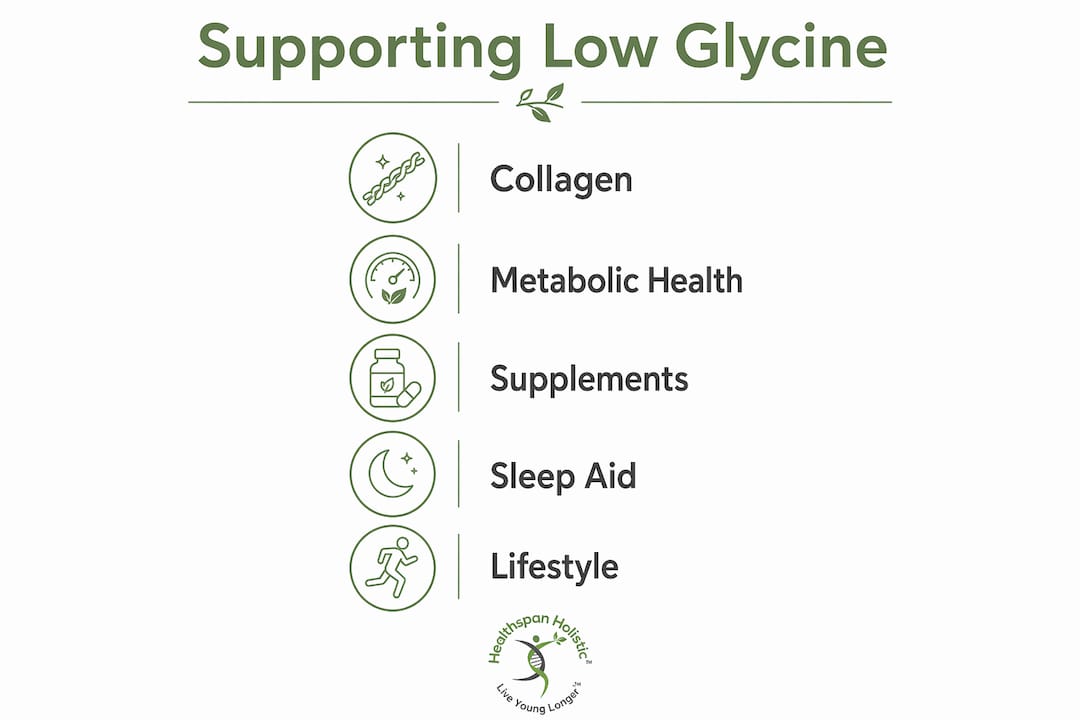
For adults dealing with sleep disruption alongside other low glycine symptoms, magnesium glycinate is worth considering. It delivers glycine alongside magnesium, a mineral that supports muscle relaxation and sleep quality. Research on glycine and sleep quality suggests meaningful benefits for sleep onset and depth, though it works best as part of a broader sleep hygiene approach rather than a standalone solution.
Key takeaways
Glycine deficiency symptoms in adults are real but nonspecific, and the most effective response combines targeted testing with dietary support and metabolic health improvements.
| Point | Details |
|---|---|
| Symptoms are nonspecific | Fatigue, joint pain, and poor recovery overlap with many conditions, requiring full evaluation. |
| No single diagnostic test exists | Use a panel including plasma glycine, glutathione, and urinary 5-oxoproline for accurate assessment. |
| Metabolic context drives deficiency | Low glycine often reflects insulin resistance or poor protein intake, not an isolated gap. |
| Diet and collagen supplements help | Bone broth, collagen peptides, and glycine-rich meats are the most practical dietary strategies. |
| Holistic evaluation is key | Addressing sleep, stress, and metabolic health restores glycine status more effectively than supplementation alone. |
Why I think glycine gets misread more than almost any other amino acid
I have worked with adults who came in convinced they had adrenal fatigue, thyroid problems, or some mysterious inflammatory condition. After thorough testing, a meaningful number of them showed low glycine alongside disrupted glutathione and metabolic markers. The symptoms were real.
What I have found is that glycine deficiency is almost never the whole story. It is a signal that the body is under metabolic strain, whether from years of low-protein eating, chronic stress, or the kind of slow-burning insulin resistance that does not show up on a standard fasting glucose test. Treating it as a simple supplement fix misses the point entirely.
The adults who see the best results are the ones who treat low glycine as a prompt to look deeper. They get proper testing, they improve their protein quality, they address sleep, and they take a measured approach to supplementation. I also want to be honest about the limits of current research. Many experts caution against a fixed symptom list for glycine deficiency, and that caution is warranted. These symptoms are real, but they are downstream effects of a complex metabolic picture. Approach them with curiosity, not alarm, and you will make much better decisions.
If you are dealing with unexplained fatigue or slow recovery and you have not yet looked at your amino acid status, that is the most important next step you can take. Understanding this is not just reassuring. It is the foundation for doing something about it.
— Chris
Find out where your glycine status really stands
If you recognize these symptoms and want real answers rather than guesswork, Healthspan Holistic offers the testing tools to get there. The Cellular Micronutrient Test assesses amino acid and nutrient status at the cellular level, giving you a far more accurate picture than standard blood panels. For a broader view of metabolic health, the Metabolic Panel evaluates the key markers that drive glycine demand and depletion. Pair your results with one-on-one coaching and a curated selection of professional-grade collagen and glycine-supporting supplements from the Healthspan Holistic.
1st Time Customers can take advantage of our BUY 1 GET 1 50% OFF special offer on all supplements.
FAQ
What are the main signs of glycine deficiency in adults?
The most common signs include persistent fatigue, slow recovery after exercise, joint discomfort, blood sugar instability, and disrupted sleep. These symptoms are nonspecific and overlap with other conditions, so a full evaluation is recommended before attributing them to glycine alone.
Can a standard blood test detect low glycine?
Standard blood panels do not include glycine or glutathione markers. Identifying low glycine status requires a specialized amino acid panel that includes plasma glycine, L-serine, red blood cell glutathione, and urinary 5-oxoproline.
How does glycine affect sleep quality?
Glycine acts as an inhibitory neurotransmitter and supports sleep onset and depth. Supplementing with glycine or magnesium glycinate may improve sleep quality, but it addresses symptoms rather than underlying causes like sleep apnea or circadian disruption.
What foods are highest in glycine?
Bone broth, gelatin, skin-on poultry, slow-cooked collagen-rich meats, and hydrolyzed collagen supplements are the richest dietary sources of glycine. Adults eating low-protein or plant-heavy diets are most likely to have insufficient glycine intake.
Is glycine deficiency the same as nonketotic hyperglycinemia?
No. Nonketotic hyperglycinemia is a severe genetic disorder that presents in newborns with seizures and neurological damage. Adult glycine deficiency refers to suboptimal glycine status from dietary or metabolic causes and is a fundamentally different and far less severe condition.
Leave a comment: