

TL;DR:
- Photobiomodulation uses red and near-infrared light to stimulate cellular healing, reduce inflammation, and improve mitochondrial function, offering a safe, drug-free option for adults over 40 with chronic pain or energy decline. Recent clinical evidence affirms its efficacy for conditions like fibromyalgia and osteoarthritis, especially with proper device selection, dosing, and consistent use over several weeks. To maximize benefits at home, users should follow validated protocols, choose FDA-cleared devices, and combine therapy with personalized nutrition and health monitoring.
Photobiomodulation (PBM) is defined as a non-invasive light therapy that uses red and near-infrared wavelengths to stimulate cellular healing, reduce inflammation, and restore mitochondrial energy production. Also called low-level laser therapy or LLLT in clinical settings, PBM works by activating cytochrome c oxidase, a key enzyme in the mitochondrial respiratory chain, triggering a cascade that increases ATP synthesis and reduces oxidative stress. For adults over 40 dealing with chronic pain, slow injury recovery, or declining energy, this therapy offers a drug-free path grounded in real biology. The science has matured significantly, and 2026 brings updated clinical evidence worth knowing.
What does the evidence say about photobiomodulation for pain relief?
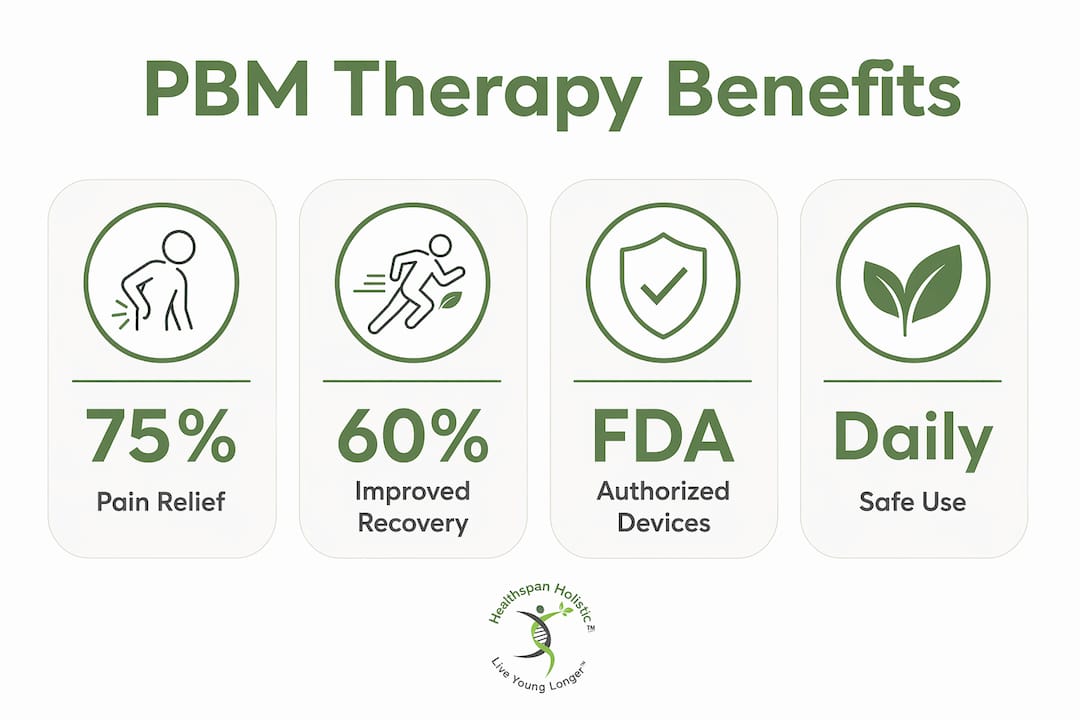
The clinical case for PBM has strengthened considerably. A 2026 systematic review confirms PBM as a safe therapeutic option with low adverse event rates for fibromyalgia, peripheral neuropathies, and knee osteoarthritis. This means that for three of the most common pain conditions affecting adults over 50, the therapy has cleared the bar for both safety and measurable benefit.
Home-based devices are also proving their worth. A 2026 double-blinded trial using a 110 multi-wavelength diode device found that 20 minutes daily, five days per week for three weeks significantly improved chronic low back pain and physical function compared to sham treatments. That result matters because it was achieved with a home device, not a clinical laser, which puts effective treatment within reach for everyday users.
On the regulatory front, the FDA authorized marketing of specific red-light therapy devices in 2026 for dry age-related macular degeneration and temporary fibromyalgia pain relief. FDA clearance signals that the evidence threshold for safety and efficacy has been met for those specific indications.
Gaps remain. The same 2026 review found insufficient evidence for rheumatoid arthritis and plantar fasciitis, and dosing standardization across devices is still inconsistent. PBM is not a universal cure, and the industry hype frequently outruns the actual research. For natural relief from lower back pain, you can also explore complementary approaches at Healthspan Holistic’s pain guide.
| Condition | Evidence Level | Notes |
|---|---|---|
| Chronic low back pain | Strong | Home devices effective at 20 min/day, 5 days/week |
| Fibromyalgia | Strong | FDA-cleared devices available as of 2026 |
| Knee osteoarthritis | Moderate to strong | Supported by multiple controlled trials |
| Peripheral neuropathy | Moderate | Promising but needs larger trials |
| Rheumatoid arthritis | Insufficient | Not yet supported by strong evidence |
Pro Tip: When evaluating a PBM device, look specifically for FDA clearance or authorization for your condition. General “wellness” claims without regulatory backing are not the same as clinically validated indications.
How does photobiomodulation work at the cellular level?
The mechanism behind PBM is not mysterious. Light photons in the red (630 to 700 nm) and near-infrared (700 to 1100 nm) range are absorbed by mitochondrial cytochrome c oxidase, which then increases ATP synthesis, releases nitric oxide, and triggers reactive oxygen species (ROS) signaling. Think of it as jump-starting the cell’s power plant when it has been running low.
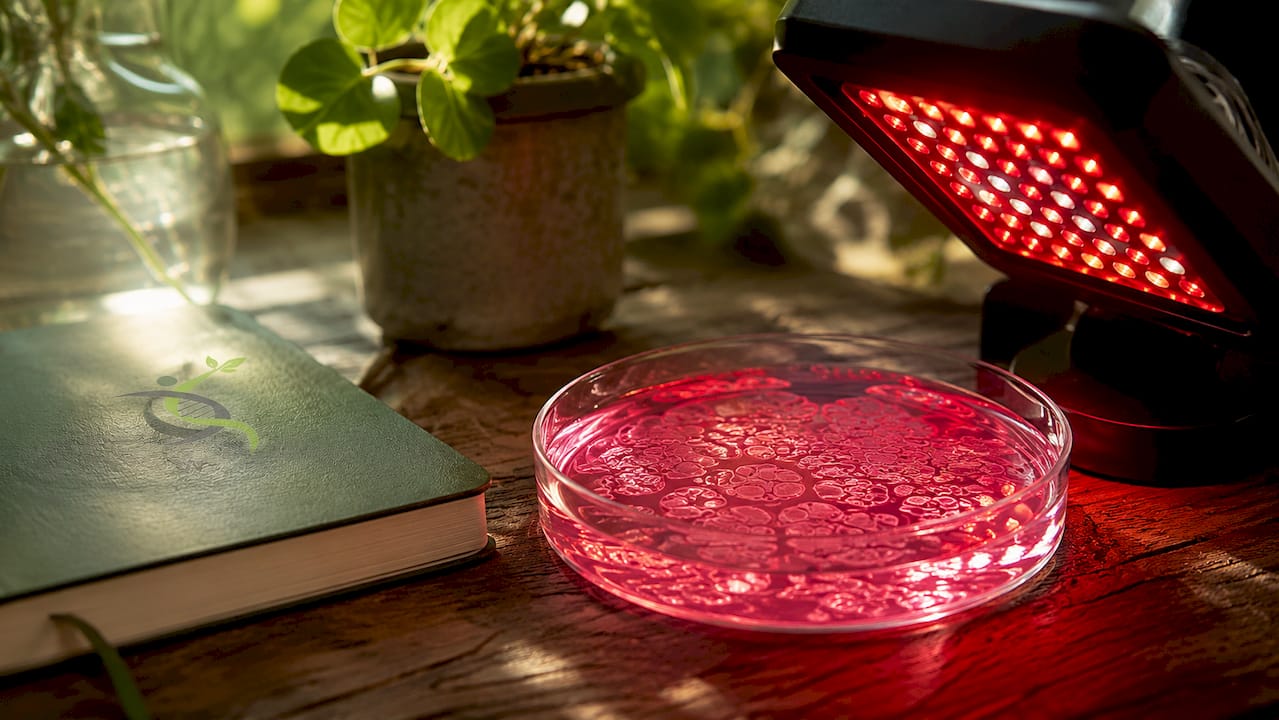
Those downstream effects are what produce the clinical benefits you feel. Nitric oxide release improves local circulation. ROS signaling at low levels activates anti-inflammatory pathways and promotes tissue repair. Increased ATP gives cells the energy to regenerate faster, which is why PBM shows results in wound healing, nerve repair, and muscle recovery.
Here is what makes dosing critical:
-
Wavelength depth: Near-infrared light (600 to 1100 nm) penetrates deeper tissues including muscles and nerves, while visible red light works primarily on superficial skin layers.
-
Biphasic dose response: The Arndt-Schulz curve principle confirms that low doses stimulate cellular activity while excessive doses inhibit it. More light is not always better.
-
Inflammation modulation: PBM reduces pro-inflammatory cytokines and supports angiogenesis, the formation of new blood vessels, which accelerates tissue repair.
-
Neuroprotection: Transcranial PBM shows early promise for brain cell energy support and cognitive protection, though it is not a treatment for neurodegenerative disease.
Pro Tip: If you are targeting deep muscle or joint pain, choose a device with near-infrared wavelengths in the 800 to 1000 nm range. Devices that only emit visible red light will not reach the tissue depth you need.
What are the main types of PBM devices and how do they differ?
Not all light therapy devices are equal, and the differences matter for your results. The two primary clinical categories are low-level laser therapy (LLLT) and high-intensity laser therapy (HILT). A systematic review comparing HILT and LLLT found that HILT delivers higher energy doses more quickly and produces both photothermal and photobiomodulatory effects, giving it potential advantages for musculoskeletal pain. LLLT, by contrast, is strictly non-thermal and relies entirely on photochemical effects.
| Device Type | Power Output | Penetration | Best For | Home Use? |
|---|---|---|---|---|
| LLLT (low-level laser) | Low (milliwatts) | Moderate | Nerve pain, skin, superficial tissue | Yes, with proper protocol |
| HILT (high-intensity laser) | High (watts) | Deep | Musculoskeletal pain, joints | Clinical setting preferred |
| LED red light panels | Low to moderate | Superficial to moderate | Skin, inflammation, general wellness | Yes, widely available |
| Near-infrared LED devices | Moderate | Deep tissue | Muscle recovery, joint pain | Yes, with correct wavelength |
For home users, LED-based devices are the most practical option. They are safer to use without clinical supervision, more affordable, and widely available. The trade-off is that dosimetry inconsistency across home devices is a real challenge. Power output and wavelength accuracy vary significantly between brands, which means two devices marketed identically may deliver very different therapeutic doses.
Key considerations when comparing devices:
-
Wavelength accuracy: Verify the device emits the stated wavelengths. Third-party testing or peer-reviewed validation adds credibility.
-
Power density: Measured in milliwatts per square centimeter (mW/cm²), this determines how much energy reaches your tissue per session.
-
Treatment area: Larger panels cover more surface area per session, which matters for conditions like back pain or full-body recovery.
-
FDA status: Look for FDA-cleared or FDA-authorized devices, not just “FDA registered,” which only means the manufacturer is registered, not that the device has been evaluated for efficacy.
How to use photobiomodulation safely and effectively at home
Getting results from a home PBM device comes down to consistency and protocol. Here is a practical framework based on current clinical evidence:
-
Start with a validated protocol. The most well-supported home protocol from the 2026 clinical trial is 20 minutes per session, five days per week. Three weeks of consistent use produced measurable improvements in chronic low back pain. Do not expect results from sporadic use.
-
Match device to target tissue. Use near-infrared wavelengths for deep joints, muscles, and nerve pain. Use red light (630 to 670 nm) for skin-level concerns like wound healing or inflammation near the surface.
-
Respect the biphasic dose response. Longer sessions do not equal better outcomes. Overtreatment can reduce effectiveness. Stick to the manufacturer’s recommended session length and do not double up sessions thinking it will speed results.
-
Maintain correct distance. Most home devices require placement within a few centimeters of the skin. Consistent application at the correct proximity is what separates effective treatment from ineffective light exposure.
-
Protect your eyes. Always use the protective eyewear included with your device. This applies even to LED panels, not just lasers.
-
Track your response. Keep a simple pain or function log. If you see no improvement after four weeks of consistent use, consult a healthcare provider before continuing. PBM works well for many conditions but is not the right tool for every situation.
-
Pair with personalized nutrition support. Mitochondrial function, which PBM directly targets, depends on nutrients like magnesium, B vitamins, and CoQ10. Understanding your baseline through lab testing can help you get more from your therapy. Exploring personalized supplementation alongside PBM is a smart strategy.
Pro Tip: Chronic pain management works best as a layered approach. Explore chronic pain management guides to understand how PBM fits alongside movement, sleep, and nutrition for lasting relief.
Key takeaways
Photobiomodulation delivers measurable pain relief and recovery benefits when used consistently with the right device, correct wavelength, and evidence-based dosing protocols.
| Point | Details |
|---|---|
| Clinical evidence is solid for select conditions | PBM is supported for fibromyalgia, knee osteoarthritis, and chronic low back pain by 2026 trials. |
| Mechanism targets mitochondria directly | PBM activates cytochrome c oxidase, boosting ATP and reducing inflammation at the cellular level. |
| More light is not always better | The Arndt-Schulz curve means overdosing can reduce effectiveness; follow validated session lengths. |
| Device type and wavelength determine results | Near-infrared reaches deep tissue; visible red light stays superficial. Match wavelength to your condition. |
| FDA clearance is the safety benchmark | Look for FDA-authorized devices for your specific condition, not just general wellness claims. |
My honest take on PBM after working with adults over 40
I have seen photobiomodulation go from fringe therapy to a genuinely useful tool in the past several years, and I want to be direct with you about what that shift actually means. The science is real. The benefits for chronic pain, joint recovery, and mitochondrial support are backed by solid trials. But the market has flooded with devices that make sweeping promises without the evidence to support them.
The most common mistake I see is people buying an underpowered LED panel, using it inconsistently for two weeks, and concluding that PBM does not work. The therapy works when the protocol is right. That means the correct wavelength, the correct dose, and the discipline to use it five days a week for at least three weeks before evaluating results.
What I find genuinely exciting is how well PBM pairs with nutritional support. Mitochondria need raw materials to function, and if you are deficient in magnesium or your metabolic markers are off, even a well-designed light therapy protocol will underperform. The adults I see getting the best results are those who combine PBM with targeted lab testing and supplement support, not those chasing the device alone.
My advice: start with a clear goal, choose an FDA-cleared device matched to that goal, follow the protocol exactly, and test your baseline health markers so you know what else might be limiting your recovery. PBM is a powerful tool. It works best when it is part of a bigger picture.
— Chris
Support your recovery with Healthspan Holistic
If you are ready to get more from your photobiomodulation therapy, knowing your baseline health markers is the smartest first step. Mitochondrial function, inflammation, and hormone balance all influence how well your body responds to light therapy.
At Healthspan Holistic, you can access the Magnesium RBC Test to detect deficiencies that directly affect cellular energy, the Comprehensive Hormone Panel to guide personalized recovery, and the Metabolic Panel to understand your inflammatory baseline. Each test gives you data to make your wellness strategy work harder. 1st Time Customers can take advantage of our BUY 1 GET 1 50% OFF special offer on all supplements. Explore the full supplement collection at Healthspan Holistic and build a recovery plan that goes beyond the device.
FAQ
What is photobiomodulation therapy?
Photobiomodulation therapy is a non-invasive treatment that uses red and near-infrared light to stimulate mitochondrial function, reduce inflammation, and promote tissue repair. It is also known as low-level laser therapy (LLLT) or red light therapy in clinical and consumer settings.
How long does it take to see results from PBM?
A 2026 double-blinded trial found significant improvements in chronic low back pain after three weeks of 20-minute daily sessions, five days per week. Results vary by condition and device quality, but most protocols recommend at least three to four weeks of consistent use before evaluating outcomes.
Is red light therapy the same as photobiomodulation?
Red light therapy is a subset of photobiomodulation. PBM includes both visible red light (630 to 700 nm) and near-infrared light (700 to 1100 nm), while “red light therapy” typically refers to the visible red range only. Near-infrared wavelengths penetrate deeper tissue and are often more relevant for joint and muscle conditions.
Are home PBM devices as effective as clinical lasers?
Home LED devices can be effective for conditions like chronic low back pain when used consistently at the correct proximity and duration. Clinical-grade high-intensity laser therapy (HILT) delivers higher energy doses and deeper penetration, making it more suitable for severe musculoskeletal conditions under professional supervision.
Is photobiomodulation safe for daily use?
PBM has a low adverse event profile and is considered safe for regular use at recommended doses. The key caution is avoiding overtreatment. The biphasic dose response means excessive light exposure can reduce effectiveness rather than increase it, so following validated session lengths is critical.
Leave a comment: