

The most effective GLP-1 diet plan centers on three non-negotiables: start every meal with a moderate amount of protein, eat small portions every 3–4 hours, and drink 2.5–3 liters (80–100 oz) of water daily. JAMA Internal Medicine guidance frames this not as calorie counting but as relearning how to eat for function — proactively planning protein-forward meals to prevent lean-mass loss and reduce symptom-driven poor choices.
Your three immediate priorities:
-
Hit your protein target first. Aim for a moderate daily protein intake per kilogram of body weight, spread across meals and snacks.
-
Shrink your portions, increase your frequency. Four to five small meals beat two or three large ones for tolerability and nutrient absorption.
-
Hydrate deliberately. GLP-1 medications can blunt your thirst signal, so you need to drink on a schedule, not just when you feel thirsty.
If nausea, vomiting, or very low appetite is preventing you from meeting your protein or fluid needs, contact your prescriber or a registered dietitian before adjusting your eating plan on your own.
Key Takeaways
A protein-first GLP-1 diet plan, paired with resistance training and deliberate hydration, is the most effective way to lose fat, protect muscle, and manage side effects throughout therapy.
| Point | Details |
|---|---|
| Protein target | Aim for 1.0–1.5 g per kilogram of body weight daily, with 20–30 g per meal. |
| Meal pattern | Eat four to five small, protein-forward meals every 3–4 hours to reduce nausea and improve nutrient absorption. |
| Hydration | Drink 2.5–3 liters (80–100 oz) daily on a schedule; GLP-1s blunt thirst and dehydration worsens GI side effects. |
| Muscle preservation | Combine adequate protein with 2–3 resistance training sessions per week and a 25–35 g protein dose after each session. |
| Healthspan Holistic | The 90 Day Journey to Longevity provides baseline labs, hormone testing, and personalized coaching to monitor and optimize your GLP-1 plan. |
How do GLP-1 drugs change the way you eat and digest food?
GLP-1 receptor agonists (semaglutide, tirzepatide, and related agents) work through three core physiological effects: they suppress appetite by acting on hunger centers in the brain, slow gastric emptying so food stays in your stomach longer, and reduce thirst perception. Together, these changes mean you feel full faster, stay full longer, and may not realize you are becoming dehydrated.
“GLP-1 medications slow how quickly food leaves the stomach, which means large or high-fat meals can sit uncomfortably for hours. Smaller, protein-first portions work with the drug’s mechanism rather than against it.” — Cleveland Clinic GLP-1 diet guidance
The practical consequence is straightforward: because your stomach empties more slowly, a large meal that would have felt fine before starting therapy can now cause rapid-onset fullness, nausea, or reflux. Choosing protein-dense foods first at every meal takes advantage of the satiety signal while protecting lean mass. Smaller portions reduce the pressure on a stomach that is already working more slowly. And because thirst suppression is real, hydration has to become an intentional habit rather than a reactive one.
What should you eat on a GLP-1 diet plan?
Protein comes first, at every meal and every snack. UCHealth clinical guidance recommends prioritizing protein, fiber, and hydration while keeping portions small, especially during dose increases.
Protein targets that actually protect muscle
Per JAMA Internal Medicine, a practical daily protein target for adults on GLP-1 therapy is 1.0–1.5 g per kilogram of body weight, with 20–30 g per meal as a per-sitting goal.
High-protein foods that are easy to tolerate on GLP-1 therapy:
-
Greek yogurt (plain, 2%): 17–20 g per 6 oz serving
-
Eggs: 6 g each; two eggs plus one egg white = 15 g
-
Cottage cheese (low-fat): 14 g per ½ cup
-
Grilled chicken breast: 26 g per 3 oz
-
Canned tuna or salmon: 20–22 g per 3 oz
-
Edamame: 17 g per 1 cup (shelled)
-
Tofu (firm): 10 g per ½ cup
-
Whey or plant-based protein powder: 20–25 g per scoop
Fiber, healthy fats, and hydration
Introduce fiber gradually to avoid worsening GI symptoms. Clinical nutrition guidance recommends increasing both soluble and insoluble fiber alongside adequate fluid intake; psyllium husk can supplement dietary fiber when food sources fall short. Non-starchy vegetables (spinach, zucchini, cucumber, broccoli) and gentle whole grains (oats, quinoa) are your best fiber sources because they digest more smoothly than raw cruciferous vegetables or high-fiber bars.
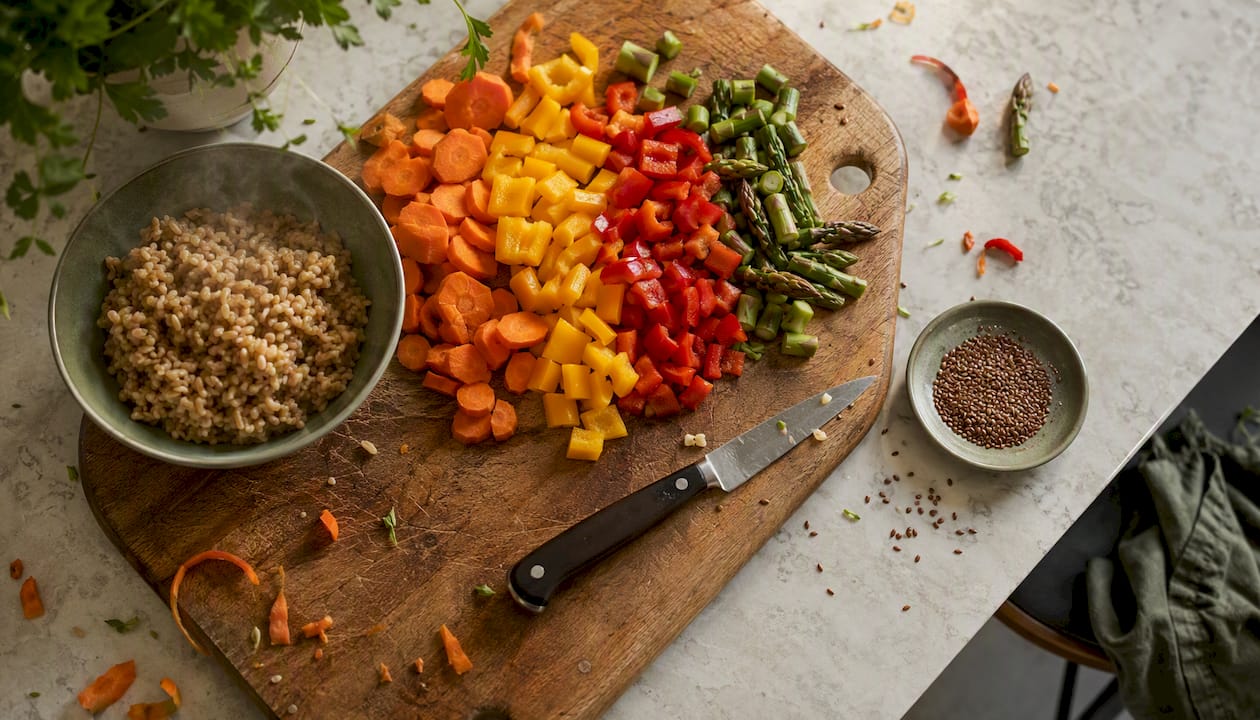
Small amounts of healthy fat — avocado, olive oil, nuts — support satiety and nutrient absorption without the gastric-emptying burden of fried or greasy foods. Keep fat portions modest, especially early in therapy.
Hydration target: 2.5–3 liters (80–100 oz) daily, per UCHealth guidance. Sip steadily through the day rather than drinking large amounts at once, which can add to fullness. Herbal teas, broth, and electrolyte water all count.
Pro Tip: Structure your plate in this order: protein first, non-starchy vegetables second, whole grains or starchy carbs last. Eating protein first takes advantage of your early satiety signal and locks in your most important nutrient before fullness sets in.
Which foods and drinks should you limit on GLP-1 therapy?
Certain foods reliably amplify GLP-1 side effects, particularly during dose increases. The mechanism is usually straightforward: anything that further slows gastric emptying, spikes blood sugar, or dehydrates you compounds what the medication is already doing.
Limit or avoid these while adjusting your dose:
-
High-fat fried foods (french fries, fried chicken, heavy cream sauces): fat dramatically slows gastric emptying on top of the drug’s effect, causing prolonged nausea and reflux. Swap to baked, grilled, or air-fried versions.
-
Very spicy foods: can irritate an already-sensitive stomach lining and trigger nausea or heartburn. Mild seasoning is fine; hot sauces and chili-heavy dishes are worth pausing during dose escalation.
-
Large, high-fat meals: a single oversized meal can sit in your stomach for hours. Splitting one large meal into two smaller ones eaten 2–3 hours apart is a practical fix.
-
Alcohol: dehydrates you, lowers your inhibitions around food choices, and can cause blood sugar swings. If you do drink, one small serving with food and extra water is a safer approach than skipping the precaution entirely.
-
Sugar-sweetened beverages and fruit juice: rapid glycemic spikes followed by crashes can worsen fatigue and hunger dysregulation. Sparkling water with a splash of citrus is a satisfying swap.
-
Ultraprocessed snacks (chips, crackers, packaged pastries): low in protein, high in refined carbs and sodium, and easy to overeat even when appetite is suppressed. Replace with Greek yogurt, cottage cheese, or a small handful of nuts.
What does a full day of eating look like on a GLP-1 plan?
A practical meal pattern: four to five small, protein-forward meals spaced every 3–4 hours, plus two to three protein-rich snacks. JAMA Internal Medicine notes that smaller, scheduled portions reduce the rapid-onset fullness that large meals trigger when gastric emptying is slowed.
Sample day (with protein estimates)
Breakfast Scrambled eggs (2 whole + 1 white) with sautéed spinach and ½ cup cottage cheese on the side. Protein: ~28 g. Low-appetite swap: a protein smoothie (1 scoop protein powder + ½ cup Greek yogurt + ½ banana + almond milk) for ~30 g in liquid form.
Mid-morning snack Plain Greek yogurt (6 oz) with a small handful of walnuts. Protein: ~18 g.
Lunch 3 oz grilled chicken or canned tuna over a bed of mixed greens, cucumber, and cherry tomatoes with olive oil and lemon. One small whole-grain roll on the side. Protein: ~26 g. Nausea-day swap: a warm broth-based chicken soup with soft vegetables and shredded chicken.
Afternoon snack ½ cup edamame (shelled) or 2 hard-boiled eggs. Protein: ~12–15 g.
Dinner 3–4 oz baked salmon with roasted zucchini and ½ cup quinoa. Protein: ~30 g. Low-appetite swap: a high-protein ready-to-drink nutrition shake alongside a small bowl of soft vegetable soup.
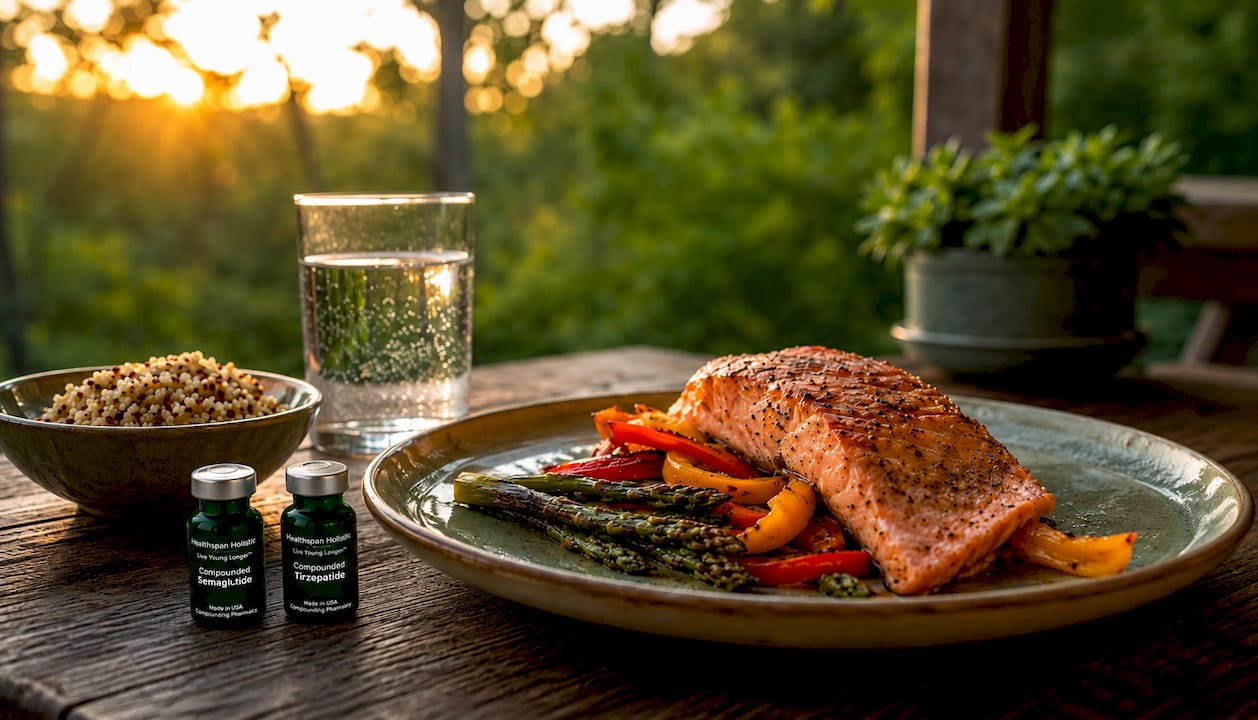
Evening snack (optional) 1 oz part-skim mozzarella with a few whole-grain crackers. Protein: ~7 g.
Total estimated protein: 119–126 g — well within the 1.0–1.5 g/kg range for most adults.
Three quick meal-builders
-
Protein smoothie formula: 1 scoop whey or plant protein + ½ cup Greek yogurt + ½ cup frozen berries + 1 cup unsweetened almond milk + 1 tsp chia seeds. Blend until smooth. Roughly 30–35 g protein, easy to sip slowly on shot days.
-
One-pot high-protein soup: Simmer 4 cups low-sodium chicken broth with 1 cup shredded rotisserie chicken, diced zucchini, canned white beans, and baby spinach. Season with garlic and lemon. Ready in 20 minutes; about 25 g protein per bowl.
-
Egg cups: Whisk 4 eggs with diced bell pepper, onion, and turkey sausage crumbles. Pour into a greased muffin tin and bake at 350°F for 18–20 minutes. Two egg cups deliver roughly 18 g protein and reheat in 60 seconds.
Shot-day grocery list starters: Greek yogurt, cottage cheese, protein powder, rotisserie chicken, canned tuna, eggs, edamame, low-sodium broth, soft vegetables (zucchini, spinach, carrots), oats, and a ready-to-drink protein shake for backup.
How do you manage nausea, constipation, and low appetite on GLP-1s?
Side effects are most common during the first few weeks and during dose increases. Most resolve with targeted food and behavior adjustments rather than dose changes.
Nausea
-
Eat smaller portions — think a fist-sized amount of food per sitting, not a full plate.
-
Start with protein before anything else; it digests more predictably than fat or refined carbs.
-
Sip ginger tea, ginger chews, or cold sparkling water between bites; ginger has a well-established record for reducing nausea.
-
Eat slowly and chew thoroughly. Cleveland Clinic clinicians note that the sensation of being “too full” is often misread as illness — slowing down and taking small bites frequently resolves it without any dose adjustment.
-
Avoid lying down for at least 30 minutes after eating to reduce reflux.
Constipation
-
Increase fluid intake first — aim for the full 2.5–3 L daily before adding fiber supplements.
-
Add soluble fiber gradually: oats, chia seeds, and cooked vegetables before raw ones.
-
If dietary fiber is insufficient, clinical guidance supports adding psyllium husk (1 teaspoon in 8 oz of water, once daily, increasing slowly). Clear any OTC supplement with your clinician first.
-
Move your body daily, even a 15–20 minute walk after meals supports gut motility.
-
Stool softeners (docusate sodium) are a common short-term option; confirm with your prescriber before starting.
Low appetite and under-eating
-
Set a phone reminder to eat every 3–4 hours, even when you are not hungry.
-
Prioritize liquid nutrition (protein shakes, Greek yogurt smoothies, broth-based soups) when solid food feels unappealing.
-
Keep high-protein, easy-to-eat foods visible and ready: hard-boiled eggs in the fridge, single-serve cottage cheese cups, protein bars with at least 15 g protein and minimal added sugar.
When to call your clinician
Contact your prescriber or care team if you experience any of the following:
-
Persistent vomiting (more than 24 hours) or inability to keep fluids down
-
Dizziness, lightheadedness, or near-fainting
-
Severe constipation lasting more than 3–4 days without relief
-
Significant decline in food or fluid intake over several days
-
Planned surgery (GLP-1s affect anesthesia and gastric emptying protocols)
How do you prevent muscle loss on GLP-1 therapy?
Protecting lean mass during GLP-1-associated weight loss comes down to two evidence-backed strategies: adequate protein intake and regular resistance training. Mayo Clinic guidance identifies this combination as the most effective real-world approach to maintaining muscle and strength during medically assisted weight loss.
What the research actually says about lean mass changes
A systematic review on PubMed found that lean-mass changes with GLP-1 therapies are heterogeneous. Reductions reported in some trials often include changes in fluid, organ mass, and intramuscular fat rather than pure skeletal muscle loss, and muscle quality can improve even when total lean mass decreases slightly. The practical takeaway: focus on strength and functional measures, not just the number on a body-composition scan.
Protein targets by body weight and activity level
For active adults doing resistance training, many studies support targets in the 1.2–1.6 g/kg range, per Mayo Clinic.
Resistance training recommendations
-
Frequency: 2–3 sessions per week, with at least one rest day between sessions.
-
Exercise selection: multi-joint movements (squats, deadlifts, rows, presses, lunges) recruit the most muscle and drive the strongest adaptive signal.
-
Progressive overload: gradually increase weight, reps, or sets over time as tolerated.
-
Protein timing: consuming 25–35 g of protein soon after a resistance session supports muscle protein synthesis.
For older adults or those with orthopedic limitations, chair-based resistance exercises, resistance bands, and water aerobics are effective starting points. If you are over 60 or have a chronic condition, discuss exercise progression with your clinician before increasing intensity.
Monitoring suggestions clinicians often use include a baseline metabolic panel, electrolytes, vitamin B12, and iron when intake is limited, with repeat testing every 3–6 months or when symptoms arise. You can review GLP-1-related nutrient deficiencies to understand which gaps are most common and how to address them proactively.
What can you realistically expect in the first weeks and months?
Setting honest expectations protects you from both discouragement and from pushing too hard too fast.
-
Weeks 1–4: Appetite suppression begins, often noticeably. Nausea and GI side effects are most common during this window, especially around dose increases. Weight loss in early weeks often reflects fluid shifts as much as fat loss.
-
Months 1–3: Side effects typically ease as your body adjusts. Appetite reduction becomes more consistent. Weight loss tends to accelerate as you find a sustainable eating rhythm.
-
Months 3–6+: Most people reach a more stable plateau in side effects. Weight loss continues but at a slower pace; body composition changes (less fat, preserved or improved muscle quality) become more meaningful than the scale number alone.
Clinical trial data shows that GLP-1 therapies produce meaningful weight loss over 3–6 months, but individual results vary widely based on dose, adherence, diet quality, and activity level. For context on the clinical evidence behind these outcomes, GLP-1 weight loss clinical evidence summarizes trial findings in plain language.
A safety note: rapid weight loss of more than 1–2 lb per week sustained over several months warrants a clinician review, particularly to assess lean-mass preservation, electrolyte balance, and nutrient status. Dizziness, hair thinning, or persistent fatigue during active weight loss are signals to check in sooner rather than later.
What should you discuss with your clinician or dietitian?
A focused conversation with your prescriber or a registered dietitian can make your GLP-1 plan significantly safer and more personalized. Here are the most useful questions and monitoring items to bring up.
Contact your clinician promptly if you experience:
-
Persistent vomiting or inability to keep fluids down for more than 24 hours
-
Inability to meet your protein or fluid targets for more than 2–3 consecutive days
-
Dizziness, syncope, or marked weakness
-
Severe or prolonged constipation
-
Any planned surgical procedure (GLP-1s require specific pre-op protocols)
Suggested lab tests and monitoring
A baseline panel before or shortly after starting therapy gives you a reference point for everything that follows. Mayo Clinic guidance recommends tracking:
-
Basic metabolic panel (kidney function, electrolytes, glucose)
-
Complete blood count (to catch early anemia)
-
Vitamin B12 (often depleted with reduced food intake)
-
Iron and ferritin (especially in premenopausal women or heavy exercisers)
-
Thyroid panel (thyroid function affects metabolism and weight-loss response)
-
Lipid panel (GLP-1s typically improve lipids, but baseline matters)
Healthspan Holistic’s metabolic panel covers the core markers, and the comprehensive hormone panel adds thyroid, sex hormones, and cortisol for adults over 40 who want a fuller picture.
Questions worth asking your prescriber
-
When is the right time to increase my dose, and what symptoms should prompt a pause?
-
If I am also taking diabetes medications, how do we adjust them as my blood sugar improves?
-
Do I need a protein supplement, B12, or any other nutrient support given my current intake?
-
Should I get a DEXA scan or functional strength test to track lean mass over time?
-
What is the difference between semaglutide and tirzepatide for my specific goals?
For a deeper look at the benefits and risks of GLP-1 medications before your appointment, GLP-1 benefits and risks explained is a solid starting point.
What I see working — and what most people miss
The patients who do best on GLP-1 therapy are not the ones who eat the least. They are the ones who treat the reduced appetite as a tool for eating better, not less. The most common pitfall I see is people drifting into a pattern of skipping meals because they are not hungry, then wondering why they feel fatigued, lose strength, or hit a plateau. The medication suppresses appetite; it does not supply protein or build muscle.
The second thing most people underestimate is how much the quality of early food choices shapes the entire arc of their experience. Someone who starts with a protein-first framework in week one tolerates dose increases better, loses a higher proportion of fat relative to lean mass, and feels more energetic throughout. Someone who defaults to crackers and coffee because “nothing sounds good” tends to struggle with fatigue, constipation, and muscle loss by month two.
Monitoring matters more than most people expect, too. A baseline metabolic panel and a repeat at three months can catch electrolyte dips, B12 decline, or iron depletion before they become symptoms. Pairing that data with a structured coaching plan, rather than guessing at supplements, is what separates a good outcome from a great one. The medically supervised GLP-1 approach consistently produces better outcomes than self-managed therapy, precisely because someone is watching the numbers alongside you.
Healthspan Holistic supports your GLP-1 plan with real data and coaching
Getting the diet right is one part of the equation. Knowing whether your body is actually responding well — your electrolytes, your lean mass, your hormones, your nutrient status — is the other part, and it is where most self-managed plans fall short.
Healthspan Holistic’s 90 Day Journey to Longevity pairs advanced diagnostics with one-on-one coaching to build a GLP-1 plan that is personalized to your labs, your body weight, and your goals. You get a baseline metabolic panel, hormone testing, and a coaching relationship that tracks your protein targets, adjusts your plan as your dose changes, and catches nutrient gaps before they become problems. For adults over 40 using GLP-1 therapy, this kind of structured, data-driven support is the difference between losing weight and losing the right kind of weight.
Ready to build a plan backed by your own data? Start the 90 Day Journey to Longevity and connect with a Healthspan Holistic coach today.
Sources
The following U.S.-based clinical and academic sources support the guidance in this article. Share them with your clinician or dietitian for personalized interpretation.
-
Warning: Nutrition is vital when taking GLP-1 weight loss drugs - UCHealth Today
-
PubMed: GLP-1 based therapies and lean mass effects (systematic review / commentary)
This article is general information, not a substitute for advice from a qualified doctor. Consult a qualified healthcare professional about your own circumstances before acting on anything here.
FAQ
What is the best diet for someone on a GLP-1 medication?
A protein-first diet with small, frequent meals every 3–4 hours is the most clinically supported approach. Prioritize 20–30 g of protein per meal, non-starchy vegetables, and 2.5–3 liters of water daily while limiting fried foods, alcohol, and ultraprocessed snacks.
How much weight can you lose on a GLP-1 in 3 months?
Weight loss in the first three months varies widely based on dose, diet quality, and activity level. Clinical trials show meaningful reductions over this period, but individual results depend heavily on adherence to a protein-forward eating plan and consistent physical activity.
How can you speed up weight loss safely on a GLP-1?
Add 2–3 resistance training sessions per week, hit your daily protein target (1.0–1.5 g/kg), and avoid skipping meals even when appetite is low. These steps preserve lean mass, support metabolism, and improve body composition beyond what the medication alone produces.
What do most people wish they knew before starting GLP-1 therapy?
Most people underestimate how much the quality of food choices matters when appetite is suppressed. Defaulting to low-protein, easy-to-grab foods leads to fatigue and muscle loss; planning protein-forward meals and snacks in advance makes the difference between a good outcome and a great one.
Leave a comment: