

There is no single best supplement for sleep, and that’s actually good news. The right choice depends on why you’re not sleeping, and for adults 45–75, the underlying causes vary widely: circadian drift, low magnesium, elevated evening cortisol, or hormonal shifts. A diagnostic-first plan, starting with sleep hygiene and targeted lab work, consistently outperforms random supplement stacking.
Here’s where to start:
-
Circadian misalignment (can’t fall asleep until late, jet lag, shift work): melatonin at low doses, timed strategically
-
Muscle tension or GABA dysregulation: magnesium glycinate or threonate, glycine, L-theanine
-
Stress-driven, racing-mind insomnia: adaptogens like ashwagandha, paired with cortisol testing
-
Suspected deficiency: run a Magnesium RBC test or Comprehensive Hormone Panel before committing to any nightly protocol
If you’re over 45 or on chronic medications, get labs first. Supplements work best when they address a confirmed gap, not a guess.
What the evidence says about supplements for sleep
The table below maps the most studied ingredients to their mechanisms, typical doses, and current evidence strength.
| Ingredient | Typical Starting Dose | Best Form | Evidence Grade |
|---|---|---|---|
| Melatonin | low doses | Immediate or controlled-release | Strong (circadian use) |
| Magnesium | 200–400 mg | Glycinate or threonate | Moderate–Strong |
| Glycine | 3 g | Powder or capsule | Moderate |
| L-theanine | typical moderate dose | Capsule or tablet | Moderate |
| Valerian root | moderate dose | Standardized extract | Moderate (mixed) |
| Ashwagandha | moderate dose | standardized extract | Moderate |
| Tart cherry | moderate serving | Juice or capsule | Limited–Moderate |
| CBD | variable doses | Full-spectrum or isolate | Limited (variable) |
| Passionflower | moderate dose | Standardized extract | Limited |
Melatonin is a circadian regulator, not a sedative. It signals dusk to the brain, shifting your sleep timing rather than knocking you out. Starting low doses taken a couple of hours before your intended bedtime work better than higher doses many people default to.
Magnesium acts like a spark plug for your nervous system. It supports muscle relaxation and GABAergic activity, and magnesium glycinate or threonate are the preferred forms for sleep, with most clinicians working in the 200–400 mg nightly range. Many people see results within 1–2 weeks.
Glycine (about 3 g before bed) lowers core body temperature, which is one of the body’s key signals for sleep onset. Glycine and L-theanine promote relaxation without heavy sedation, and their effects often appear within two weeks. L-theanine specifically increases alpha brain waves, which quiets mental chatter without causing daytime grogginess.
Valerian root has the most mixed track record. Some clinical trials show modest improvements in sleep latency and quality; others show no effect. It works best for menopausal sleep disruption and takes 2–4 weeks of consistent use.
Ashwagandha targets stress-driven insomnia. Studies show small but meaningful improvements with at least 600 mg daily over 4–8 weeks, making it a poor choice for quick fixes but a solid choice for chronic, cortisol-fueled poor sleep.
Tart cherry juice contains both melatonin and anthocyanins and may modestly increase sleep duration in older adults. It’s a food-first option worth trying before reaching for pills.
CBD shows promise in some studies for anxiety-related insomnia, but product quality and legal status vary by state. Treat it as experimental until your state’s regulations and a clinician’s input are confirmed.
Who benefits from which category:
-
Circadian problems (delayed sleep, jet lag): melatonin, tart cherry
-
Stress-driven insomnia: ashwagandha, L-theanine, adaptogenic blends
-
Muscle tension or difficulty staying asleep: magnesium glycinate, glycine
-
Deficiency-driven cases: magnesium (confirm with RBC test first), zinc
Quality matters. The FDA does not pre-approve dietary supplements for safety, efficacy, or purity. Dosages in many products don’t match their labels. Choose brands with third-party certification (USP, NSF International, or ConsumerLab) and avoid unknown online sellers.
How to choose your supplements using diagnostics
Random supplementation is expensive and often ineffective. A simple diagnostic pathway saves time and money.
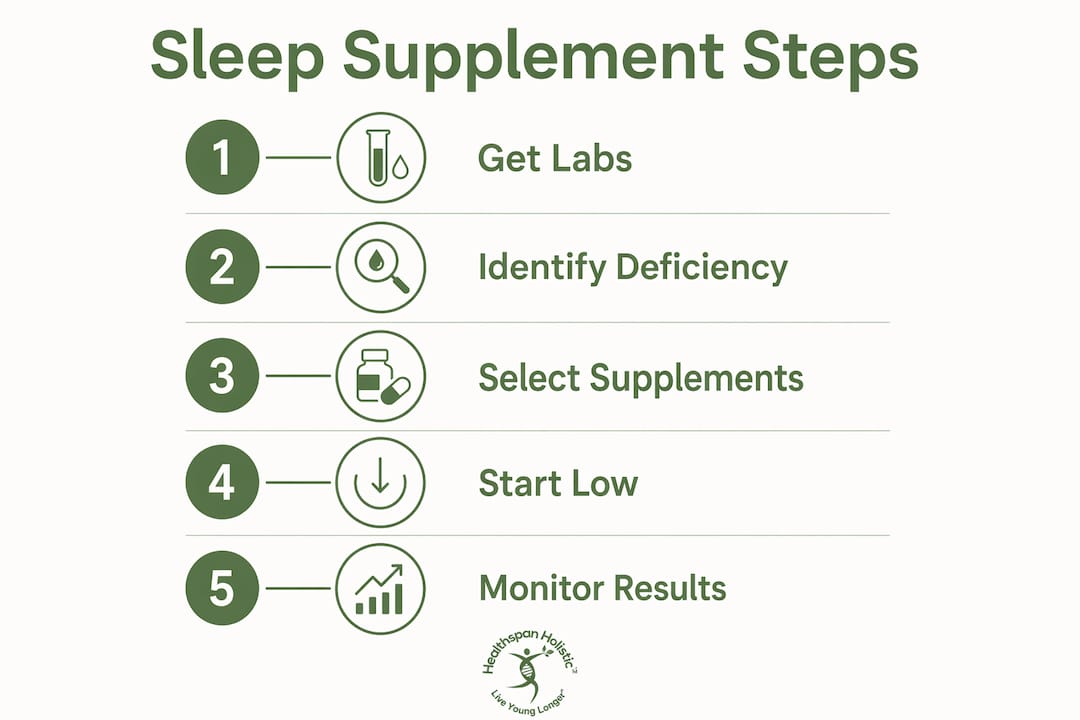
Step-by-step decision flow:
-
Assess sleep hygiene first. Fix schedule, light, caffeine, and screen use before adding anything.
-
Identify your dominant symptom. Can’t fall asleep? Wake at 3 AM? Restless legs? Each points to a different cause.
-
Run targeted labs. Match symptoms to tests:
-
Fatigue + muscle cramps + poor sleep: Magnesium RBC test
-
Racing mind, anxiety, weight changes: Comprehensive Hormone Panel (cortisol, thyroid, sex hormones)
-
Suspected heavy metal exposure or mineral imbalance: Toxic & Essential Minerals Test
-
Metabolic concerns (blood sugar, kidney/liver function): Metabolic Panel
-
Loud snoring, daytime sleepiness: sleep apnea screening before any supplement
-
-
Match results to supplements. Low RBC magnesium → magnesium glycinate. Elevated evening cortisol → ashwagandha or phosphatidylserine. Low melatonin precursors → tart cherry or low-dose melatonin.
-
Trial one supplement at a time. This lets you isolate what’s working.
Practical notes on labs:
-
RBC magnesium is more accurate than serum magnesium for assessing sleep-relevant stores. Serum levels can appear normal even when intracellular levels are low.
-
Hormone panels typically return results within 5–7 business days through telehealth or direct-to-consumer services.
-
Costs vary: individual tests often run $50–$200 out of pocket; bundled panels can be more economical.
Pro Tip: Always interpret RBC magnesium results with a clinician. A result in the “normal” range doesn’t always mean optimal for sleep, especially in adults over 50 with high stress loads.
How to use sleep supplements safely
Supplements feel low-risk, but for adults 45–75 on multiple medications, the interaction risk is real.
Key interactions to watch:
-
Anticoagulants (warfarin, aspirin): valerian and some herbal blends may increase bleeding risk
-
Antihypertensives: magnesium can potentiate blood pressure lowering
-
Sedatives and opioids: valerian, melatonin, and L-theanine add CNS depression; never stack with benzodiazepines without clinician guidance
-
Hypoglycemics: ashwagandha may lower blood sugar; monitor closely if diabetic
Avoid OTC antihistamines (diphenhydramine, doxylamine) for sleep. Mayo Clinic flags anticholinergic risks in adults over 65, including rapid tolerance, daytime drowsiness, and potential links to cognitive decline with long-term use.
Trial timeline at a glance:
| Supplement | Expected Onset | Recommended Trial Length |
|---|---|---|
| Melatonin | Immediate | 1–4 weeks |
| Magnesium | 1–2 weeks | 4–8 weeks |
| Glycine / L-theanine | Immediate to 2 weeks | 2–4 weeks |
| Valerian / Ashwagandha | 2–4 weeks | 4–8 weeks |
Stop and consult a clinician if you notice: excessive daytime sleepiness, new memory or cognitive issues, GI distress that persists beyond a week, or any new interaction with a recently added medication.
Pro Tip: Start one supplement at a time at the lowest effective dose. Stacking three new supplements on night one makes it impossible to know what’s helping or causing side effects.
Lifestyle habits that matter more than any supplement
Sleep medicine experts consistently emphasize that lifestyle changes outperform supplements for chronic insomnia. Supplements are adjuncts, not replacements.
Your evening routine checklist:
-
Consistent sleep and wake times, even on weekends. This is the single highest-leverage habit.
-
Last caffeine by 1–2 PM. Caffeine’s half-life is 5–7 hours; a 3 PM coffee still affects sleep at 10 PM.
-
Dim lights and screens 1–2 hours before bed. Blue light suppresses melatonin production.
-
Bedroom: cool (65–68°F), dark, and quiet. Temperature drop is a biological sleep trigger.
-
Avoid heavy meals within 2–3 hours of bed. A light carbohydrate snack can help; meal timing and macronutrient choices affect sleep quality more than most people realize.
-
Exercise earlier in the day. Vigorous exercise within 2–3 hours of bed can delay sleep onset.
Wearables like WHOOP or Oura Ring give you objective sleep-stage data, which helps you measure whether a supplement is actually working versus a placebo effect. A simple sleep diary (bedtime, wake time, quality rating) works just as well if you prefer low-tech.
Pro Tip: If you wake at 3 AM, stay in darkness. Turning on lights or checking your phone resets your circadian clock and makes it harder to fall back asleep. Darkness is the signal your brain needs to re-initiate sleep.
Red flags that mean supplements aren’t the right answer
Some sleep problems need a clinician, not a supplement.
Stop and seek evaluation if you have:
-
Loud, chronic snoring with daytime sleepiness (possible obstructive sleep apnea)
-
Witnessed breathing pauses during sleep
-
Sudden daytime sleep attacks or falling asleep while driving
-
Falls, fainting, or new heart rhythm irregularities
-
Worsening mood, memory, or cognition alongside poor sleep
-
Insomnia lasting more than 3 months despite consistent sleep hygiene and supplement trials
What to ask for:
-
A home sleep apnea test or in-lab polysomnography if OSA is suspected
-
A referral for Cognitive Behavioral Therapy for Insomnia (CBT-I), which has stronger long-term evidence than any supplement for chronic insomnia
-
ENT, pulmonology, or cardiology evaluation when snoring, breathing, or cardiac symptoms are present
-
Relevant labs: thyroid panel, cortisol, complete metabolic panel
When you see your primary care provider, bring a one-week sleep diary. Specific data (bedtime, wake time, number of awakenings, daytime energy) gets you a faster, more targeted referral than “I’m not sleeping well.”
Key Takeaways
A diagnostic-first approach, starting with sleep hygiene and targeted lab work, consistently outperforms random supplement stacking for adults 45–75.
| Point | Details |
|---|---|
| No universal best supplement | Effectiveness depends on the root cause: circadian, deficiency, stress, or tension. |
| Labs before supplements | Magnesium RBC, hormone panel, and metabolic tests identify what to address. |
| Melatonin is a timing tool | Use 1.5–3 mg strategically for circadian misalignment, not as a nightly sedative. |
| Trial one at a time | Isolate effects with a 2–8 week trial per supplement before adding another. |
| Healthspan Holistic | Offers diagnostic testing, personalized coaching, and professional-grade sleep supplements through its 90 Day Journey to Longevity. |
Why we favor a diagnostic-first approach to sleep
The supplement aisle is full of products promising better sleep, and most of them work for someone. The problem is that “someone” is rarely defined. Magnesium glycinate is genuinely helpful for a person with low RBC magnesium and muscle tension. It does almost nothing for someone whose insomnia is driven by elevated evening cortisol or undiagnosed sleep apnea.

At Healthspan Holistic, we’ve built our approach around a simple conviction: guessing costs more, in time, money, and lost sleep, than testing. When you know your magnesium status, your cortisol curve, and your hormonal baseline, supplement choices become obvious rather than experimental. Lab data plus personalized coaching produces outcomes that no off-the-shelf sleep stack can replicate.
We also think the supplement quality conversation is underrated. Because the FDA does not pre-approve dietary supplements, the gap between a professional-grade, third-party tested product and a bargain-bin version of the same ingredient can be enormous. Healthspan Holistic’s store carries professional-grade formulations specifically selected for adults focused on healthspan, not just a quick fix.
Healthspan Holistic’s sleep diagnostics and supplement programs
If you’ve read this far, you already know that better sleep starts with knowing why you’re not sleeping well. Healthspan Holistic gives you the tools to find out fast.
Our services relevant to sleep include:
-
90 Day Journey to Longevity — our flagship program combining advanced diagnostics, AI-powered analytics, and one-on-one health coaching to build a personalized sleep and longevity plan
-
Magnesium RBC Test — detects intracellular magnesium deficiency, the most sleep-relevant measure
-
Comprehensive Hormone Panel — evaluates cortisol, thyroid, and sex hormones that directly affect sleep architecture
-
Toxic & Essential Minerals Test — identifies mineral imbalances and heavy metal exposures that disrupt sleep
-
Metabolic Panel — screens blood sugar, kidney, and liver function before starting any supplement protocol
-
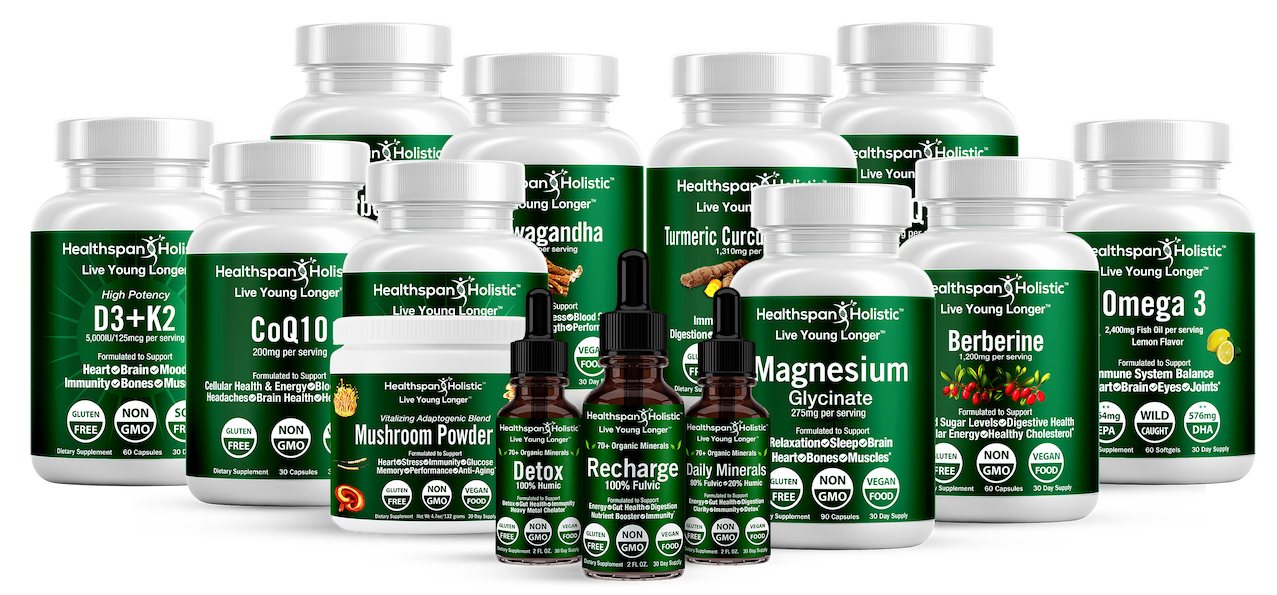
Professional-grade sleep supplements — including magnesium glycinate, controlled-release melatonin, and clinical sleep support packs
1st Time Customers can take advantage of our BUY 1 GET 1 50% OFF special offer on all supplements.
This article is for general informational purposes only and is not a substitute for professional medical advice. Confirm supplement choices and lab interpretations with a qualified clinician for your specific situation.
Useful sources
-
American Academy of Sleep Medicine (AASM) — clinical guidelines for sleep disorders, CBT-I protocols, and sleep apnea diagnosis
-
National Center for Complementary and Integrative Health (NCCIH/NIH) — evidence reviews on melatonin, valerian, magnesium, and other natural sleep aids
-
PubMed: Herbal and Natural Supplements for Sleep (PMC) — peer-reviewed literature review covering valerian, melatonin, magnesium, glycine, and more
-
Johns Hopkins Medicine: Natural Sleep Aids — practical guidance on lifestyle, food-first options, and supplement safety
-
Mayo Clinic: OTC Sleep Aids — safety guidance on antihistamines and older-adult risks
-
Hartford HealthCare: Sleep Supplements — clinician perspective on melatonin, magnesium, and dosing
-
Sleep Foundation: Natural Sleep Aids — consumer-facing overview of evidence grades and safety considerations
FAQ
What supplements for sleep work best for adults over 45?
Magnesium glycinate (200–400 mg), low-dose melatonin (1.5–3 mg), glycine (3 g), and L-theanine have the strongest evidence for adults 45+, but the best choice depends on the underlying cause of your sleep problem. A Magnesium RBC test or hormone panel helps identify which supplement is most likely to work for you.
Do sleep supplements actually work?
Some do, for specific problems. Melatonin works well for circadian misalignment, magnesium helps with tension and deficiency-driven sleep issues, and ashwagandha shows modest benefits for stress-related insomnia after 4–8 weeks of consistent use.
Is melatonin safe to take every night?
Short-term use is generally considered safe, but nightly high-dose melatonin is not recommended. Clinicians suggest low starting doses of 1.5–3 mg and strategic timing rather than habitual nightly use, especially for adults who don’t have a confirmed circadian misalignment.
What’s the difference between melatonin and natural sleep aids like magnesium?
Melatonin is a circadian timing hormone; it shifts when you sleep. Magnesium, glycine, and L-theanine support the quality of sleep by promoting muscle relaxation and calming the nervous system. They address different mechanisms and are often more complementary than interchangeable.
When should I see a doctor instead of trying supplements?
Seek evaluation if you have loud snoring with daytime sleepiness, witnessed breathing pauses, insomnia lasting more than 3 months, or worsening memory and mood. These signs point to conditions like obstructive sleep apnea or clinical insomnia that require medical treatment, not supplements.
Leave a comment: