

The highest-impact ways to boost vitality come down to five core actions: move your body daily, sleep 7–9 hours, stay hydrated, stabilize your blood sugar through steady nutrition, and actively manage stress. Research from Harvard Health confirms that these practical strategies, applied consistently, produce measurable improvements in daily energy. You don’t need to overhaul your life overnight. Start with what you can do in the next 10 minutes, then build from there.
Right now (next 10 minutes):
-
Drink a full glass of water
-
Step outside for 5 minutes of sunlight and movement
-
Eat a small protein-containing snack if it’s been more than 3 hours since your last meal
-
Take three slow, deep breaths to lower cortisol
This week, start building:
-
A consistent sleep and wake schedule (same time daily, including weekends)
-
A 20–30 minute walk after dinner, three times this week
| Timeframe | What you can expect |
|---|---|
| Minutes | Sharper alertness after water, movement, or a breathing exercise |
| Days | Steadier energy between meals; less mid-afternoon slump |
| 2–4 weeks | Noticeably improved sleep quality, mood, and stamina |
| 6–12 weeks | Measurable gains in strength, cardiovascular endurance, and cognitive clarity |
Key Takeaways
The most effective ways to boost vitality combine immediate lifestyle actions with personalized testing when those actions plateau.
| Point | Details |
|---|---|
| Move, sleep, hydrate first | These three levers produce measurable energy gains within days and are the foundation of every other strategy. |
| Clinician thresholds matter | Aim for 7–9 hours of sleep and 150 minutes of aerobic activity per week, plus 2 strength sessions, as the evidence-backed baseline. |
| Test before you supplement | Check ferritin, B12, vitamin D, and HbA1c before adding supplements; deficiencies are common and correctable in adults over 40. |
| Stress drains energy biologically | Consistent breathing practices, the four P’s framework, and purposeful mental engagement protect and restore cognitive vitality. |
| Healthspan Holistic | Offers comprehensive blood panels, wearable integration, and clinician-led coaching for adults whose energy doesn’t respond to lifestyle changes alone. |
What are the fastest ways to boost vitality right now?
When your energy crashes, you need a fix that works in minutes, not days. These 10 tactics are grounded in physiology, not wishful thinking.
-
Drink 16 oz of water. Even mild dehydration blunts concentration and raises perceived effort. Water is the fastest, cheapest energy lever you have.
-
Take a 2–5 minute brisk walk. Moving your large muscle groups increases circulation and releases mood-lifting neurotransmitters within minutes.
-
Step into sunlight. Natural light suppresses melatonin and resets your circadian rhythm, sharpening alertness immediately.
-
Try box breathing. Inhale for 4 counts, hold for 4, exhale for 4, hold for 4. Repeat four times. This activates your parasympathetic nervous system and reduces the cortisol that drains energy.
-
Eat a small protein snack. A handful of almonds, a hard-boiled egg, or Greek yogurt stabilizes blood sugar and prevents the glucose crash that causes brain fog.
-
Splash cold water on your face. The diving reflex slows your heart rate briefly, then rebounds with a surge of alertness.
-
Take a 10–20 minute nap. A short nap restores alertness without entering deep sleep, so you wake refreshed rather than groggy.
-
Stretch for 5 minutes. Gentle neck rolls, shoulder openers, and hip flexor stretches release tension that quietly drains energy throughout the day.
-
Listen to an upbeat song. Music activates dopamine pathways and can shift your mental state within 60 seconds.
-
Reduce your screen for 10 minutes. Blue light and cognitive overload from screens are silent energy drains. A brief digital pause restores focus.
Pro Tip: Caffeine works best when timed strategically. Consume it 30–60 minutes after waking (not immediately, when cortisol is already peaking) and avoid it after 2:00 PM to protect sleep quality. Stick to 200–400 mg daily for most adults, and pair it with water to offset its mild diuretic effect.
A word on naps: if you struggle with insomnia or have difficulty falling asleep at night, daytime naps can worsen nighttime sleep quality. In that case, opt for a 5-minute breathing or movement break instead.
Daily habits that build real, sustained energy over time
Short boosts matter, but lasting vitality comes from the structure of your day. Healthline’s review of evidence-based energy strategies confirms that sleep, movement, hydration, and social connection each contribute measurably to daily energy levels when practiced consistently.
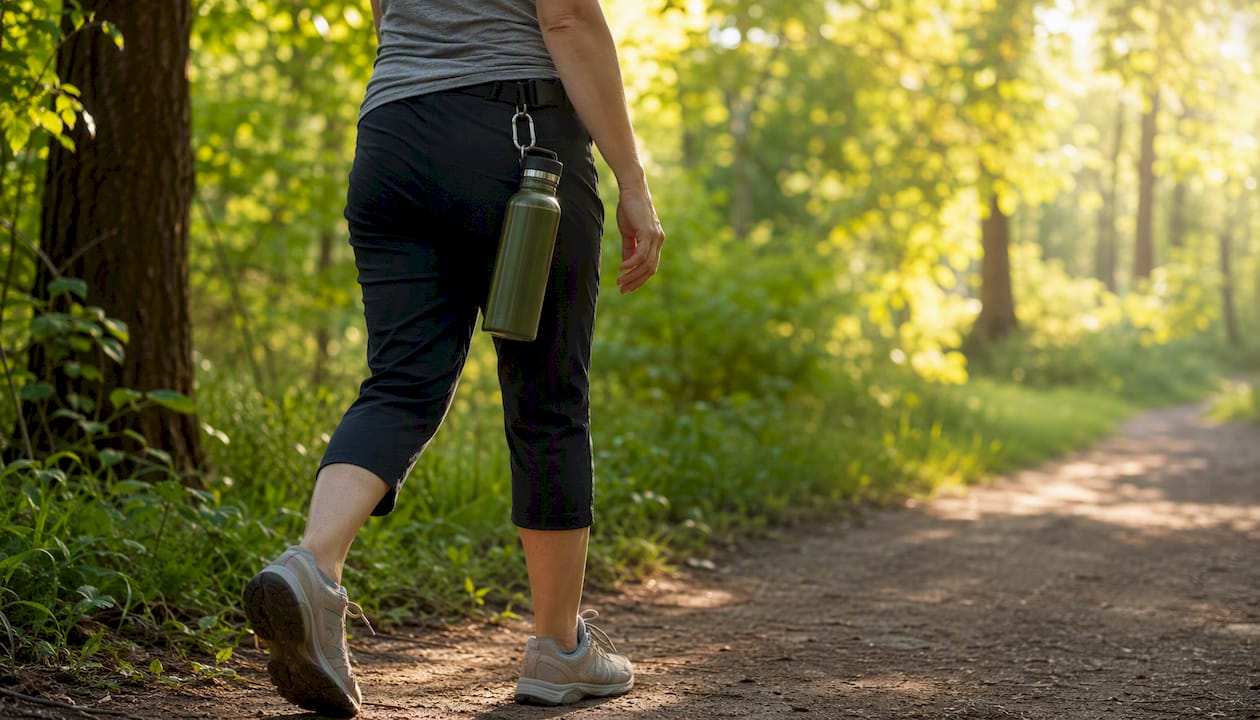
Morning: Wake at the same time every day and get outside within 30 minutes. Light exposure anchors your circadian rhythm, which governs energy peaks and troughs throughout the day. Eat a protein-rich breakfast within an hour of waking. Skip the sugary cereal; choose eggs, Greek yogurt, or a smoothie with protein powder and nut butter.
Daytime: Eat every 3–4 hours to keep blood sugar stable. Build in a 10-minute movement break every 90 minutes if you work at a desk. Hydrate steadily rather than gulping large amounts at once. Keep a water bottle visible as a passive reminder. Limit ultra-processed foods and high-sugar snacks, which spike glucose and then crash it, leaving you more fatigued than before.
Evening: Wind down screens 60–90 minutes before bed. Dim the lights. Keep your bedroom cool (around 65–68°F). Avoid alcohol within 3 hours of sleep; it fragments sleep architecture even when it feels sedating. Aim for 7–9 hours in bed, not just time lying down.
The National Academies’ fluid intake guidance sets general hydration targets that recommend men consume ample total daily fluids, including beverages and food, to maintain hydration, from both beverages and food. Women’s needs are somewhat lower, and fruits and vegetables contribute meaningfully to that total. Staying ahead of thirst is the practical goal.
What to eat (and avoid) so your energy stays steady all day
Steady energy comes from steady blood sugar, adequate protein, healthy fats, and sufficient micronutrients. The foods you choose act as either fuel or friction.
| Eat more of these | Limit or avoid these |
|---|---|
| Oats, quinoa, sweet potato (low-GI carbs) | White bread, pastries, sugary cereals |
| Eggs, chicken, legumes, Greek yogurt (protein) | Fried foods, processed deli meats |
| Avocado, olive oil, walnuts (healthy fats) | Trans fats, hydrogenated oils |
| Spinach, kale, broccoli (iron and B vitamins) | Energy drinks with high sugar content |
| Berries, oranges, watermelon (hydrating + antioxidants) | Alcohol (disrupts sleep and depletes B vitamins) |
| Salmon, sardines (omega-3s for brain energy) | Ultra-processed snacks (spike then crash blood sugar) |
Meal timing matters almost as much as food choice. Eating small, protein-containing meals or snacks every 3–4 hours reduces glycemic swings and prevents the energy crashes that large, infrequent meals tend to cause. If you skip meals or eat very restrictively, your body shifts into conservation mode, and fatigue is one of the first signals.
On supplements: before adding anything to your routine, consider checking your baseline labs. Deficiencies in B vitamins, ferritin (stored iron), and vitamin D are among the most common and correctable causes of persistent fatigue in adults over 40. Supplementing without knowing your levels can be ineffective or, in some cases, counterproductive. Testing first is the smarter path.
-
Check ferritin, not just hemoglobin, for iron status
-
Vitamin D deficiency is widespread and often silent
-
B12 absorption declines with age; testing is especially relevant after 50
-
HbA1c reveals whether blood sugar patterns are quietly draining your energy
For a deeper look at evidence-based supplements for longevity after 40, Healthspan Holistic’s educational library is a good starting point.
Why exercise and better sleep actually increase your biological energy
Exercise and sleep are the two most powerful, evidence-backed levers for sustained vitality. Not because they feel good in the moment, but because they change your biology at the cellular level.
Harvard Health’s research on exercise and energy explains the mechanism clearly: regular exercise increases mitochondria in muscle cells, builds capillaries that deliver oxygen to tissues more efficiently, raises mood-lifting neurotransmitters like serotonin and dopamine, and is the only proven lifestyle behavior that measurably increases time spent in deep sleep. That last point is worth sitting with. No supplement, no biohack, and no sleep gadget has replicated what consistent physical activity does for sleep architecture.
Key finding: Exercise is the only lifestyle intervention with strong evidence for increasing deep sleep duration, which is the phase where physical and cognitive restoration actually happens.
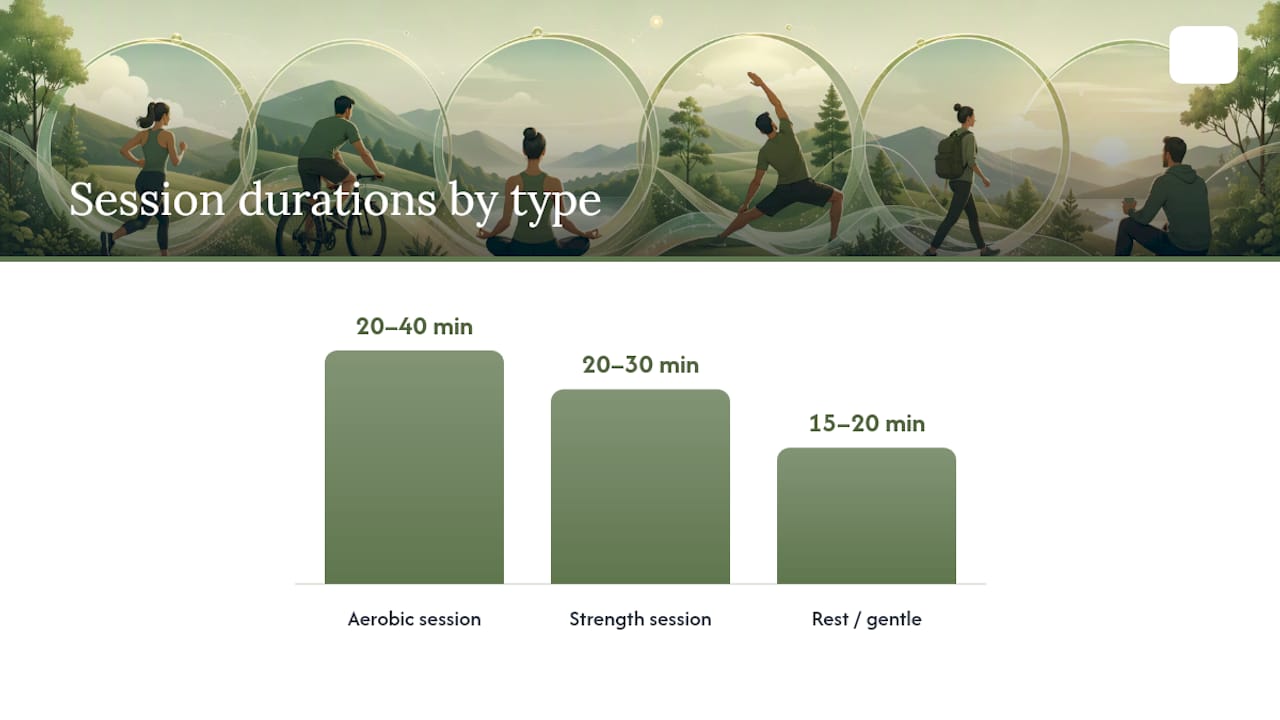
Sample beginner week (build toward 150 min/week aerobic + 2 strength sessions):
| Day | Activity | Duration |
|---|---|---|
| Monday | Brisk walk | 20 min |
| Tuesday | Bodyweight strength (squats, push-ups, rows) | 20 min |
| Wednesday | Walk or light cycling | 20–30 min |
| Thursday | Rest or gentle yoga | 20 min |
| Friday | Brisk walk + brief strength circuit | 30 min |
| Saturday | Longer walk, hike, or swim | 30–40 min |
| Sunday | Rest or light stretching | 15 min |
For adults over 40, resistance training carries extra weight. Clinical research shows that physical activity interventions, including resistance training, improve muscle mass, function, and perceived energy across age groups. Preserving muscle mass directly supports ATP production, the cellular currency of energy.
Pro Tip: Track your sleep with a wearable (Garmin, Oura Ring, or Apple Watch) or a simple sleep diary. Note your bedtime, wake time, and a 1–10 energy rating each morning. After two weeks, patterns emerge that tell you exactly which habits are helping and which are quietly costing you.
How to manage stress and keep your mental energy from draining away
Stress is one of the most underestimated energy drains. Chronic stress floods your body with cortisol, disrupts sleep, suppresses digestion, and leaves you mentally exhausted even on days when you haven’t done much physically. The good news: short, consistent practices make a real difference.
Three breathing techniques worth using daily:
-
4-7-8 breathing: Inhale for 4 counts, hold for 7, exhale for 8. Activates the parasympathetic nervous system within minutes.
-
Box breathing: Four counts in, hold, out, hold. Used by Navy SEALs to manage acute stress; works equally well at your desk.
-
Diaphragmatic breathing: Place one hand on your belly. Breathe so your belly rises, not your chest. Five minutes lowers heart rate and perceived stress.
A 5-minute mindfulness practice, simply sitting quietly and noticing your breath without judgment, reduces the cognitive load that drains mental energy. Apps like Headspace or Insight Timer can guide you if you’re new to it. The NIH’s emotional wellness resources confirm that resilience-building practices reduce psychological energy drains and improve both sleep and motivation.
The “four P’s” of energy budgeting, drawn from Harvard Health’s energy management guidance, offer a practical framework:
-
Prioritize: Identify your two or three most important tasks each day and protect energy for those first.
-
Plan: Schedule demanding tasks during your natural energy peaks (usually mid-morning for most adults).
-
Pace: Build in short breaks every 60–90 minutes rather than pushing through until you crash.
-
Position: Arrange your environment to reduce unnecessary effort (ergonomic setup, supplies within reach, phone on silent).
Beyond stress reduction, purposeful mental engagement actively creates vitality. Harvard Health research on cognitive engagement links volunteering, learning new skills, and complex hobbies to preserved cognitive function and energy in older adults. For adults over 40, this isn’t optional enrichment. It’s a genuine vitality strategy.
When low energy is a medical symptom, not a lifestyle problem
Fatigue that doesn’t respond to better sleep, hydration, and exercise deserves clinical attention. Mayo Clinic’s fatigue overview identifies thyroid dysfunction, anemia, depression, medication side effects, and chronic illness as among the most common underlying causes of persistent fatigue. These conditions are treatable, but only if identified.
Common medical causes of low vitality:
-
Hypothyroidism (underactive thyroid)
-
Iron-deficiency anemia or low ferritin
-
Depression or anxiety disorders
-
Obstructive sleep apnea
-
Type 2 diabetes or prediabetes
-
Chronic kidney or liver disease
-
Medication side effects (beta-blockers, antihistamines, statins, and others)
-
Nutritional deficiencies (B12, vitamin D, magnesium)
Red flags that warrant prompt clinician evaluation:
-
Fatigue accompanied by unintentional weight loss
-
Night sweats without an obvious cause
-
Severe shortness of breath with minimal exertion
-
Chest pain or palpitations
-
Cognitive decline or sudden memory changes
-
Fatigue that has lasted more than 4–6 weeks despite lifestyle improvements
Lab tests a clinician may order:
-
CBC with ferritin (screens for anemia and iron stores)
-
TSH (thyroid function)
-
Comprehensive metabolic panel (kidney, liver, blood sugar)
-
Vitamin B12 and vitamin D levels
-
HbA1c (average blood sugar over 3 months)
Lab results require clinician interpretation. A number outside the reference range is a starting point for conversation, not a self-diagnosis. If you’re experiencing any red flags above, see your doctor before trying to manage fatigue on your own.
When does personalized testing and coaching make sense?
Lifestyle changes work for most people, most of the time. But when fatigue persists despite consistent effort, or when you’re navigating age-related changes, medications, or a chronic condition, personalized diagnostics and coaching offer a level of precision that general advice cannot match.
A clinically grounded vitality program typically includes:
-
Comprehensive blood panels: ferritin, B12, TSH, HbA1c, lipid panel, vitamin D, and mitochondrial markers when appropriate
-
Wearable data integration: sleep stages, heart rate variability, and activity patterns analyzed over time
-
Optional genetic reports: nutrigenomics and pharmacogenomics to guide supplement and nutrition choices
-
AI-powered analytics: identifying patterns across lab, wearable, and lifestyle data that a single snapshot misses
-
Tailored coaching: data-driven nutrition and exercise prescriptions, supplement recommendations informed by actual lab results, and ongoing accountability
Healthspan Holistic’s longevity guide for adults 40–75 explains how this model works in practice. The key principle: licensed clinicians interpret diagnostic results, and supplement or treatment recommendations follow the data, not assumptions. For adults who have tried the lifestyle basics and still feel stuck, this is the logical next step.
Your 7-day starter plan to begin building vitality right now
Follow this 7-day plan to get immediate wins and collect baseline data for personalization. Each day has one to three clear actions. Keep them simple enough to actually do.
-
Day 1 — Hydrate and move. Drink 8 glasses of water. Take a 15-minute walk after dinner. Note your energy level (1–10) before bed.
-
Day 2 — Sleep hygiene. Set a consistent bedtime. Put your phone in another room. Aim for 7.5 hours in bed.
-
Day 3 — Nutrition reset. Swap one high-sugar food for a protein-rich alternative. Eat within 1 hour of waking.
-
Day 4 — Stress practice. Try 5 minutes of box breathing in the morning. Take a 10-minute screen-free break at midday.
-
Day 5 — Strength session. Do 20 minutes of bodyweight exercises (squats, push-ups, lunges). No gym required.
-
Day 6 — Social and mental engagement. Call a friend, join a class, or spend 30 minutes on a complex hobby. Note how your energy feels afterward.
-
Day 7 — Assess and plan. Review your energy journal. Identify the one habit that made the biggest difference. Book a baseline lab check if fatigue persists.
Daily energy journal template (copy and use):
-
Energy rating (1–10): ___
-
Main activity today: ___
-
One tweak I noticed: ___
After 7 days, you’ll have real data about your own patterns, which is far more useful than any generic advice.
Why the standard vitality advice often misses the point
Most articles on increasing energy hand you a list of tips and call it done. Drink more water. Sleep more. Exercise. That advice isn’t wrong, but it treats vitality as a checklist rather than a system.
What actually moves the needle for adults over 40 is understanding that energy is a biological output, not a willpower problem. Your mitochondria, your thyroid, your iron stores, your sleep architecture, and your stress hormones are all interacting constantly. Improving one lever without understanding the others produces limited results. That’s why someone can sleep 8 hours and still wake exhausted, or exercise regularly and still feel drained by noon.
The most underestimated insight in vitality research is this: the sequence matters. Fixing sleep before adding exercise is more effective than the reverse, because sleep deprivation blunts the neurotransmitter response that makes exercise energizing. Similarly, correcting a nutrient deficiency before adding a supplement protocol is more effective than layering products onto an undiagnosed gap.
We also tend to undervalue social connection as a vitality lever. The research on cognitive engagement and purposeful activity in adults over 40 is consistent: people who stay mentally and socially active preserve energy and cognitive function longer than those who don’t. It’s not soft advice. It’s biology.
The practical takeaway: treat your vitality as a system to understand, not a problem to fix with a single intervention. Start with the basics, track your response, and escalate to personalized testing when the basics plateau.
Ready to go further? Healthspan Holistic can help you get there faster
When lifestyle changes have been consistent for weeks and energy still isn’t where it should be, professional testing and coaching close the gap that general advice leaves open.
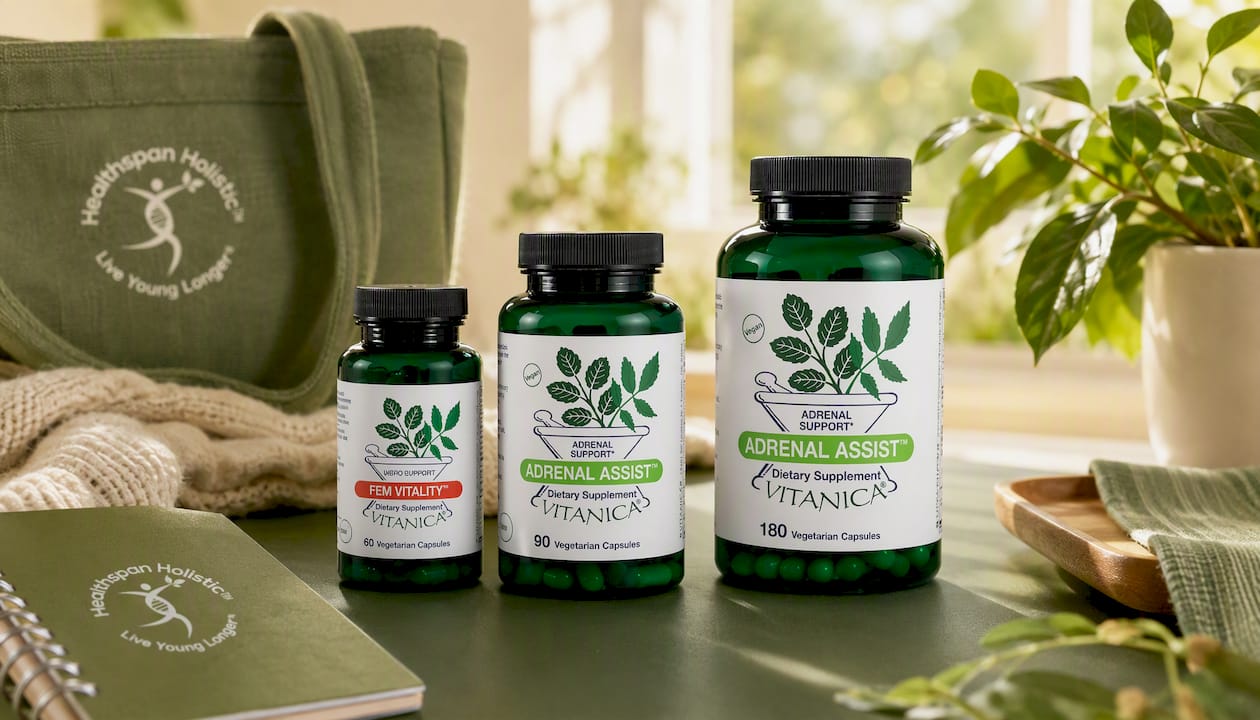
Healthspan Holistic offers comprehensive diagnostic blood panels, wearable data integration, and one-on-one coaching with licensed clinicians who interpret your results and build a plan around your actual biology, not averages. For women navigating hormonal shifts and energy changes, Fem Vitality 60 Capsules is a targeted option worth discussing with your clinician. For adults dealing with stress-related fatigue and adrenal strain, Adrenal Assist 90 Capsules and the Adrenal Assist 180 Capsules option for longer-term support are both available in the store.
A clinician consult is recommended before starting any targeted supplement protocol. Visit Healthspan Holistic to explore diagnostic services, browse the supplement collection, or book a consultation.
Sources
Lab results should always be interpreted by a licensed clinician. This article provides general wellness information and is not a substitute for professional medical advice.
FAQ
What are the 7 habits of longevity?
While definitions vary, the most consistently cited habits in longevity research are: regular aerobic and strength exercise, 7–9 hours of quality sleep, a diet rich in whole foods and low in ultra-processed items, staying hydrated, managing chronic stress, maintaining strong social connections, and avoiding smoking and excess alcohol.
How do I increase my vitality status?
Start with the highest-impact basics: consistent sleep, daily movement, steady hydration, and blood-sugar-stabilizing nutrition. If fatigue persists after 4–6 weeks of consistent effort, consider baseline lab testing (ferritin, TSH, B12, vitamin D) to identify correctable deficiencies, as Mayo Clinic notes that persistent fatigue often has an underlying medical cause.
What causes a lack of vitality?
The most common causes include poor sleep quality, chronic stress, nutritional deficiencies (especially iron, B12, and vitamin D), insufficient physical activity, and dehydration. Medical conditions such as hypothyroidism, anemia, depression, and sleep apnea are also frequent culprits and require clinical evaluation to diagnose and treat.
How soon will I feel more energetic after making lifestyle changes?
Some improvements, like sharper alertness after hydrating or a short walk, happen within minutes. Steadier energy between meals typically appears within a few days of improving nutrition. Meaningful gains in sleep quality, stamina, and mood generally emerge within 2–4 weeks of consistent habits, with stronger results at the 6–12 week mark.
When should I see a doctor about low energy?
See a clinician promptly if fatigue is accompanied by unintentional weight loss, night sweats, chest pain, severe shortness of breath, or cognitive changes, or if it has lasted more than 4–6 weeks despite genuine lifestyle improvements. These are red flags that warrant evaluation beyond lifestyle adjustment.
Leave a comment: