

TL;DR:
- A holistic health approach treats the whole person—physical, mental, emotional, and spiritual—rather than just symptoms. Evidence supports integrating mind-body practices, personalized testing, and targeted nutrition to improve well-being for adults over 45. Combining conventional medicine with holistic strategies enhances healthspan, empowers patients, and relies on measurable, evidence-based care.
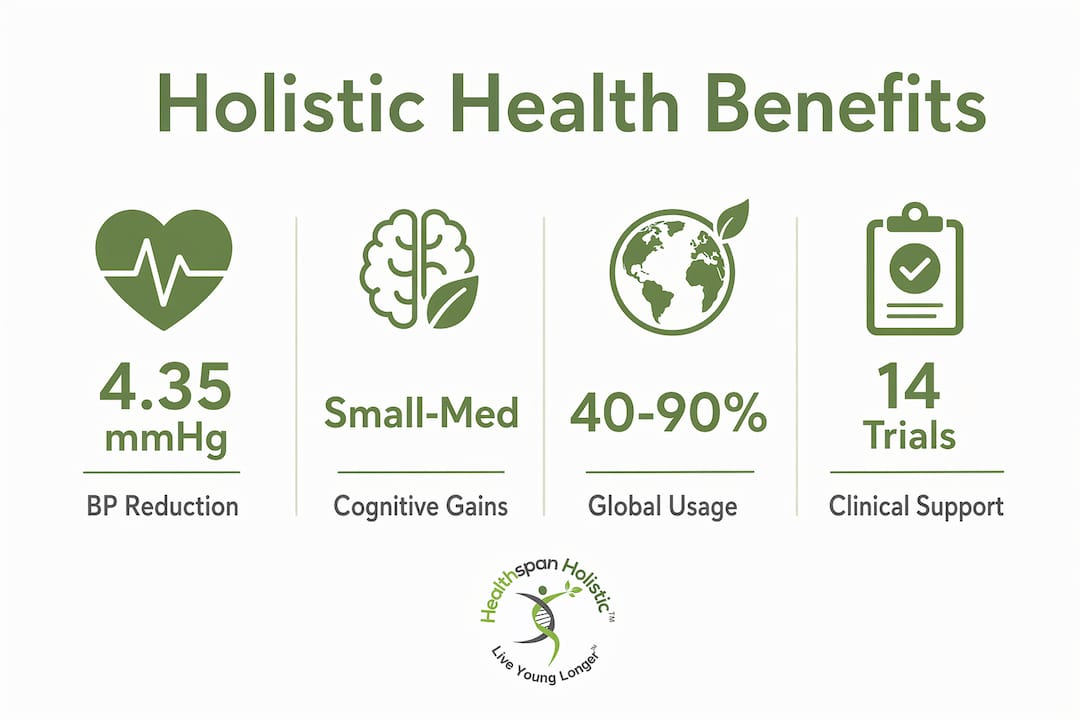
A holistic approach to health is defined as a method of care that treats the whole person — physical, mental, emotional, and spiritual dimensions together — rather than isolating and treating individual symptoms. For adults between 45 and 75, this distinction matters more than most realize. Your body at 55 is not the same as it was at 35, and the chronic conditions, energy dips, and cognitive shifts that emerge in midlife rarely have a single cause. Integrative medicine, the clinical term for this whole-person model, is now backed by 14 clinical trials reviewed between 2021 and 2026, all showing consistent improvements in mental health, pain management, and quality of life. The World Health Organization (WHO) has formally endorsed embedding traditional and self-care medicine into primary health care systems worldwide. This is not fringe thinking. It is where evidence-based medicine is heading.
Why choose a holistic approach over symptom-only treatment?
Conventional Western medicine excels at acute care. A broken bone, a bacterial infection, a cardiac event — these call for precise, targeted intervention. But chronic conditions that accumulate after 45, such as fatigue, joint pain, elevated blood pressure, and cognitive decline, rarely respond fully to a single drug or procedure. A holistic or integrative approach addresses the biological, psychological, social, and behavioral dimensions of health simultaneously. That is the core difference.
Integrative healthcare focuses on shared decision-making and addresses multiple health dimensions, which explains why patients consistently report higher satisfaction and better outcomes compared to conventional-only care. You are not just a diagnosis. You are a person with sleep patterns, stress levels, nutritional gaps, and personal goals that all influence how you feel and how long you stay well.
Here is a direct comparison of the two models:
| Characteristic | Holistic / Integrative care | Conventional Western medicine |
|---|---|---|
| Primary focus | Whole-person wellness and prevention | Disease diagnosis and symptom treatment |
| Patient role | Active partner in care decisions | Recipient of prescribed treatment |
| Treatment scope | Mind, body, nutrition, lifestyle, spirit | Pharmacological and surgical interventions |
| Goal | Optimize healthspan and quality of life | Resolve acute conditions and manage disease |
| Measurement | Functional outcomes, energy, mood, vitality | Lab values, imaging, symptom reduction |
The two models are not enemies. The most effective care for adults over 45 combines both. You want your cardiologist managing your blood pressure medication AND a mind-body practice reducing the stress that drives it up in the first place.
Pro Tip: When you visit your primary care physician, bring a written list of all complementary practices you use, including supplements, yoga, and dietary changes. Shared decision-making works only when your doctor has the full picture.
What does the evidence say about holistic health benefits?
The benefits of holistic methods are no longer anecdotal. Rigorous research now quantifies what practitioners have observed for decades.

Yoga, one of the most studied mind-body practices, reduces systolic blood pressure by 4.35 mmHg and diastolic by 2.06 mmHg according to a meta-analysis of 23 randomized controlled trials involving 2,313 participants. Those numbers may look modest, but in cardiovascular medicine, a sustained 4 mmHg reduction in systolic pressure meaningfully lowers stroke and heart attack risk over time. These are additive benefits that stack on top of your existing medication or lifestyle plan, not replacements for them.
Cognitive health is equally well supported. Mind-body exercises like Tai Chi and yoga produce small-to-moderate improvements in executive function in adults aged 45 to 75, based on a meta-analysis of multiple studies. Executive function covers planning, focus, and mental flexibility — exactly the cognitive skills that tend to slip in midlife. The mechanism is not mysterious. Yogic and mind-body practices act through autonomic nervous system regulation and anti-inflammatory pathways, producing measurable physiological change.
The WHO’s position reinforces all of this. Traditional medicine use is now a global reality, with 40 to 90 percent of populations in some countries relying on it as part of their regular health care. That scale of adoption reflects genuine patient experience, not marketing.
| Holistic practice | Measured benefit | Evidence source |
|---|---|---|
| Yoga | 4.35 mmHg systolic BP reduction | Meta-analysis, 23 RCTs, 2,313 participants |
| Tai Chi / Yoga | Moderate executive function improvement | Meta-analysis, adults 45-75 |
| Integrative care programs | Improved mental health and pain outcomes | 14 clinical trials, 2021-2026 |
| Traditional medicine integration | Higher patient satisfaction and continuity | WHO Global Traditional Medicine Strategy |
How do practical holistic methods work for adults aged 45 to 75?
Knowing the evidence is one thing. Knowing what to actually do on a Tuesday morning is another. Here are the practices with the strongest research support for your age group, along with the dosing that produces results.
-
Mind-body exercise (yoga or Tai Chi). Aim for 3 to 4 sessions weekly over at least 12 weeks, with each session under 60 minutes. This is the dosing protocol that produced cognitive improvements in the meta-analysis. A 45-minute chair yoga class three times a week qualifies. You do not need a studio membership or athletic background.
-
Nutrition built around nutrient density. After 45, absorption of key micronutrients including magnesium, B12, and vitamin D declines. Whole-food eating patterns that prioritize leafy greens, legumes, fatty fish, and fermented foods address multiple systems at once. Think of food as information your cells receive, not just fuel. Your gut health after 45 directly influences inflammation, mood, and immune function, making dietary choices a cornerstone of any integrative plan.
-
Targeted supplementation based on testing. Generic multivitamins address generic problems. Personalized supplementation starts with knowing your actual levels. Magnesium deficiency, for example, affects cardiovascular function, sleep quality, and muscle recovery, yet standard blood tests often miss it because serum magnesium does not reflect cellular stores.
-
Stress regulation as a daily practice. Chronic stress is not a mood problem. It is a physiological one that raises cortisol, drives inflammation, and accelerates cellular aging. Breathwork, meditation, and time in nature all reduce autonomic nervous system overactivation. Even 10 minutes of structured breathing daily produces measurable changes in heart rate variability over weeks.
-
Consistent monitoring of health markers. Holistic benefits are strongest when lifestyle and mind-body practices are part of ongoing, measurable care integrated with medical monitoring. Track blood pressure, energy levels, sleep quality, and mood. What gets measured gets improved.
Pro Tip: Before starting any new supplement protocol, run a cellular micronutrient test. It tells you exactly which nutrients your cells are actually absorbing, not just what you are consuming. This single step prevents wasted money and targets your efforts precisely.
Why patient empowerment matters in integrative health
One of the most underappreciated advantages of holistic treatment is what it does for your relationship with your own health. Conventional care can feel passive. You receive a diagnosis, you receive a prescription, and you wait. Integrative care asks you to participate actively in your recovery and maintenance.
The WHO strategy for embedding traditional medicine into primary care is built around this principle. Traditional medicine contributes most effectively to self-care when it is part of an ongoing, coordinated system rather than an isolated side practice. That means your yoga practice, your nutritional supplements, and your stress management tools should be known to and supported by your medical team.
Here is how to make integration work in practice:
-
Communicate openly with your doctor. Tell them about every supplement, practice, and dietary change. Drug-nutrient interactions are real, and your physician needs the full picture to advise you safely.
-
Choose practitioners who collaborate. Look for integrative medicine physicians, naturopathic doctors, or functional medicine practitioners who actively communicate with your primary care provider rather than operating in a separate silo.
-
Set measurable goals. “Feel better” is not a goal. “Reduce resting blood pressure by 5 mmHg in 12 weeks through yoga and magnesium optimization” is a goal. Specificity creates accountability.
-
Use your holistic health checklist as a starting framework. A structured checklist helps you identify which dimensions of health you are currently addressing and which you are neglecting.
-
Track progress with objective data. Wearables, home blood pressure monitors, and periodic lab panels give you real feedback on whether your integrative plan is working.
Patient empowerment is not about rejecting medical expertise. It is about bringing your own knowledge, preferences, and lived experience into the conversation so that care decisions reflect your actual life.
Key takeaways
A holistic approach to health works best when evidence-based mind-body practices, targeted nutrition, and personalized testing are integrated with conventional medical care and sustained consistently over time.
| Point | Details |
|---|---|
| Whole-person care outperforms symptom treatment | Integrative care addresses biological, psychological, and lifestyle factors that single-symptom treatment misses. |
| Mind-body practices produce measurable results | Yoga and Tai Chi reduce blood pressure and improve cognitive function with 3 to 4 sessions weekly over 12 weeks. |
| Personalized testing guides better decisions | Cellular micronutrient and magnesium RBC tests reveal deficiencies that standard panels routinely miss. |
| Integration with conventional care is non-negotiable | WHO evidence confirms holistic benefits are strongest when embedded in coordinated primary care, not practiced in isolation. |
| Patient empowerment drives long-term success | Shared decision-making and measurable goals turn passive patients into active participants in their own healthspan. |
What I have learned from working with adults over 45
The most common mistake I see is treating holistic health as a last resort. Someone spends a decade managing fatigue with caffeine and stress with wine, and then arrives at integrative care after conventional medicine has run out of answers. By that point, the work is harder and the timeline is longer.
The adults who get the most out of a whole-person approach are the ones who start before the crisis. They use testing to find problems early, they build mind-body practices into their routine before cognitive decline becomes noticeable, and they treat nutrition as medicine before a diagnosis forces them to. The holistic health principles that produce the best outcomes are not exotic. They are consistent, measurable, and integrated with good medical care.
I also want to address a misconception directly: holistic does not mean unscientific. The research on yoga, Tai Chi, integrative care programs, and mind-body mechanisms is published in peer-reviewed journals and reviewed by the WHO. What makes it different from conventional medicine is not the quality of evidence. It is the scope of what gets treated. You are worth treating in full, not in parts.
Start with one practice. Measure it. Add another. The compounding effect of consistent, whole-person care over five to ten years is genuinely remarkable.
— Chris
Start your personalized holistic health plan with Healthspan Holistic
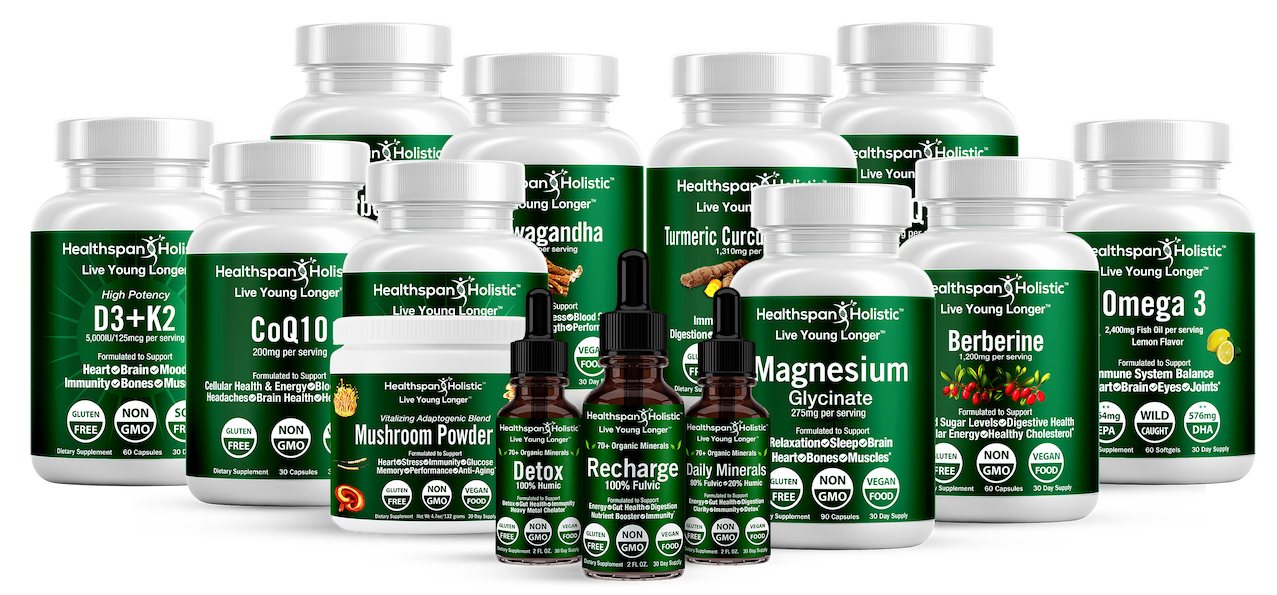
At Healthspan Holistic, we help adults over 40 move from guessing to knowing. Our Magnesium RBC test detects cellular magnesium deficiency that standard panels miss, and our cellular micronutrient test maps exactly which nutrients your cells are absorbing. Both tests give your integrative health plan a precise, personalized foundation. Pair your results with our professional-grade supplements, designed specifically for cardiovascular health, mitochondrial function, hormone balance, and vitality in adults over 45. 1st Time Customers can take advantage of our BUY 1 GET 1 50% OFF special offer on all supplements. Your healthspan starts with what you know about your own body.
FAQ
What does a holistic approach to health actually mean?
A holistic approach, also called integrative medicine, treats the whole person including physical, mental, emotional, and spiritual dimensions rather than targeting a single symptom or disease. It combines evidence-based conventional care with complementary practices like nutrition, mind-body exercise, and stress management.
Is holistic healing actually effective for adults over 45?
Yes. A review of 14 clinical trials from 2021 to 2026 found consistent improvements in mental health, pain management, and quality of life with integrative care. Mind-body practices like yoga also produce clinically meaningful reductions in blood pressure and improvements in cognitive function.
How often should I practice yoga or Tai Chi to see results?
Research supports 3 to 4 sessions per week over approximately 12 weeks, with sessions under 60 minutes, to produce measurable improvements in executive function and cardiovascular markers.
Can I combine holistic practices with my existing medications?
Yes, and you should tell your doctor about all practices and supplements you use. Holistic cardiovascular benefits like blood pressure reduction from yoga are additive to medication effects, not replacements, and your physician needs the full picture to manage your care safely.
Where do I start if I am new to holistic health?
Begin with a baseline assessment of your nutrient status using a cellular micronutrient or magnesium RBC test, then add one consistent mind-body practice. Use a structured holistic health checklist to identify which dimensions of your health need the most attention.
Leave a comment: