

TL;DR:
- A functional nutrition checklist is a personalized, systems-based tool that identifies root causes of health imbalances, guiding targeted interventions for lasting wellness. It emphasizes assessing diet, gut health, nutrient status, lifestyle, and uses phased approaches like elimination diets and clinical sequencing to optimize outcomes, especially for adults aged 45 to 75. Utilizing validated tools, accurate dietary measurement, and professional testing enhances precision and long-term success in personalized health strategies.
A functional nutrition checklist is a personalized, systems-based assessment tool designed to identify root causes of health imbalances and guide targeted nutrition interventions for lasting wellness. Unlike generic diet plans, this approach, formalized by organizations like the Institute for Functional Medicine (IFM) and the Kresser Institute, focuses on the whole person rather than isolated symptoms. For adults between 45 and 75, this matters enormously. Poor nutrition links directly to obesity, type 2 diabetes, and cardiovascular disease, yet a personalized functional approach can address these risks at their source. The checklist framework you will find here gives you a practical, evidence-based path to restore energy, reduce inflammation, and reclaim your vitality.
1. What key components make up a functional nutrition checklist
A well-built functional nutrition checklist starts with personalized systems-based assessment of modifiable lifestyle factors rather than a one-size-fits-all meal plan. IFM’s Functional Medicine Timeline and Matrix are two validated tools that map your health history, diet patterns, and physiological systems to reveal where imbalances originate. This is the foundation of any solid nutrition assessment guide.
The core components your checklist should cover include:
-
Dietary intake assessment: Use food diaries, 24-hour recalls, or food frequency questionnaires to capture what you actually eat, not just what you intend to eat.
-
Gut health and digestion: Assess bloating, bowel regularity, and signs of malabsorption, since gut function affects every other system.
-
Nutrient status screening: Check for common deficiencies in magnesium, vitamin D, omega-3 fatty acids, B vitamins, zinc, and iron.
-
Inflammation markers: Include dietary patterns that either drive or reduce chronic low-grade inflammation.
-
Phytonutrient variety: IFM’s Phytonutrient Spectrum Food Plan is a practical tool to assess color diversity in your diet, which reflects antioxidant and anti-inflammatory coverage.
-
Lifestyle factors: Sleep quality, stress load, physical activity, and circadian rhythms all shape how your body uses nutrients.
-
Sequenced intervention phases: Plan changes in stages to track what works and avoid overwhelming your system.
Pro Tip: Start by focusing on one or two systems, such as gut health and foundational nutrient adequacy, before expanding to other areas. This keeps your checklist manageable and your progress measurable.
Reviewing your holistic health checklist alongside these components gives you a strong starting framework tailored to your age group.

2. How phased elimination diets fit into your checklist
Elimination diets are time-limited therapeutic tools, not permanent lifestyles. When used correctly within a functional diet plan, they reveal which foods trigger symptoms and which ones your body tolerates well. The most evidence-backed example is the low-FODMAP protocol, a three-phase process used widely for irritable bowel syndrome (IBS) and digestive distress.
The three phases work as follows:
-
Elimination phase (2 to 6 weeks): Remove high-FODMAP foods, including wheat, onions, garlic, lactose, and certain fruits. This phase quiets the gut and establishes a symptom baseline. Up to 75% of IBS patients report meaningful symptom improvement within six weeks.
-
Reintroduction phase: Systematically reintroduce one food group at a time, every three days, while tracking symptoms. This is the most critical phase. Skipping reintroduction risks unnecessary lifelong food restriction and nutritional deficiency.
-
Personalization phase: Build your long-term eating pattern based on your identified tolerance thresholds. This phase restores dietary variety and supports gut microbiome balance.
The reintroduction phase is where most people go wrong. They feel better during elimination and assume all removed foods are permanently harmful. Systematic reintroduction prevents this mistake by identifying exactly which foods cause problems and at what quantities.
Pro Tip: Keep a detailed symptom and food log during all three phases. Record timing, portion size, food preparation method, and any physical or emotional reactions within two hours of eating. This level of detail transforms a simple food diary into a powerful diagnostic tool.
3. Why clinical sequencing is critical in your checklist
The order in which you implement nutrition and lifestyle changes matters as much as the changes themselves. The Kresser Institute describes this as clinical sequencing, and it is one of the most underappreciated principles in functional nutrition.
Starting with foundational nutrients is non-negotiable. Before addressing advanced interventions like hormone balancing or specialized elimination diets, your body needs adequate levels of:
-
Magnesium: Involved in over 300 enzymatic reactions, including energy production and blood sugar regulation.
-
Vitamin D: Supports immune function, bone density, and mood regulation, all of which decline with age.
-
Omega-3 fatty acids: Reduce systemic inflammation and support cardiovascular and cognitive health.
-
B vitamins: Drive methylation, energy metabolism, and nervous system function.
-
Zinc and iron: Support immune defense, oxygen transport, and cellular repair.
Gut function and motility come next. A compromised gut cannot absorb even the best nutrients effectively, so addressing digestion before layering in supplements or complex dietary changes is the logical sequence.
“Protocol order matters more than protocol content. Getting the sequence right is what separates a plan that works from one that leaves patients feeling worse.” — Kresser Institute
When you attempt too many interventions simultaneously, adverse reactions become difficult to trace and you lose the ability to identify what is helping. Sequencing your checklist by phase gives you clarity, reduces frustration, and builds confidence as each stage delivers results.
4. How to measure dietary intake effectively
Accurate dietary measurement is harder than it sounds, and measurement error is a real challenge in nutrition assessment. The NIH Dietary Assessment Primer identifies several validated methods, each with distinct strengths depending on your goals and lifestyle.
| Method | Best for | Limitations |
|---|---|---|
| 24-hour dietary recall | Quick snapshot of recent intake | Single day may not reflect usual habits |
| Food frequency questionnaire (FFQ) | Long-term dietary pattern analysis | Less precise on portion sizes |
| Multi-day food record | Detailed pattern recognition over time | Requires consistent effort and honesty |
| Symptom and mood tracker | Linking foods to physical and emotional responses | Subjective; needs pairing with intake data |
For adults 45 to 75, the multi-day food record combined with a symptom tracker delivers the most useful data. Structured food journaling captures timing, portion size, preparation method, and symptom correlation, which goes far beyond a simple meal list.
If you are new to food journaling, start with three days: two weekdays and one weekend day. Record what you eat within 15 minutes of each meal to improve accuracy. Apps like Cronometer and Nutritionix make this easier by providing nutrient breakdowns automatically. Printable food diary templates from the NIH are also freely available and work well for those who prefer pen and paper.
5. Which functional nutrition tools and resources support your checklist
The right tools turn a checklist from a static list into a living, responsive health system. Here are the most practical resources to integrate into your functional diet plan:
-
IFM Core Food Plan: A nutrient-dense, anti-inflammatory eating framework that serves as a dietary baseline for most adults. It emphasizes vegetables, quality proteins, healthy fats, and phytonutrient variety.
-
IFM Phytonutrient Spectrum: A color-coded guide to eating across the full range of plant compounds. Eating across the color spectrum daily is one of the simplest holistic nutrition tips you can apply immediately.
-
Functional Medicine Timeline and Matrix: Mapping tools that connect your health history to current symptoms and help prioritize which systems to address first.
-
Lab markers for nutrient status: Validated nutrition assessment tools combine dietary intake data with physical findings and lab results for a complete clinical picture. Key tests include RBC magnesium, 25-OH vitamin D, omega-3 index, and a cellular micronutrient panel.
-
Wearable trackers: Devices like Oura Ring and WHOOP track sleep, heart rate variability, and activity, all of which influence how your body responds to dietary changes.
-
Supplement tracking log: Record what you take, when, and at what dose alongside your food diary to identify interactions and benefits over time.
Understanding how functional lab tests integrate with your nutrition checklist helps you move from guesswork to precision. Testing is the difference between assuming you are deficient and knowing it.
| Tool | Primary use |
|---|---|
| IFM Core Food Plan | Anti-inflammatory dietary baseline |
| RBC Magnesium Test | Detect cellular magnesium deficiency |
| Cellular Micronutrient Panel | Broad nutrient status assessment |
| Cronometer app | Daily nutrient tracking and gap analysis |
| Functional Medicine Matrix | Systems-based root cause mapping |
Key takeaways
A functional nutrition checklist works because it sequences personalized, root-cause interventions across gut health, foundational nutrients, and dietary assessment to produce measurable, sustainable results.
| Point | Details |
|---|---|
| Start with root cause assessment | Use IFM’s Timeline and Matrix to map health history before changing your diet. |
| Sequence interventions by phase | Address foundational nutrients and gut health before advanced protocols to reduce adverse reactions. |
| Use phased elimination diets correctly | Always complete the reintroduction phase to avoid unnecessary lifelong food restrictions. |
| Measure intake with structure | Capture timing, portion, preparation, and symptoms together for accurate pattern recognition. |
| Test before you supplement | Lab markers like RBC magnesium and vitamin D guide personalized supplementation decisions. |
What I have learned from applying this framework
I have worked with enough adults in the 45 to 75 range to say this with confidence: the biggest mistake people make is trying to overhaul everything at once. They cut gluten, add five supplements, start intermittent fasting, and eliminate dairy in the same week. Then they feel worse and blame the process.
The functional nutrition framework is powerful precisely because it slows you down. When you start with foundational nutrients and gut function, you build a platform that makes every subsequent change more effective. I have seen people restore energy levels they had not felt in a decade simply by correcting magnesium and vitamin D deficiencies before touching anything else.
The other thing I want to be direct about is this: generic diet advice, even well-intentioned advice, does not account for your specific history, your stress load, your gut microbiome, or your hormonal shifts. A personalized nutrition approach for your age group is not a luxury. It is the only approach that actually works long-term.
Patience is not passive. It is a clinical strategy. Give each phase four to six weeks before evaluating. Track everything. And if you have access to a functional medicine practitioner or health coach, use them. The checklist gives you the map. Professional support helps you read it accurately.
— Chris
Take your functional nutrition plan further with Healthspan Holistic
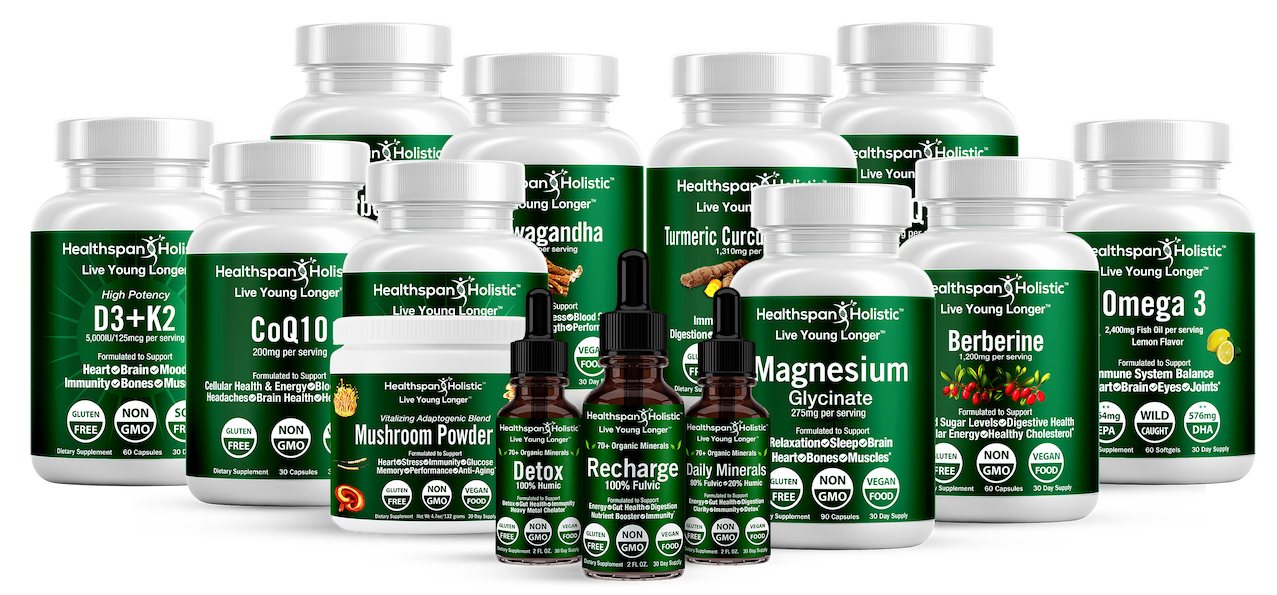
Knowing what to eat is only half the picture. Knowing what your body actually needs right now is where real progress begins. At Healthspan Holistic, we offer targeted lab testing to take the guesswork out of your nutrition plan. Start with the Magnesium RBC Test to detect cellular deficiency, or go deeper with the Cellular Micronutrient Test for a broad view of your nutrient status. For a complete foundational panel, the Vitamin D, Omega-3, and Magnesium Test covers three of the most critical nutrients for adults over 45.
1st Time Customers can take advantage of our BUY 1 GET 1 50% OFF special offer on all supplements.
FAQ
What is a functional nutrition checklist?
A functional nutrition checklist is a personalized, systems-based tool that assesses root causes of health imbalances through dietary intake, nutrient status, gut health, and lifestyle factors. It is defined by IFM as part of tailored, therapeutic nutrition strategies rather than generic diet advice.
How is functional nutrition different from a regular diet plan?
A functional diet plan targets the underlying causes of symptoms using validated assessment tools like the Functional Medicine Timeline, while a standard diet plan focuses on general food rules without individual health context.
How long does an elimination diet phase last?
The elimination phase of a protocol like low-FODMAP typically lasts two to six weeks, followed by a structured reintroduction phase. Skipping reintroduction risks permanent unnecessary food restrictions and nutritional gaps.
Which nutrients should I test first?
Clinical sequencing prioritizes magnesium, vitamin D, omega-3 fatty acids, B vitamins, zinc, and iron as foundational nutrients. Testing these before starting a supplement program ensures your interventions are targeted and effective.
Can I build a functional nutrition checklist on my own?
Yes, using resources like the IFM Core Food Plan, the NIH Dietary Assessment Primer, and a structured food diary gives you a strong starting point. For deeper personalization, working with a functional health coach or using lab testing significantly improves your results.
Leave a comment: