

TL;DR:
- Holistic therapies address mind, body, and spirit through categories like mind-body practices, biologically based treatments, manual methods, energy therapies, and whole medical systems. Evidence supports their use alongside conventional care, especially for managing pain, sleep, mood, and energy in adults aged 45 to 75, when integrated safely with open communication and credentialed practitioners. Structured programs and proper dosing are crucial for achieving meaningful health benefits from therapies such as mindfulness, acupuncture, massage, and herbal supplements.
Holistic therapies are defined as integrative health practices that address mind, body, and spirit as a unified system rather than treating isolated symptoms. The five core categories recognized by the U.S. CDC include mind-body practices, biologically based treatments, manual and body-based methods, energy therapies, and whole medical systems such as Ayurveda and Traditional Chinese Medicine. For adults between 45 and 75, these complementary health practices offer real, evidence-supported paths to managing chronic pain, low energy, sleep disruption, and mood changes without relying solely on pharmaceuticals. Examples like acupuncture, mindfulness, massage, and herbal supplementation are no longer fringe options. They are increasingly integrated into mainstream care.
1. What are the main types of holistic therapies?
The CDC classifies complementary medicine into five broad categories: mind-body therapies, biologically based practices, manipulative and body-based methods, energy therapies, and whole medical systems. Understanding these categories helps you choose the right path rather than guessing from a long list of unfamiliar names. Each category works through a different mechanism, targets different systems in the body, and carries its own evidence profile.
| Category | Examples | Primary Mechanism |
|---|---|---|
| Mind-body therapies | Mindfulness, yoga, tai chi, CBT | Nervous system regulation |
| Biologically based | Herbs, vitamins, supplements | Biochemical and nutritional support |
| Manual and body-based | Massage, chiropractic, acupuncture | Physical tissue and nerve stimulation |
| Energy therapies | Reiki, therapeutic touch | Biofield and energy flow modulation |
| Whole medical systems | Ayurveda, Traditional Chinese Medicine | Integrated diagnostic and treatment frameworks |
The distinction between complementary and alternative use matters significantly. Complementary means using a therapy alongside conventional treatment. Alternative means replacing conventional treatment entirely. Most evidence supports the complementary mode, and that is the approach Healthspan Holistic recommends for adults managing existing health conditions.
2. Mind-body therapies: mindfulness, yoga, and CBT
Mind-body therapies work by regulating the nervous system, reducing cortisol, and improving the brain’s response to stress and pain. A 2026 meta-analysis of 107 trials involving 23,585 adults found that cognitive behavioral therapy (CBT) and mindfulness-based interventions significantly improve depression and diabetes outcomes, with larger effects seen in group programs lasting eight weeks or more. That finding matters because it tells you dose and structure are not optional details. They determine whether the therapy actually works.

Yoga and tai chi are particularly well-suited for adults over 45 because they build balance, flexibility, and body awareness without high injury risk. Tai chi, in particular, has strong evidence for fall prevention and blood pressure reduction in older adults. Mindfulness-based stress reduction (MBSR), developed at the University of Massachusetts Medical School, is an eight-week structured program that has been studied in thousands of clinical trials.
Pro Tip: When choosing a mindfulness program, look for structured formats of at least eight weeks with a trained facilitator. Digital apps alone show only moderate benefit with low certainty, according to a 2025 systematic review of 18 randomized controlled trials.
3. Acupuncture: mechanism, evidence, and safe use
Acupuncture is defined as the insertion of thin needles at specific anatomical points to stimulate the nervous system, modulate pain signals, and regulate organ function. It is one of the most researched alternative healing methods available, with evidence supporting its use for chronic pain, headaches, osteoarthritis, and chemotherapy-related nausea. A Harvard Health update from January 2026 confirms that acupuncture works best when used alongside conventional treatments rather than as a replacement.
Choosing a licensed practitioner is non-negotiable. In the United States, the National Certification Commission for Acupuncture and Oriental Medicine (NCCAOM) certifies qualified practitioners. Your primary care physician should know you are receiving acupuncture, especially if you take blood thinners or have a bleeding disorder. Open communication between your acupuncturist and your medical team is what separates a safe, effective experience from a risky one.
4. Massage therapy: what the evidence actually shows
Massage therapy is one of the most evidence-rich natural therapy options for non-painful health conditions. A VA evidence-map review covering 2017 to 2024 found high-certainty evidence that massage therapy benefits functional constipation, with moderate-certainty evidence for improvements in sleep quality and depression. No serious adverse events were reported across the reviewed studies. That safety profile makes massage one of the lowest-risk therapies you can add to your wellness routine.
The type of massage matters. Swedish massage targets relaxation and circulation. Deep tissue massage addresses chronic muscle tension. Acupressure, a related technique, applies finger pressure to the same points used in acupuncture and shows similar benefits for sleep and mood. For adults managing arthritis, fibromyalgia, or post-surgical recovery, working with a licensed massage therapist who understands your medical history produces the best outcomes.
5. Herbal and nutritional therapies: benefits and risks
Biologically based therapies include herbs, vitamins, dietary supplements, and functional foods. Common examples include ashwagandha for stress and cortisol regulation, turmeric (curcumin) for inflammation, magnesium for sleep and muscle function, and omega-3 fatty acids for cardiovascular and cognitive health. These are not passive wellness additions. They are biochemically active compounds that interact with your physiology and, critically, with your medications.
The CDC warns that supplements may interfere with standard treatments, reducing their effectiveness or amplifying side effects. St. John’s Wort, for example, reduces the effectiveness of blood thinners, antidepressants, and certain cancer medications. For adults over 45 who are often managing multiple prescriptions, this is the category that requires the most careful disclosure and coordination. Always tell your prescribing physician exactly what you are taking, including doses and timing.
For a deeper look at which supplements have the strongest longevity evidence, the evidence-based supplements guide from Healthspan Holistic is a practical starting point.
6. Energy therapies: Reiki and therapeutic touch
Energy therapies such as Reiki and therapeutic touch operate on the premise that the body has a biofield that can be influenced to promote healing. Reiki, developed in Japan in the early 20th century, involves a practitioner placing hands lightly on or near the body to facilitate energy flow. Therapeutic touch, developed by nursing professor Dolores Krieger at New York University, is used in some hospital settings for pain and anxiety management.
The evidence base for energy therapies is thinner than for massage or acupuncture, but several studies show meaningful reductions in anxiety and perceived pain in palliative and oncology settings. For adults seeking a gentle, non-invasive complement to medical care, these therapies carry minimal risk and may offer real comfort. They work best as part of a broader wellness plan rather than as standalone treatments for serious conditions.
7. Whole medical systems: Ayurveda and Traditional Chinese Medicine
Whole medical systems are complete frameworks of health theory and practice that developed independently of Western medicine. Ayurveda, originating in India over 3,000 years ago, uses diet, herbal medicine, yoga, and detoxification practices tailored to individual constitutional types. Traditional Chinese Medicine (TCM) integrates acupuncture, herbal formulas, dietary therapy, and qi gong into a unified diagnostic system based on energy balance and organ relationships.
Both systems offer genuinely personalized approaches to chronic disease management, which is why they resonate with adults who feel conventional medicine treats symptoms rather than root causes. The WHO’s 2024 global report on integrative medicine quality assurance emphasizes that access to credentialed practitioners and standardized quality controls are the key factors separating safe, effective whole-system care from unregulated practice. If you explore Ayurveda or TCM, seek practitioners trained through accredited programs and keep your primary care physician informed.
8. Matching therapy types to your specific health goals
Different holistic wellness techniques produce different outcomes, and matching therapy to condition is more effective than choosing based on general popularity. Here is how the evidence lines up for common health goals in adults aged 45 to 75:
-
Chronic pain and arthritis: Acupuncture and massage therapy have the strongest evidence. A VA acupuncture evidence map supports acupuncture across multiple adult pain conditions.
-
Depression and anxiety: CBT and structured mindfulness programs of eight weeks or more produce the largest effect sizes. Group delivery outperforms solo digital programs.
-
Sleep quality: Massage therapy and acupressure show moderate-certainty benefit. Magnesium supplementation also supports sleep architecture in deficient adults.
-
Digestive health: Massage therapy shows high-certainty evidence for functional constipation. Probiotic supplementation and dietary fiber adjustments complement this well.
-
Energy and vitality: Nutritional therapies targeting magnesium, B vitamins, and mitochondrial support (CoQ10, NAD precursors) address root causes of fatigue in older adults.
-
Cardiovascular health: Tai chi, yoga, and omega-3 supplementation each have meaningful evidence for blood pressure and lipid management.
-
Cancer support: Mind-body therapies, acupuncture for nausea, and massage for anxiety are used in integrative oncology programs at major cancer centers including Memorial Sloan Kettering and MD Anderson.
Your holistic health checklist can help you map these options to your personal health profile before your next appointment.
9. How to safely integrate holistic therapies with conventional care
Safe integration starts with full disclosure. Tell every member of your healthcare team, including your primary care physician, cardiologist, and pharmacist, about every therapy and supplement you use. The CDC is explicit that disclosure to your prescribing team is the single most important safety step, particularly for older adults managing multiple conditions and medications.
Follow these steps to integrate safely:
-
List everything you use. Write down all supplements, herbs, and therapies with doses and frequency before any medical appointment.
-
Choose credentialed practitioners. For acupuncture, verify NCCAOM certification. For massage, look for state licensure. For Ayurveda, seek practitioners trained through the National Ayurvedic Medical Association (NAMA).
-
Start one therapy at a time. Adding multiple new therapies simultaneously makes it impossible to identify what is helping or causing side effects.
-
Monitor and report changes. Track energy, sleep, pain, and mood in a simple journal. Share this data with both your holistic and conventional providers.
-
Review supplements with your pharmacist. Pharmacists are trained in drug-nutrient interactions and are an underused resource for this exact purpose.
Pro Tip: The WHO’s quality assurance framework for traditional and complementary medicine recommends choosing practitioners affiliated with accredited institutions over independent, unverified providers. Credentialing is your first filter for safety.
Key takeaways
The most effective approach to holistic therapies combines condition-specific evidence, credentialed practitioners, and open communication with your conventional medical team.
| Point | Details |
|---|---|
| Five core categories exist | Mind-body, biologically based, manual, energy, and whole medical systems each work differently. |
| Dose and structure matter | CBT and mindfulness programs lasting eight or more weeks produce significantly better outcomes. |
| Massage has strong evidence | High-certainty evidence supports massage for constipation; moderate certainty for sleep and depression. |
| Disclosure protects you | Supplements can interfere with medications; always tell your full prescribing team what you take. |
| Match therapy to condition | Acupuncture for pain, mindfulness for depression, massage for sleep. Specificity beats guesswork. |
Why I think most people approach holistic therapies backwards
Most adults I speak with start by choosing a therapy they have heard about, then look for reasons it might help them. That is the wrong sequence. The right approach starts with your specific condition, then finds the therapy with the strongest evidence for that condition, then finds a credentialed practitioner to deliver it at the right dose.
What I have observed consistently is that people underestimate the importance of dose. A single yoga class or one acupuncture session will not move the needle on chronic pain or depression. The research is clear that structured programs with consistent contact hours produce the outcomes people are hoping for. Mindfulness works when practiced daily for eight weeks. Acupuncture works across a series of sessions, not a single visit.
The other thing I want to be direct about: not every therapy needs to replace something. The most powerful results I see come from people who use holistic therapies to fill the gaps that conventional medicine leaves open. Your cardiologist manages your statin. Your acupuncturist manages your sleep and stress. Your nutritionist manages your inflammation through food. These are not competing systems. They are complementary ones, and the adults who thrive are the ones who build a team rather than pick a side.
The holistic nutrition guide from Healthspan Holistic is one resource I point people to when they are ready to start building that integrated picture.
— Chris
Start your holistic wellness journey with Healthspan Holistic
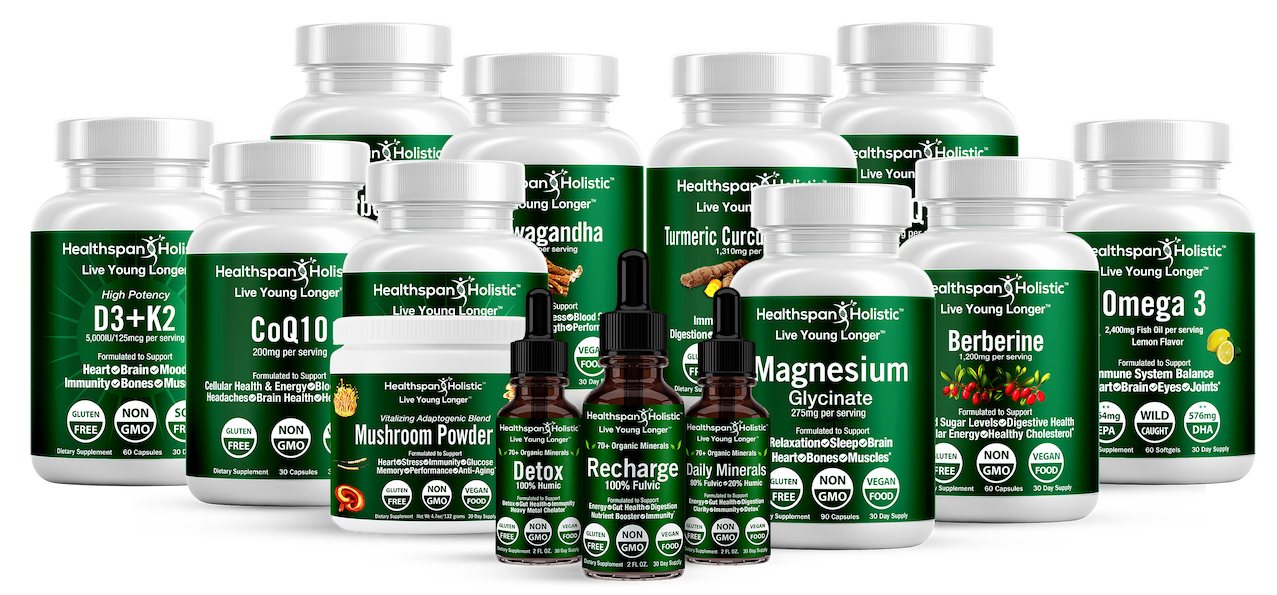
Before you invest in supplements or therapies, knowing your baseline is the smartest first step. At Healthspan Holistic, we offer targeted lab tests that reveal exactly where your body needs support. The Magnesium RBC Test detects cellular magnesium deficiency, one of the most common and overlooked drivers of fatigue, poor sleep, and muscle tension in adults over 45. The Cellular Micronutrient Test gives you a full picture of nutrient gaps so your supplement and therapy choices are grounded in data, not guesswork. Explore our full supplement collection at Healthspan Holistic. 1st Time Customers can take advantage of our BUY 1 GET 1 50% OFF special offer on all supplements.
FAQ
What are holistic therapies?
Holistic therapies are integrative health practices that address the whole person, including mind, body, and spirit, rather than treating a single symptom or disease. The five main categories include mind-body practices, biologically based treatments, manual methods, energy therapies, and whole medical systems like Ayurveda and Traditional Chinese Medicine.
Are holistic therapies safe for adults over 60?
Most holistic therapies carry low risk when delivered by credentialed practitioners and disclosed to your medical team. The CDC specifically warns that supplements and herbal remedies can interfere with prescription medications, making full disclosure to your prescribing physician the most critical safety step for older adults.
How long does it take for holistic therapies to work?
Effectiveness depends on the therapy, condition, and dose. Research shows that mindfulness and CBT programs lasting eight weeks or more produce significantly larger improvements in depression and anxiety than shorter formats. Acupuncture and massage typically require a series of sessions rather than a single treatment to produce lasting results.
Can I use holistic therapies alongside my current medications?
Yes, in most cases, but coordination is required. Certain herbs and supplements, including St. John’s Wort and high-dose vitamin E, interact with common medications. Always review your full supplement list with your pharmacist and inform your prescribing physician before starting any new therapy.
Which holistic therapy is best for sleep problems?
Massage therapy and acupressure have moderate-certainty evidence for improving sleep quality, according to a VA systematic review covering 2017 to 2024. Magnesium supplementation and structured mindfulness programs also support better sleep, particularly in adults with stress-related insomnia.
Leave a comment: