

Elevated lipoprotein(a), or Lp(a), is an independent, largely inherited risk factor for cardiovascular disease, and a level of about 50 mg/dL (roughly 125 nmol/L) is commonly treated as high. It raises the likelihood of heart attack, stroke and aortic valve narrowing. Your next step is to review your overall cardiovascular risk with a clinician.
TL;DR:
- Request nmol/L when available; assays that measure mass vary with apolipoprotein(a) size, so compare results only when labs use the same method.
- Because Lp(a) is largely inherited and usually stays stable, one test is often enough; significantly elevated results call for screening parents, siblings, and children.
- Statins may slightly raise Lp(a), yet clinicians still prescribe them to lower LDL cholesterol; do not stop a statin without medical advice.
- Pair the test with LDL cholesterol, apoB, and hsCRP measurements, and consider a coronary calcium score if your clinician says it would clarify risk.
- PCSK9 inhibitors can lower Lp(a) by about 20% to 30% when more LDL reduction is needed, while apheresis is reserved for selected patients.
What lipoprotein(a) is and why your genes decide the number

Lp(a) is an LDL-like particle with an extra protein, apolipoprotein(a), attached. That attachment helps the particle deposit cholesterol in artery walls and encourages inflammation, which is why it contributes to plaque and valve disease.
Here is what to know about the biology:
- Your Lp(a) level is mostly set by genetics, so it stays fairly steady through adulthood.
- Diet and exercise do not significantly lower Lp(a), which is why the clinical focus lands on your other risk factors.
- It is not part of a standard lipid panel, so it must be ordered separately.
- High levels are common: roughly 20–30% of people worldwide have elevated levels.
- Because the trait runs in families, one person’s result often says something about their relatives.
That last point matters for the people you love as much as for you.
How high is “high”? Thresholds and risk categories
Clinicians usually sort results into three bands. Many experts prefer nmol/L because it reflects the number of particles rather than their weight.
- Low: under 30 mg/dL (under 75 nmol/L).
- Intermediate: 30 to 50 mg/dL (75 to 125 nmol/L).
- High: 50 mg/dL or more (125 nmol/L or more). See the guideline thresholds.
Risk climbs along a continuum rather than flipping at one line, so a result just below a cutoff is not “safe” and a result just above it is not a verdict. The cutoffs exist to guide how intensively your team manages everything else, such as LDL cholesterol and blood pressure. They do not predict an event with certainty. A high number is a signal to act early, and early action is where you have the most power.
How Lp(a) is measured and where tests can mislead
Labs report Lp(a) in two ways, and the difference can confuse a first-time reader.
- Mass (mg/dL) weighs the whole particle. Apolipoprotein(a) comes in different sizes from person to person, and that size variability affects mass-based assays.
- Particle concentration (nmol/L) counts particles, and it is preferred for standardization.
- Ask for nmol/L reporting where it is available, and check the method notes printed on your report.
- Do not rely on a fixed conversion factor between the two units. Experts advise against it, so use the unit your lab actually measured.
If you compare results from different labs over time, confirm they used the same method. A shift that looks dramatic may simply be a change in assay.
Who should be tested, and why relatives matter
Recent society guidance supports measuring Lp(a) at least once in adults, and earlier for people with premature cardiovascular disease or familial hypercholesterolemia.
- One measurement is usually enough, since levels barely drift.
- Repeat testing makes sense when a result is intermediate or your clinical picture changes.
- When someone has significantly elevated Lp(a), cascade screening of first-degree relatives is recommended: parents, siblings and children.
- Sharing your result with family can lead to earlier, calmer conversations about prevention.
If your Lp(a) is high: how clinicians manage the risk
There is no simple fix for the number itself. The strategy is to lower your total lifetime risk, an approach the National Lipid Association describes as early, intensive control of blood pressure, blood glucose and LDL cholesterol.
- Statins: they do not lower Lp(a) much and may slightly raise it, yet clinicians still use them to lower LDL cholesterol. Do not stop a statin because of an Lp(a) result.
- PCSK9 inhibitors: these have lowered Lp(a) by about 20–30% and are considered when more LDL lowering is needed.
- Lipoprotein apheresis: this filtering procedure can acutely reduce Lp(a) and LDL cholesterol by roughly 50–85% and is reserved for carefully selected high-risk patients.
- Emerging therapies: ongoing trials are testing agents such as olpasiran and pelacarsen that target Lp(a) production directly.
Pro Tip: Bring your lab report, your family history and your blood pressure and glucose numbers to the appointment, and ask your clinician to build a plan around your whole risk picture rather than the Lp(a) number alone.
How to get tested and what to pair with it
Getting answers is simpler than it sounds. Follow this short checklist:
- Ask your clinician to order an Lp(a) test, and request nmol/L reporting if the lab offers it.
- Pair it with a full lipid panel including LDL cholesterol and apoB, plus hs-CRP. Our guide to when an advanced lipid panel changes care explains why.
- Ask whether a coronary calcium score would sharpen your picture, as we explain in when a calcium score changes your plan.
- Seek a lipid clinic or cardiologist if you have premature heart disease, a very high result or familial hypercholesterolemia.
Some people also look at lipid-support formulas, such as an advanced lipid control supplement from a partner retailer. Specialists note that natural measures are not proven to change a genetically set Lp(a) value, so talk with your clinician about where support fits.
Our perspective on elevated Lp(a)
We think the most useful response to a high Lp(a) is a clear, organized picture. Our extended blood panels, wearable and genetic data integration and individualized coaching help surface Lp(a) alongside the other contributors, so you and your clinician can decide what to tackle first. We see our role as complementing medical care, never replacing it.
— Chris
Healthspan Holistic tests and supplements for your Lp(a) questions
Here is how our offerings map to your needs:
- Screening: our Basic Heart Health Test is one option to explore.
- Deeper diagnostics: the Comprehensive Hormone Panel and the Peptide Baseline Lab Panel widen the view.
- Structured support: the Journey to Longevity guides you through an optimization program.
- Supplements: CardioBlend, Longevity Elite and Telomere Pro offer adjunctive nutritional support.
1st Time Customers can take advantage of our BUY 1 GET 1 50% OFF special offer on all supplements.
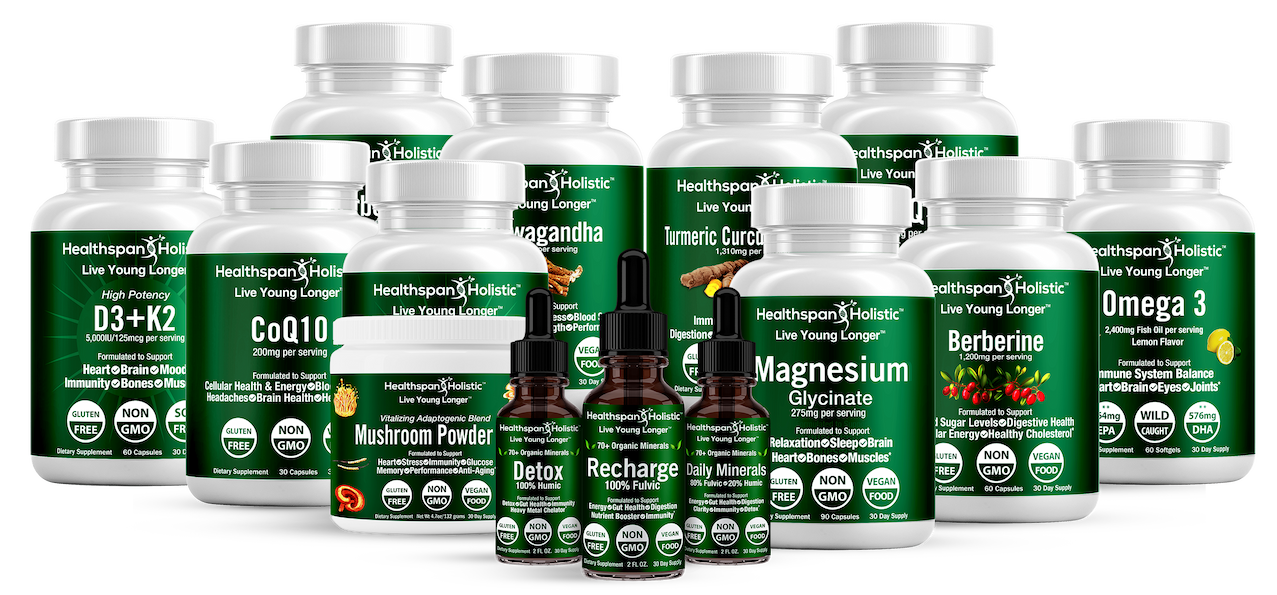
Browse everything on our blood work and labs page and choose your starting point today.
This article is general information, not a substitute for advice from a qualified doctor. Consult a qualified healthcare professional about your own circumstances before acting on anything here.
FAQ
Should I take a statin if I have high lipoprotein A?
Often yes, but for a different reason. Statins do not lower Lp(a) much and may slightly raise it, yet clinicians still use them to lower LDL cholesterol and overall risk. Decide with your clinician.
Should I see a cardiologist if I have high lipoprotein A?
It is a sensible step, especially with premature heart disease, a very high level or familial hypercholesterolemia. Consulting a cardiologist or lipid specialist helps design a personalized prevention plan.
What should I do if my lipoprotein is high?
Review your full risk profile with a clinician and tighten control of LDL cholesterol, blood pressure and blood glucose. Share the result with first-degree relatives so they can consider testing.
What is the life expectancy of someone with high lipoprotein A?
No single figure applies. High Lp(a) raises the chance of heart attack, stroke and valve disease, but your outcome depends heavily on how well your other risk factors are managed over time.
Sources
- About Lipoprotein (a) | Heart Disease, Family Health History, and Familial Hypercholesterolemia | CDC
- Pmc
- Lipoprotein(a): What to know about elevated levels | NHLBI, NIH
- Jtd
Recommended
- Advanced Lipid Panel: When It Actually Changes Care
- Homocysteine Test Results: How Clinicians Turn One Number into a Plan
- 3 mg/L Can Change Treatment: Clinician Steps for the hs-CRP Test
- When a Coronary Calcium Score Changes Your Statin and Lab Plan
This article was produced with AI assistance and reviewed for accuracy. It is provided for general information only and is not professional advice.
Dejar un comentario: