

Yes, quercetin and zinc make a scientifically plausible pair for immune and antioxidant support: quercetin acts as a zinc ionophore, meaning it helps shuttle zinc into your cells where it can actually do its job. Preclinical research backs the mechanism, though human trial data remain limited. If you want to try it, a maintenance range of roughly 15 to 30 mg of zinc and 500 to 1,000 mg of quercetin daily is common, but stay below the 40 mg zinc tolerable upper intake level unless a clinician is guiding you through a short-term protocol.
TL;DR:
- The effectiveness of quercetin and zinc relies heavily on bioavailability, with preferred forms being zinc citrate, picolinate, glycinate, and quercetin phytosome for better absorption.
- Human trial evidence remains limited, with most supportive data coming from preclinical studies and animal models, making clinical benefits still uncertain.
- Dosing should be personalized, with zinc maintained between 15 and 30 mg daily for prevention, and short-term acute protocols up to 50-75 mg per day under medical supervision.
- Regular long-term supplementation above 40 mg zinc daily risks copper deficiency, and baseline blood tests for zinc and copper are recommended before high-dose use.
- Quercetin and zinc interactions with medications, especially blood thinners and drugs affecting liver enzymes, require careful consultation with healthcare providers.
How Quercetin and Zinc Work Together
A “zinc ionophore” is a compound that grabs onto zinc and carries it across the cell membrane, the way a ferry carries passengers who otherwise couldn’t cross the water on their own. Zinc is notoriously bad at getting into cells on its own. It sits in your bloodstream, technically present, but locked out of the cellular machinery that needs it. Quercetin changes that equation. Laboratory research shows quercetin measurably raises intracellular zinc concentrations, which matters because zinc inside the cell behaves very differently from zinc floating in serum.
Once zinc gets where it needs to go, it does two things worth knowing about. It inhibits enzymes that certain viruses rely on to replicate, and it activates antioxidant enzymes like superoxide dismutase that neutralize cellular damage. Neither effect happens efficiently if the zinc never makes it past the cell wall. This is why researchers have taken a specific interest in quercetin as a delivery mechanism rather than treating it as just another antioxidant on the shelf.
Quercetin brings its own résumé to the partnership, independent of what it does for zinc. As a flavonol found in onions, apples, and capers, it has documented antioxidant, anti-inflammatory, and immunomodulatory properties on its own. It scavenges free radicals, calms certain inflammatory signaling pathways, and shows up in pharmacology reviews as a compound with genuine, if still-developing, therapeutic interest.
Here’s what that combination adds up to functionally:
- Cellular access: quercetin escorts zinc into cells instead of leaving it stranded in the bloodstream.
- Antiviral support: intracellular zinc can interfere with replication enzymes certain viruses depend on.
- Antioxidant reinforcement: zinc activates enzymes that mop up oxidative stress, while quercetin scavenges free radicals directly.
- Anti-inflammatory overlap: both compounds independently dampen inflammatory signaling, which is part of why they’re often paired.
Timing and formulation matter here, and we’ll get into specifics later, because a zinc salt or quercetin form that absorbs poorly limits how much of this mechanism you actually get to use.
What Does the Research Actually Show?
The strongest evidence for this combination is mechanistic and preclinical, not clinical. That distinction matters, so let’s walk through what’s solid and what’s still speculative.
On the preclinical side, a notable 2021 mouse study tested a quercetin, zinc, and vitamin C complex against a cytokine storm triggered by LPS, a bacterial toxin used to simulate severe inflammatory overdrive. Mice pretreated with the complex showed IL-1 and IL-6 levels that weren’t significantly different from healthy controls, along with noticeably less lung and kidney tissue damage under the microscope. The same study reported an LD50 (the dose lethal to half the test subjects) of 655 mg/kg, giving researchers a safety margin reference point for the complex in animal models.
That gap is real here. Mouse cytokine models tell you the mechanism can work under controlled, extreme conditions. They don’t tell you what a daily 500 mg quercetin capsule does for a 45-year-old’s immune resilience during cold and flu season.
Human data exist, but they’re thinner than the mechanism deserves. A pharmacology review covering clinical trial data found multiple small studies and patent filings testing quercetin doses from 50 to 1,500 mg alongside zinc doses from 5 to 100 mg, with designs that varied widely by country and methodology. That variation is a problem for drawing firm conclusions. When trials differ in dose, duration, population, and outcome measures, you can’t pool them into a single confident verdict.
A few things explain why lab success doesn’t automatically translate to clinical results:
- In vitro studies use isolated cells in controlled conditions, not a full immune system navigating digestion, metabolism, and individual variability.
- Absorption and bioavailability differ enormously between people and between supplement formulations.
- Most human trials to date are small, short, and not replicated at scale.
- Publication bias favors positive findings, which can make the overall picture look rosier than it is.
The honest summary: quercetin with zinc is mechanistically sound and preclinically promising, but it hasn’t cleared the bar of large, replicated human trials that would let anyone call it definitively effective for a specific illness. Ongoing research and patent activity suggest the interest is real and growing, just not yet resolved.
What Are the Right Doses of Quercetin and Zinc?
Dosing here splits into two different use cases, and mixing them up is the most common mistake people make.
For general zinc intake, the Recommended Dietary Allowance sits around 8 to 11 mg per day depending on sex, but supplemental prevention protocols commonly run 15 to 30 mg per day, according to Harvard’s Nutrition Source. Quercetin maintenance doses typically land between 500 and 1,000 mg per day, often split into two doses for better tolerance.
Short-term, higher-dose zinc protocols exist too. Some use increased zinc amounts for a few days at the first sign of illness, under medical supervision, according to expert guidance. This is not a maintenance dose. It’s a short burst, and the distinction matters because of where the safety ceiling actually sits.
The NIH Office of Dietary Supplements sets the tolerable upper intake level for zinc in adults at 40 mg per day. Cross that threshold regularly over weeks or months, and you risk copper deficiency, because zinc and copper compete for the same absorption pathways in your gut. Chronic high-dose zinc without copper monitoring is one of the more common ways well-intentioned supplementation backfires.
Here’s how the dosing landscape breaks down:
- Zinc RDA: 8 to 11 mg/day for general health.
- Zinc maintenance/prevention range: 15 to 30 mg/day.
- Zinc UL (adults): 40 mg/day, the line you shouldn’t cross long-term.
- Zinc short-term acute protocol: 50 to 75 mg/day for 5 to 7 days, supervised only.
- Quercetin maintenance range: 500 to 1,000 mg/day, often split.
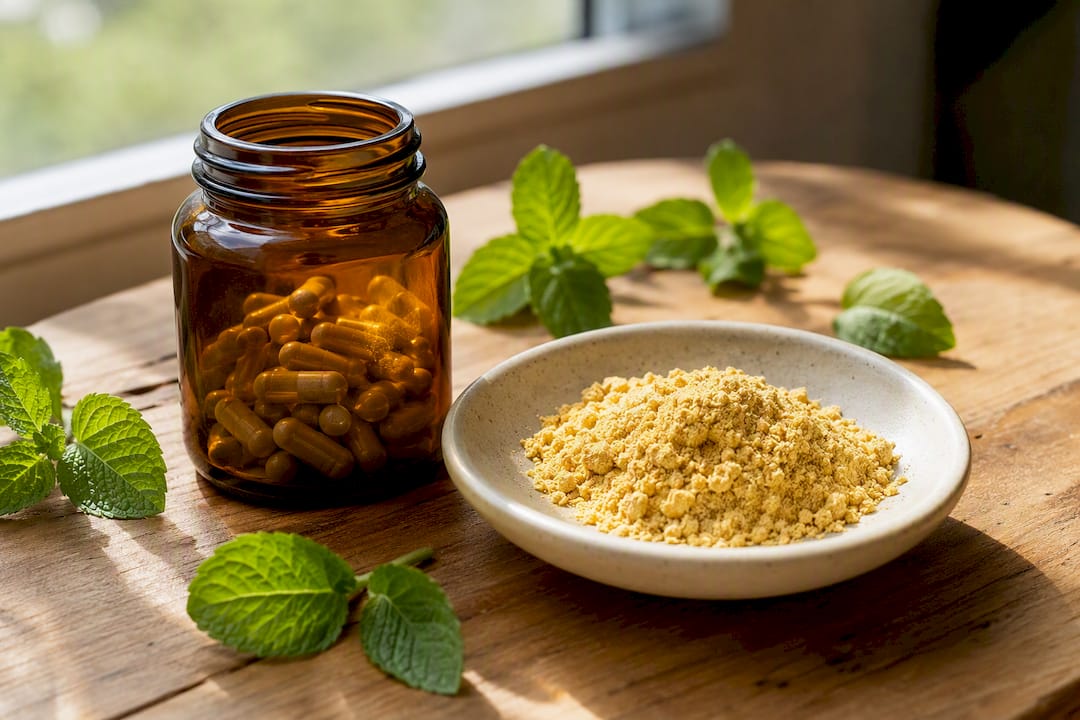
Form matters as much as dose. Bioavailability research shows zinc citrate, picolinate, and glycinate absorb better than zinc oxide, which is cheap but poorly utilized. Quercetin has its own absorption problem: it’s not very soluble on its own, which is why quercetin phytosome formulations, or quercetin paired with bromelain, tend to outperform plain quercetin capsules for actual uptake.
Pro Tip: If you’re sensitive to supplements on an empty stomach, take your quercetin and zinc with a meal that includes some fat. Both compounds are better tolerated and, in quercetin’s case, better absorbed when taken alongside food.
Who Should Be Careful With This Combination?
Quercetin and zinc aren’t automatically safe for everyone, and the interaction risks are specific enough to name.
- Check your medications first. Quercetin has documented interactions with certain antibiotics, antivirals, and steroidal drugs, largely because it affects liver enzymes involved in drug metabolism. Blood thinners are another category worth flagging to your prescriber before you start.
- Know your risk category. Pregnant or breastfeeding people, anyone with kidney disease, and people already juggling multiple prescriptions should talk to a healthcare provider before adding this combination, not after.
- Watch for copper depletion risk. If you have a family history of copper deficiency or you’re already taking zinc for another reason, sustained high intake compounds the risk rather than doubling up on benefit.
- Bring your full supplement and medication list to your next appointment. Overlap is often the actual danger, not any single ingredient in isolation.
- Consider baseline lab testing before committing to months of higher-dose supplementation, especially if you’re leaning toward the upper end of the safe range.
The theme across all of this is personalization over blanket use. What’s safe for a healthy 35-year-old on no medications looks different from what’s safe for a 68-year-old managing three prescriptions.
How Should You Actually Take Quercetin With Zinc?
Practical use comes down to a handful of decisions: timing, form, and duration.
Take both with a meal that includes some fat, ideally breakfast or lunch, since quercetin absorption improves with dietary fat present. If you’re using the higher end of the dosing range, split it into two servings rather than one large dose. This cuts down on the stomach upset some people report with zinc taken on an empty stomach.
For form, prioritize:
- Quercetin phytosome or quercetin plus bromelain over plain quercetin capsules, for meaningfully better absorption.
- Zinc citrate, picolinate, or glycinate over zinc oxide, which is the least bioavailable common form.
- Maintenance dosing year-round if your goal is general antioxidant and immune support.
- Short-term higher dosing (5 to 7 days maximum) only at the first sign of illness, and only with medical input if you’re on any medication.
Watch for GI discomfort, nausea, or a metallic taste, all common signs zinc dose is too high for your tolerance. If those symptoms show up, drop back to the maintenance range rather than pushing through.
How Healthspan Holistic Supports Personalized, Safer Use
Guessing at dosing is exactly what testing is meant to replace. Healthspan Holistic’s Cellular Micronutrient Test and Toxic & Essential Minerals Test can identify whether you’re actually zinc-deficient or already running near the copper-competition danger zone before you commit to months of supplementation. Paired with one-on-one coaching, that data turns a generic dosing range into a plan built around your actual bloodwork, not a label on a bottle.
Why the “More Zinc Is Better” Instinct Gets This Wrong
The biggest misconception about this combination is treating zinc dose as the whole story. It isn’t. The research points to intracellular zinc function, not serum zinc concentration, as the thing that actually matters. That’s the entire argument for pairing it with quercetin in the first place: a ferry is useless if there’s nothing worth carrying across, but it’s equally useless if the passengers never board.
Conventional advice tends to fixate on hitting a number, whether that’s 30 mg or 50 mg, without asking whether the zinc is getting anywhere. Meanwhile, the copper depletion risk from sustained high dosing gets mentioned as a footnote when it deserves to be a headline. If you’re going to use higher-dose zinc, treat it like the acute tool it is: five to seven days, then back down.
What I’d prioritize first, before dose or brand, is knowing your baseline. Supplementing blind against an unknown mineral status is how people end up trading one deficiency for another years later.
— Chris
Get Your Zinc and Copper Status Checked Before You Commit
Reading about mechanisms and dosing ranges only gets you so far. The real question is where your zinc and copper levels sit right now, and that’s not something you can guess from symptoms alone. Healthspan Holistic’s Toxic & Essential Minerals Test gives you an actual baseline, so you’re not supplementing on a hunch. Pair that with the Cellular Micronutrient Test for a fuller picture of where your antioxidant and immune nutrients stand.
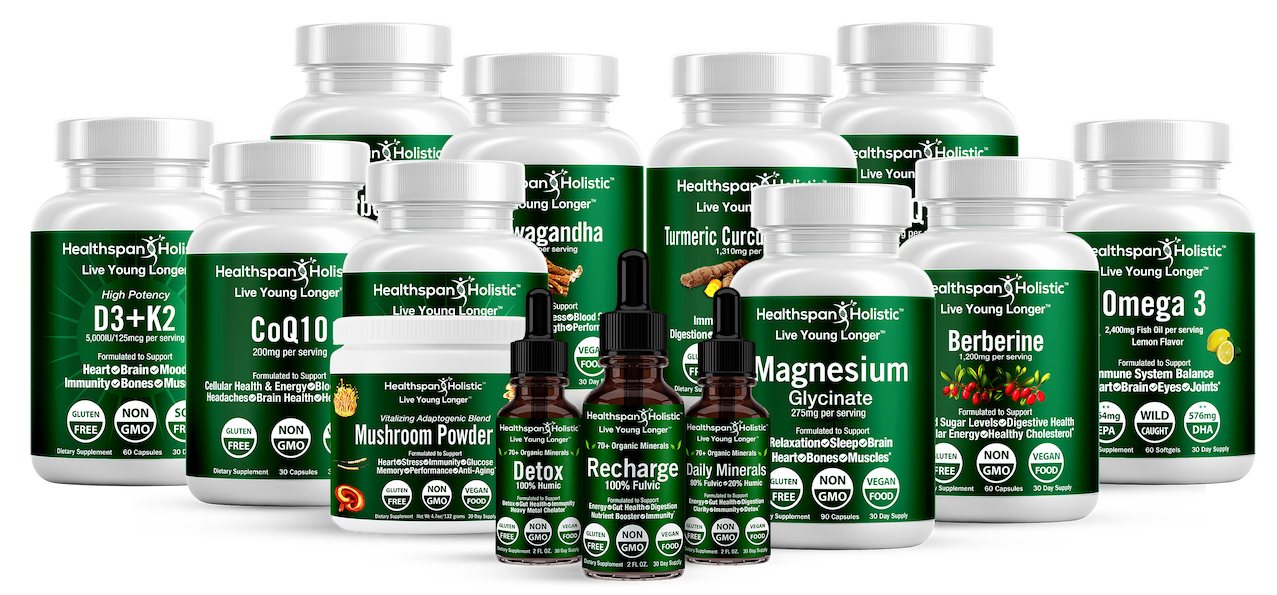
If you’d rather have someone map out the whole plan with you, the 90 Day Journey to Longevity program combines testing with personalized coaching, so your quercetin and zinc dosing is based on your actual bloodwork instead of a generic label range. And once you know your numbers, Healthspan Holistic’s curated supplement line, including ActivNutrients® 240 Capsules, gives you professional-grade options to build a plan around.
1st Time Customers can take advantage of our BUY 1 GET 1 50% OFF special offer on all supplements.
Start with the mineral test, see what your body actually needs, then build your supplement stack from there.
This article is general information, not a substitute for advice from a qualified doctor. Consult a qualified healthcare professional about your own circumstances before acting on anything here.
Sources
FAQ
What Is Quercetin With Zinc Good For?
The combination is most often used for general immune support and antioxidant activity, based on quercetin’s role as a zinc ionophore that helps zinc reach its active site inside cells. Preclinical data show it can reduce inflammatory cytokines under lab conditions, but large-scale human trials confirming specific illness outcomes are still limited.
What Are the Downsides of Taking Quercetin?
Quercetin can interact with certain antibiotics, antivirals, and steroidal medications by affecting liver metabolism enzymes, so anyone on prescription drugs should check with a provider first. Some people also experience mild headaches or stomach upset at higher doses.
What Time of Day Should You Take Quercetin and Zinc?
Taking both with a meal containing some dietary fat, commonly breakfast or lunch, supports better absorption and reduces stomach discomfort. Splitting the dose across two meals is a common approach for people using the higher end of the maintenance range.
Is It Better to Take Zinc With Quercetin?
Yes, pairing them makes biological sense because quercetin helps transport zinc into cells where it can support antiviral and antioxidant enzyme activity, rather than leaving zinc circulating without much effect. Choosing better-absorbed forms, like zinc glycinate paired with a quercetin phytosome, gets more benefit out of the same dose than plain zinc oxide and standard quercetin alone.
Dejar un comentario: